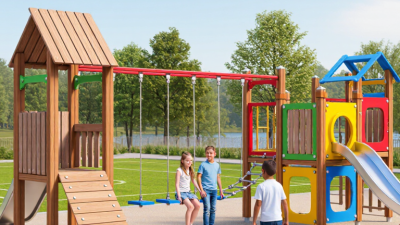
Why Choose an Outdoor Play Set for Kids?
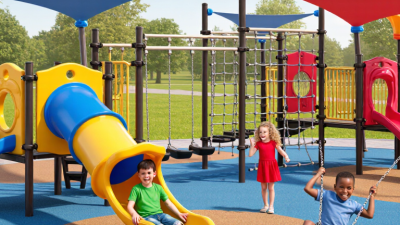
An outdoor play set can turn a plain backyard into a place for movement, imagination, and shared family time. Instead of sitting indoors with a screen, children can climb, swing, slide, balance, and create their own games. A wooden platform may become a pirate ship by afternoon. A simple climbing wall may challenge a child to try again after slipping safely onto soft ground.
The benefits are practical, but they depend on thoughtful use. Regular active play can support strength, coordination, confidence, and social skills. Children also learn to judge height, speed, distance, and personal limits. Adults should choose equipment that matches the child’s age and ability. They should check bolts, ropes, surfaces, and moving parts regularly. Safety guidance from pediatric health professionals and recognized playground organizations should guide installation and supervision.
An outdoor play set is not a magic solution. Some children may prefer quiet play, gardening, or riding a bicycle. Others may need encouragement before using a swing or climbing frame. Weather, available space, maintenance time, and household budget also matter. A well-chosen set should fit real family routines, not idealized ones. Parents can watch from nearby, offer calm guidance, and let children solve manageable problems independently. With secure installation and consistent checks, outdoor play becomes more than entertainment. It becomes a daily opportunity to move, explore, cooperate, and build confidence—though every family may experience those benefits differently.
What Is an Outdoor Play Set?
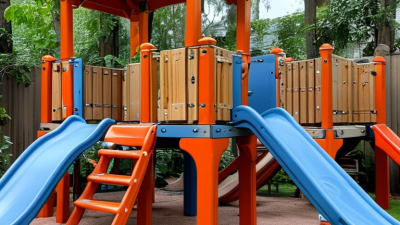
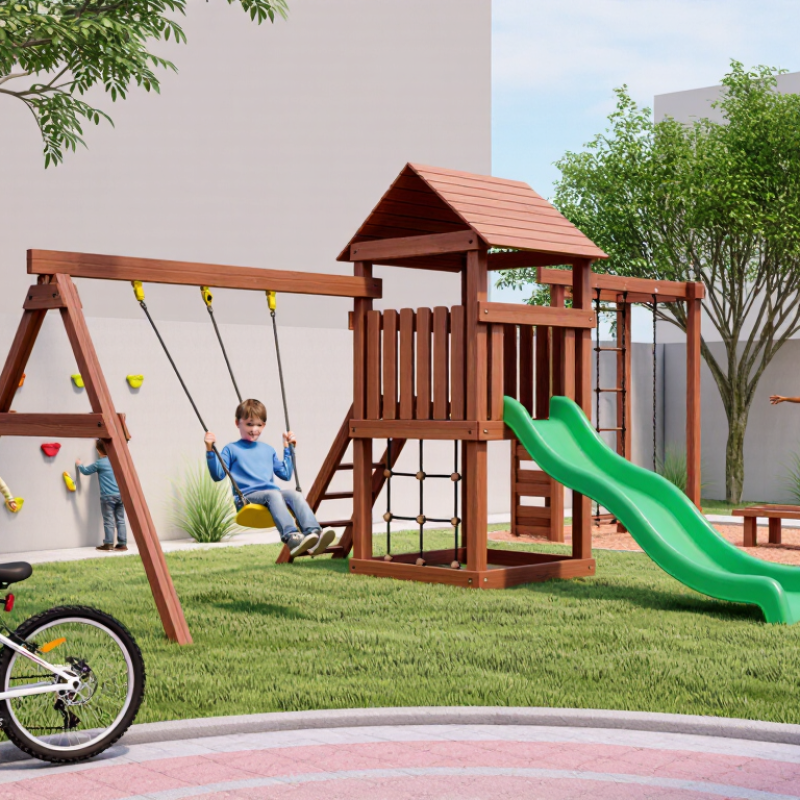
An outdoor play set is a planned collection of play structures placed outside for children. It may include a slide, swings, climbing wall, ladder, or small platform. Unlike a single toy, it creates several movement choices in one space. Children can climb, balance, hang, slide, and invent games around the same structure.
The term is not perfectly standardized. Some sets are compact for a patio, while others resemble small playgrounds. The key feature is active, self-directed play outdoors. The World Health Organization’s 2020 guidelines recommend at least 60 minutes of moderate-to-vigorous physical activity daily for children aged 5 to 17. A thoughtfully designed play set can support short bursts of movement, even when children lose interest quickly.
Safety matters more than impressive size. The U.S. Consumer Product Safety Commission identifies falls as the leading cause of playground-related injuries and recommends protective surfacing, secure anchoring, and regular inspections. Check bolts, ropes, platform edges, and ground coverage before each season. Children also need enough space to move without colliding.
That detail is easy to overlook.
The Outdoor Industry Association’s 2024 participation report recorded 175.8 million Americans taking part in outdoor recreation in 2023. This broad figure does not measure play-set use, but it reflects sustained interest in outdoor activity. A play set should fit the child, yard, supervision level, and local climate. Bigger is not always better.
How Outdoor Play Sets Encourage Social and Creative Play
Why Choose an Outdoor Play Set for Kids?
Outdoor play sets can turn an ordinary yard into a shared social space. Children climb, swing, negotiate turns, and invent rules together. A ladder becomes a mountain. A platform becomes a rescue station.
The World Health Organization’s 2020 guidelines recommend at least 60 minutes of moderate-to-vigorous activity daily for children aged 5–17. An outdoor play set supports this movement through repeated climbing, balancing, running, and jumping. These actions also create natural conversation. “Your turn next.” “Hold the rope.” Small exchanges can build cooperation and confidence.
Creative play grows when equipment does not control every outcome. A child may use the same slide as a shop counter, rocket ramp, or castle wall. The American Academy of Pediatrics identifies play as important for language, executive function, and social development. However, equipment alone is not enough. Adults may need to model sharing, watch for exclusion, and leave room for children’s own ideas. Too much supervision can quietly reduce independence. Too little can allow one confident child to dominate.
A play set is not a magic solution. Some children need ramps, lower platforms, or sensory-friendly spaces. Others may prefer loose materials, such as cardboard tubes and fabric flags. Thoughtful design gives children safe challenges without forcing one style of play. The best moments may look unplanned: muddy shoes, uneven teams, and a new game nobody expected.
Why Choose an Outdoor Play Set for Kids?
Outdoor play sets give children space to move, cooperate, invent games, and practice problem-solving. The chart shows daily movement benchmarks from the World Health Organization that outdoor play can help support.
Children ages 3–4 should have at least 180 minutes of physical activity across the day, including 60 minutes of moderate-to-vigorous activity. Children ages 5–17 should average at least 60 minutes of moderate-to-vigorous physical activity daily. Outdoor play sets can encourage active movement while also creating opportunities for turn-taking, teamwork, imaginative games, and creative play.
Source: World Health Organization, Guidelines on Physical Activity, Sedentary Behaviour and Sleep for Children Under 5 Years of Age and Children and Adolescents 5–17 Years.
Key Safety Features of Outdoor Play Sets
Why Choose an Outdoor Play Set for Kids?
Key Safety Features of Outdoor Play Sets
An outdoor play set gives children room to climb, swing, balance, and test their coordination. The real value depends on safety details that are easy to overlook. A sturdy frame should sit on level ground and be anchored according to the instructions. Loose soil is not enough. Check every bolt, joint, and platform edge before children begin playing.
Look for high guardrails around raised platforms, secure swing connectors, and steps with slip-resistant surfaces. Openings should not trap a child’s head, fingers, or clothing. Smooth, rounded edges matter because hurried play often includes falls and sudden turns. A deep impact-absorbing surface, such as engineered wood fiber or another suitable material, can reduce injury severity. Hard concrete belongs elsewhere. Keep swings spaced apart, and position the set away from fences, branches, and other obstacles. Follow the stated age and weight guidance, even when a child seems physically ready.
From regular home inspections, I have learned that weather changes safety faster than expected. Sun can weaken plastic, while moisture may cause rust or slippery boards. Inspect the set before use, especially after storms or freezing temperatures. Adult supervision still matters, even when every feature appears secure. I once focused on the frame and missed worn surfacing beneath it. That mistake is worth remembering.
How to Choose the Right Outdoor Play Set for Kids
Why Choose an Outdoor Play Set for Kids?
How to Choose the Right Outdoor Play Set for Kids
Choosing an outdoor play set starts with the child, not the color or number of accessories. Check the recommended age, weight limits, and skill level. A toddler may need low steps, wide platforms, and short slides. Older children often need climbing challenges and stronger frames. Measure your yard carefully. Leave a clear fall zone around the equipment, away from fences, walls, and tree branches.
Look closely at construction details. Solid wood, coated metal, and durable plastic can all work when properly maintained. Check for rounded edges, secure bolts, non-slip steps, and openings that cannot trap a child’s head or limbs. The set should stand firmly on level ground and include suitable anchoring. Soft protective surfacing beneath high-use areas also matters. Grass may look safe, but it can become hard after dry weather.
I once underestimated how much space swings needed. The set fit, but the movement area felt cramped. That mistake changed how I measure outdoor equipment. Read the assembly instructions before buying, and confirm whether local safety guidance applies. Inspect the set regularly for rust, splinters, loose hardware, and fading plastic. Adult supervision remains important, especially during the first few weeks. Children may use equipment in ways adults never expect.