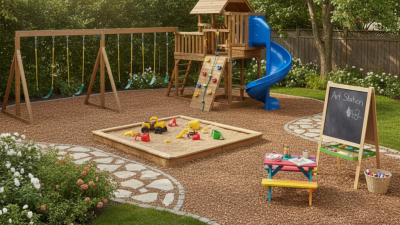
How to Choose Backyard Playground Sets in 2026?

Choosing backyard playground sets in 2026 requires more than comparing colors, prices, and slide designs. A safe play space should match your child’s age, height, confidence, and daily habits. It must also fit the yard without crowding fences, trees, pools, or outdoor furniture. Measure the installation area carefully. Leave a generous fall zone around every climbing feature.

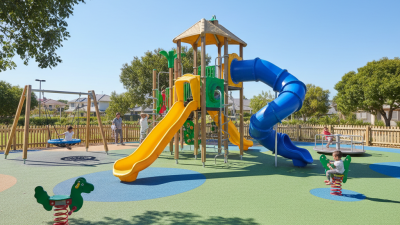
Dr. Donna Thompson, a recognized playground safety expert and former executive director of the National Program for Playground Safety, has emphasized, “Active supervision is the first line of defense.” That advice remains practical. A strong backyard playground sets decision includes clear sightlines from the kitchen, stable access points, and equipment adults can inspect easily. Look for rounded edges, enclosed platforms, secure handgrips, and shock-absorbing surfacing. Grass may look soft, but it usually offers limited protection after repeated use.

Materials matter, too. Pressure-treated wood can feel warm and natural, while coated metal may require less maintenance. Plastic components can resist rust, yet sunlight may weaken cheaper materials. Check the manufacturer’s weight limits, anchoring instructions, replacement-part policy, and relevant safety standards. Requirements differ by location, so verify local guidance before installation.

No checklist is perfect. I have seen attractive sets become unsafe when owners ignored loose bolts or poor drainage. A monthly inspection can catch small problems early. This guide will compare backyard playground sets by safety, durability, accessibility, maintenance, and long-term value. The best choice is not always the largest set. It is the one children can enjoy safely, while adults can supervise and maintain it without guesswork.
How to Choose Backyard Playground Sets in 2026?

Define Your Backyard Playground Needs and Available Space

How to Choose Backyard Playground Sets in 2026?

Define Your Backyard Playground Needs and Available Space

Choosing a backyard playground begins with your family’s real routines, not a colorful product photo. Watch how your children play for several days. Do they climb, swing, slide, or create pretend games? A toddler needs low platforms and easy-grip rails. Older children may need climbing walls, taller slides, or room for active movement. Consider how many children will play together, including visiting friends. I once underestimated this point, and crowded play quickly became frustrating.

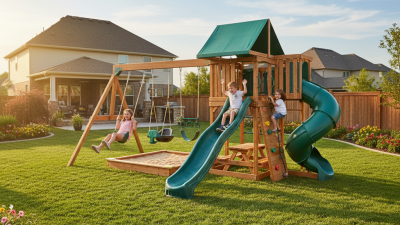
Measure the usable yard carefully. Mark trees, fences, garden beds, pools, and uneven ground. Leave generous clearance around swings and slides, following the manufacturer’s installation guidance. Check the ground surface, drainage, shade, and visibility from your home. A set that fits on paper may feel cramped beside a patio. Children also need space to walk around it safely. Do not forget future growth. A small setup can become limiting within a year.

Tips: Draw the playground area with chalk or string before buying. Let children test the space with simple games. Observe where adults stand and where younger children wander. Choose durable materials, rounded edges, secure fasteners, and age-appropriate equipment. Inspect connections regularly, even when everything looks fine. My own planning missed afternoon heat once, so shade deserves more attention than I first expected. Consider maintenance time too, because loose soil, fading surfaces, and weather can change the play area.

How to Choose Backyard Playground Sets in 2026?

Define your backyard playground needs and available space before selecting equipment.

The chart compares practical planning footprints in square feet. Each estimate includes a typical equipment footprint plus a six-foot safety buffer around the play area. Swing sets may require additional front-and-back clearance based on swing height, so always confirm the final layout with the installation instructions and local safety requirements.

Compare Playground Materials, Designs, and Age-Appropriate Features

How to Choose Backyard Playground Sets in 2026?

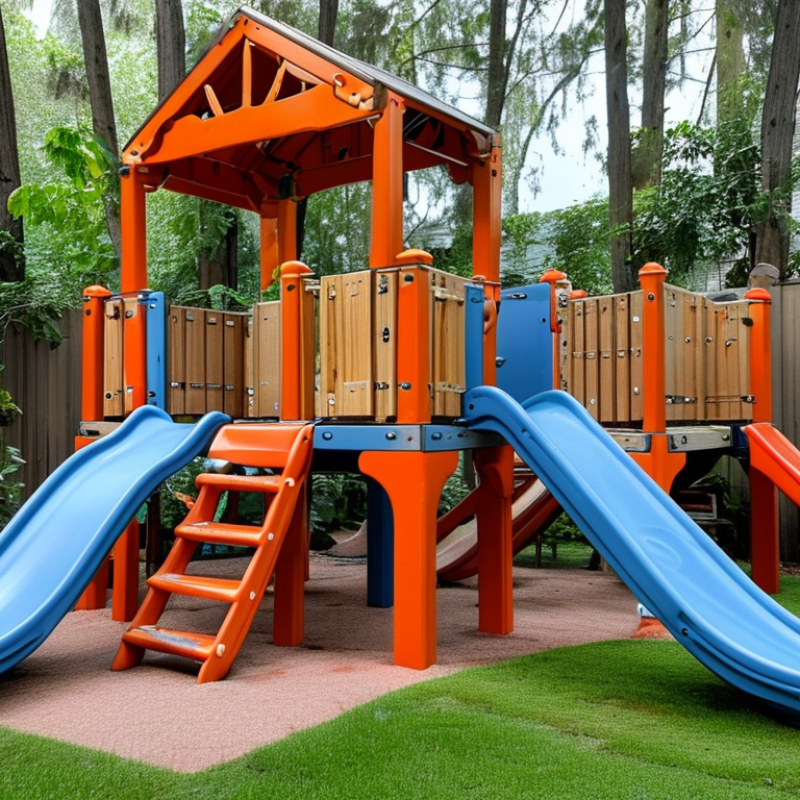
Choosing a backyard playground in 2026 means matching materials, layout, and features to real family use. Wood feels warm and blends with gardens, but it needs regular checks for cracks, rot, splinters, and loose fasteners. Powder-coated metal is strong and slim, yet it can become hot under direct summer sun. Plastic or composite parts resist moisture and reduce splinter concerns, although cheaper surfaces may fade or weaken.

My first comparison missed shade.

Design should leave clear movement zones around swings, slides, and climbing walls. The U.S. Consumer Product Safety Commission’s Public Playground Safety Handbook reports over 200,000 annual emergency visits involving playground injuries. It attributes about 79 percent of injuries to falls.

These figures concern public equipment, but they expose a useful home-design question: what happens beneath the fall zone? Choose impact-attenuating surfacing, not bare soil or concrete.

ASTM F1148 provides a technical benchmark for residential equipment. Check anchoring, guardrails, entrapment gaps, and platform height carefully.

Age fit matters more than a long feature list. WHO’s 2022 Global Status Report on Physical Activity reports that 81 percent of adolescents lack sufficient physical activity. Active, varied designs can help.

For toddlers, select low platforms, enclosed steps, short slides, and small bucket swings.

Children aged five to twelve may need climbing walls, overhead grips, and challenging but reachable slides.

Accessibility also matters. Wider paths and transfer-friendly platforms support more children.

I still question “grows with the child” claims. A tall climber may last longer, but it can be wrong today. Measure twice.

Evaluate Safety Standards, Accessibility, and Installation Requirements

How to Choose Backyard Playground Sets in 2026?

Safety should guide every playground decision, not just the price or appearance. Check whether the set meets current local safety standards and includes clear age and weight guidance. Look for guarded platforms, secure handrails, rounded edges, and openings that cannot trap a child’s head. The fall zone needs impact-absorbing surfacing, such as engineered wood fiber or approved rubber tiles. Grass may look soft, but it offers limited protection after rain or repeated use. Inspect bolts and connectors closely. Small gaps can become serious hazards.

Accessibility deserves equal attention. Measure the route from the house to the play area before buying equipment. A firm, stable path helps children using mobility devices reach the playground. Consider transfer platforms, wide entrances, low climbing features, and ground-level activities. These details support children with different abilities without separating them from other users. Ask whether the design remains practical as children grow. A feature that seems accessible today may feel restrictive next year.

Installation requirements can change the entire project. Confirm the required clearance, anchoring method, soil conditions, drainage needs, and available tools. Sloped ground may require leveling before assembly. Some yards also contain irrigation lines or tree roots. Check them first. Follow the instructions carefully, and arrange a second adult for heavy sections. I would not assume a complete installation is safe after one inspection. Recheck fasteners, surfacing depth, and anchor stability after several weeks of use. Even careful planning can miss a detail.

Check Durability, Maintenance Needs, and Weather Resistance

How to Choose Backyard Playground Sets in 2026?

Check Durability, Maintenance Needs, and Weather Resistance

A durable playground should handle daily movement, wet shoes, and strong sunlight. Check the frame joints, bolts, ladders, and swing connections before choosing a set. Powder-coated metal can resist rust, while sealed timber needs fewer exposed cracks. Look for smooth edges and secure fasteners. They matter more than decorative features.

Weather resistance depends on your local climate. In rainy areas, choose materials with sealed surfaces and good drainage. Avoid platforms that trap water after a storm. UV-resistant plastic helps prevent fading and brittleness during hot summers. In windy regions, confirm that the anchoring system suits your soil. Loose sand may need deeper support.

Maintenance should be realistic for your schedule. Inspect the structure monthly for loose bolts, splinters, rust spots, and damaged ropes. Clean mud from climbing surfaces before it becomes slippery. Reapply protective wood treatment when the surface looks dry or absorbs water quickly. I once ignored a small rust mark near a swing bracket. It spread faster than expected.

Do not rely only on product descriptions. Ask for tested weight limits, installation guidance, replacement-part availability, and warranty terms. A playground may look sturdy but still require frequent tightening. That can become frustrating. Leave clear space around the set, and check the ground after heavy rain or freezing weather. Safety surfacing also needs regular leveling because impact protection can shift over time.

How to Choose Backyard Playground Sets in 2026? - Check Durability, Maintenance Needs, and Weather Resistance

Playground Set Type Typical Main Material Expected Service Life* Weather Resistance Routine Maintenance Common Weather-Related Risks Key Inspection Points Best Selection Criteria
Pressure-Treated Wood Structural timber treated for outdoor use 10–20 years with proper care Good when sealed and installed with adequate drainage; vulnerable to prolonged moisture if untreated or poorly maintained Inspect every season; clean annually; reseal or repaint approximately every 2–3 years, depending on climate and finish condition Rot, mildew, cracking, splintering, and moisture absorption Check for soft wood, exposed fasteners, loose joints, splinters, standing water, and damaged protective coating Choose sealed lumber, rounded edges, corrosion-resistant hardware, and good clearance from wet or poorly drained ground
Cedar or Naturally Durable Wood Naturally decay-resistant outdoor wood 10–20 years, varying with species, design, and climate Good natural resistance to decay; still requires protection from constant moisture and intense sunlight Wash as needed; inspect every season; apply a suitable exterior stain or sealer approximately every 2–3 years if color and moisture protection are desired Surface weathering, fading, checking, mildew, and gradual joint loosening Look for cracks, splinters, discoloration, loose bolts, worn ropes, and water collecting near posts Suitable for buyers who want a natural appearance and are willing to perform regular surface care
Powder-Coated Steel Steel tubing with a baked-on protective coating 10–15 years or longer when coating and joints remain intact Very good in normal outdoor conditions; corrosion risk increases where the coating is chipped or exposed to salt air Wash periodically; inspect coating and hardware every season; touch up chips promptly with compatible exterior paint Rust at scratches, welds, drainage holes, and fasteners; hot surfaces in direct summer sun Check for bubbling paint, rust, sharp edges, bent tubing, loose bolts, and unstable anchoring Prioritize thick tubing, complete coating coverage, capped ends, stainless or galvanized hardware, and secure ground anchors
Aluminum Lightweight aluminum frame, often painted or anodized 10–20 years with sound construction and regular inspection Very good resistance to rust; coatings can still fade, scratch, or corrode in salty environments Rinse in dusty or coastal areas; inspect joints, coating, and anchors every season; lubricate moving parts when required Galvanic corrosion around incompatible metals, surface oxidation, fading, and wind movement if insufficiently anchored Check for loose connections, coating damage, metal-to-metal contact, bent parts, and anchor movement A practical option for humid or rainy climates when the frame is well anchored and compatible hardware is used
High-Density Plastic Components UV-stabilized polyethylene or similar outdoor-grade plastic 5–15 years, depending on UV exposure and material thickness Good moisture resistance; long-term ultraviolet exposure can cause fading, brittleness, or surface cracking Clean with mild soap and water; inspect every season; replace cracked, brittle, or deformed parts UV degradation, heat distortion, cracking in cold weather, and slippery surfaces when wet Check slides, panels, seats, and handholds for cracks, sharp edges, fading, deformation, and loose mounting points Select UV-stabilized, thick-walled components with smooth edges and drainage openings where water may collect
Rope and Fabric Accessories Synthetic rope, woven fabric, rubber, or coated webbing Approximately 3–8 years, depending on use, sunlight, and moisture Moderate to good when UV-treated; wet, salty, or constantly shaded conditions can accelerate wear Inspect monthly during frequent use; clean and dry fabric; replace at the first sign of fraying, cuts, or weakened stitching Fraying, mildew, UV brittleness, stretched fibers, rusted connectors, and water retention Examine fibers, stitching, knots, clamps, swing seats, connector points, and attachment hardware Choose UV-rated materials, drainage-friendly designs, secure connectors, and accessories that can be replaced separately
Protective Surface and Fall Area Engineered wood fiber, rubber surfacing, sand, or grass-covered soil Varies; surfacing usually needs periodic replenishment or replacement Depends on drainage and material; rubber can become hot in direct sun, while loose-fill materials can shift after rain Level and rake loose-fill areas regularly; remove debris; refill displaced material; maintain drainage Erosion, puddling, compacted fill, exposed roots, displaced material, and reduced impact absorption Check depth, coverage, drainage, trip hazards, hard objects, and the required fall zone around equipment Select a surface appropriate for the equipment height, local climate, drainage conditions, and level of ongoing maintenance

*Service-life figures are typical planning ranges for residential outdoor equipment, not guarantees. Actual durability depends on material quality, construction, installation, climate, sunlight, drainage, usage, and maintenance. Always follow the manufacturer’s instructions and inspect the playground before use.

Set a Budget and Select the Best Playground Set for 2026

Choosing a backyard playground set in 2026 begins with an honest budget. Include delivery, ground preparation, installation, and future maintenance costs. A set priced at $900 may require another $300 for safe surfacing and assembly. Measure the yard carefully, leaving open space around swings and slides. I once underestimated swing clearance, and the layout felt cramped after installation. That mistake changed how I compare playground sizes.

Set a practical spending limit before browsing. Prioritize sturdy construction, rounded edges, secure hardware, and age-appropriate features. Check weight limits, warranty details, replacement-part access, and current safety guidance from reliable authorities. Weather-resistant materials matter, especially in areas with strong sun, rain, or freezing temperatures. A cheaper set is not always economical if boards split or bolts loosen quickly.

Tips: Keep 10 to 12 feet of clear space around moving equipment. Choose shock-absorbing surfacing, not bare soil or concrete. Inspect bolts, ropes, and anchors each month. Ask whether adults can comfortably supervise from a nearby window or seating area. Also, consider your child’s real interests, not the largest feature list. A climbing wall may look exciting, but a young child might use the small slide every day. Recheck your plan before buying. My first choice would probably change after watching the children play for one afternoon.