What Is Rainbow Play Systems and How Much Do They Cost?

Rainbow Play Systems occupies a distinctive place in the residential playground market, combining wooden forts, swings, climbing walls, slides, and customizable accessories. This guide examines what Rainbow Play Systems offers and how much families may realistically spend. Prices vary widely. A compact cedar playset may cost roughly $2,000 to $5,000, while larger configurations can exceed $10,000 before delivery, assembly, landscaping, or safety surfacing.

Industry evidence makes the buying decision more serious than a catalog comparison. The U.S. Consumer Product Safety Commission reports that more than 200,000 children receive emergency treatment annually for playground-related injuries. Its Public Playground Safety Handbook identifies falls as a major injury source, although residential equipment has different testing and installation conditions. ASTM F1148 also provides a recognized safety framework for home playground equipment. Dr. Joe Frost, a respected playground researcher, described play as “the business of childhood.” That idea matters when evaluating climbing height, fall zones, railings, and age-appropriate design.

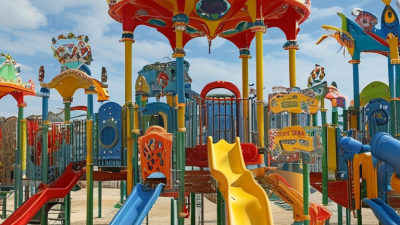
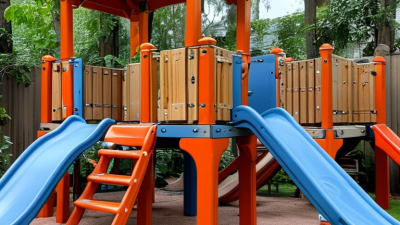
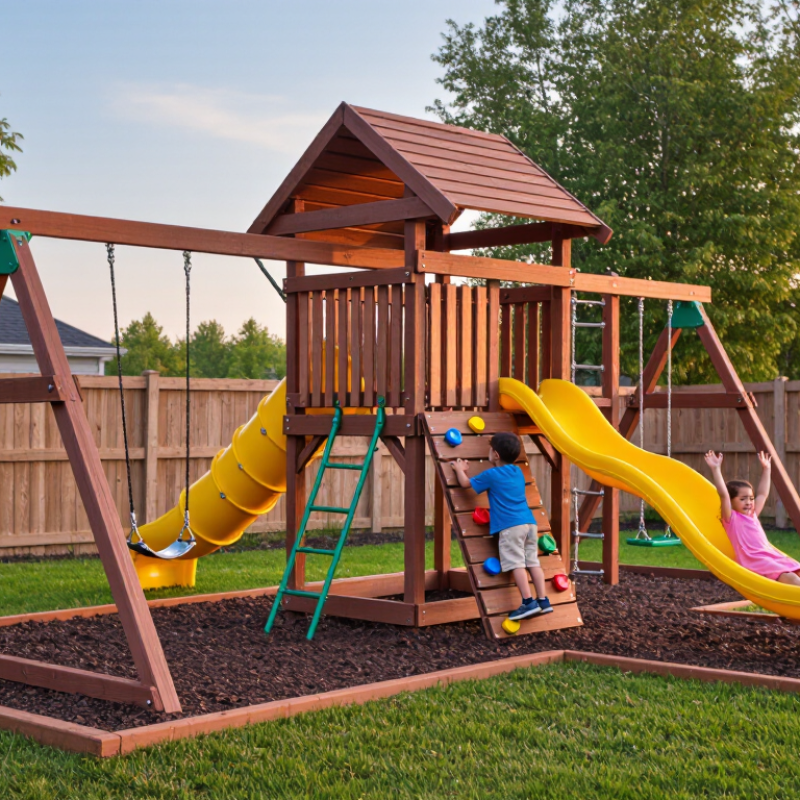
Rainbow’s appeal is easy to picture: stained wooden beams, a shaded fort, and children moving between a rope ladder and a wave slide. Still, premium appearance does not guarantee perfect value. Installation quality, soil conditions, maintenance, and replacement parts can change the total cost substantially. Grand View Research’s playground equipment market analysis shows continued demand for residential and commercial play structures, but market growth alone cannot prove that every system suits every yard. This article considers pricing, features, safety questions, and ownership costs with practical caution. Some estimates remain imperfect, because dealer quotes and regional charges differ.
What Is Rainbow Play Systems and How Much Do They Cost?

What Are Rainbow Play Systems?

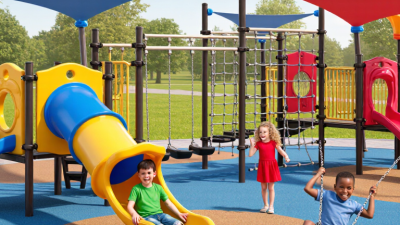
Rainbow play systems are outdoor play structures designed for active family use. They usually combine a raised deck, climbing wall, swings, slides, ladders, and small play areas. Many use treated wood, rounded edges, and modular parts. The rainbow shape may describe the colorful design, curved features, or overall visual style. It does not always identify one exact product.

A well-designed system should match the children’s ages, available yard space, and ground conditions. Measure the structure and its safety zone before ordering. Soft surfaces, secure anchors, and strong handrails matter more than decorative details.

Check the hardware regularly. Bolts can loosen, wood can split, and slides may become brittle after years of sunlight. A practical inspection should include every connection, platform, and swing attachment.

Prices vary widely. Smaller sets may cost several hundred dollars, while larger wooden systems can exceed several thousand. Installation, delivery, surfacing, and future repairs may add substantial expense. I would not judge value by size alone. A tall tower looks impressive, but a simpler layout may suit younger children better. Product descriptions can also sound reassuring without explaining maintenance clearly. That deserves closer questioning. Families should request weight limits, material details, warranty terms, and replacement-part availability before purchasing.

What Features and Materials Do Rainbow Play Systems Include?

Rainbow play systems are outdoor structures designed for climbing, swinging, sliding, and imaginative play. Their features may include raised forts, rope ladders, climbing walls, monkey bars, swings, slides, and small playhouses. Some models also offer sandboxes, picnic tables, steering wheels, or shaded canopies.

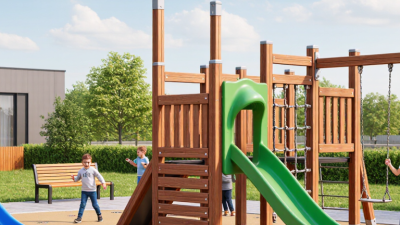
Material choice strongly affects durability and cost. Many frames use cedar, redwood, or pressure-treated lumber. Cedar resists insects naturally and feels smooth, but it still needs regular sealing. Treated wood can last longer in wet conditions, although some children dislike its rougher texture. Metal brackets are usually galvanized or powder-coated to resist rust. Slides often use molded plastic, while swings may combine flexible seats with coated chains.

I once underestimated the importance of anchoring. The structure looked stable until repeated movement exposed slight rocking. That mistake changed my inspection routine. I now check ground anchors, bolt tightness, drainage, and visible splinters before regular use. Small gaps deserve attention. They can catch clothing or fingers. The safest design is not always the largest one; age-appropriate heights and reachable handholds matter more. Buyers should confirm the installation guide, weight limits, fall-zone requirements, and applicable local playground standards. Materials can weather unevenly, so shaded wood may look new while exposed surfaces fade quickly. Regular checks are essential, even when the system appears well built.

What Are Rainbow-Style Play Systems and How Much Do They Cost?

Residential wooden play systems commonly combine climbing, sliding, swinging, and imaginative-play features. The estimated U.S. retail price ranges below reflect typical market pricing for comparable residential playsets and exclude delivery, installation, site preparation, taxes, and safety surfacing.

Common Materials

Typical systems use pressure-treated or naturally rot-resistant wood, galvanized or powder-coated metal hardware, molded plastic slides, and weather-resistant rope or swing components.

Typical Features

Entry-level designs often include a platform, ladder, slide, and two swings. Larger systems may add climbing walls, monkey bars, multiple slides, forts, bridges, or shaded play areas.

What Changes the Price?

Price is mainly affected by the structure’s size, wood treatment, number of activities, hardware quality, accessories, delivery, professional assembly, and required safety surfacing.

Approximate U.S. retail ranges for comparable residential wooden play systems; actual prices vary by configuration, region, installation, and seasonal availability.

How Are Rainbow Play Systems Designed and Installed?

Residential play systems are designed around age, movement, and available space. A good layout separates active zones from quieter areas. Slides, swings, climbing walls, and platforms need clear movement paths. The design should also preserve generous fall zones around each structure.

Installation begins with a careful site assessment. Professionals check the slope, soil condition, drainage, and nearby obstacles. Level ground is helpful, but it is not always available. In that case, installers may adjust the foundation rather than force the structure into place. Anchors are secured below the surface, and every connection is tightened according to the manufacturer’s specifications. The surface underneath matters greatly. Engineered wood fiber, rubber tiles, or deep-fill mulch can reduce injury risk when installed correctly.

Details are easy to miss.

A reliable installer measures the swing arc twice and checks platform height before final anchoring. Gates, fences, tree branches, and hard landscaping should remain outside impact areas. After installation, the structure needs a practical inspection. Loose bolts, splintered wood, rust, and standing water can develop over time. Parents should receive maintenance instructions, not just a finished playground.

Costs vary with size, materials, ground preparation, and installation complexity. A smaller system may require minimal site work, while a larger design can involve excavation and specialized surfacing. One planning mistake is focusing on equipment price alone. Delivery, drainage, safety surfacing, and future repairs can change the real budget. A written installation estimate makes those hidden expenses easier to review.

What Factors Affect Rainbow Play System Prices?

A residential wooden play system is more than a swing set. Its price depends on design, materials, size, and installation needs. A compact structure with two swings may cost far less than a large system with slides, climbing walls, and elevated platforms. Cedar, treated timber, and composite materials also create different price levels. Thicker posts usually improve stability, but they add weight and expense.

Site conditions can change the estimate quickly. Uneven ground may require grading, drainage work, or deeper support posts. Delivery distance affects transport charges, especially for oversized components. Professional assembly may cost several hundred dollars, while complex custom layouts can cost considerably more. Safety surfacing is another important expense. Rubber tiles, engineered wood fiber, and sand have different installation and maintenance requirements. Local labor rates also matter. Online prices can look attractive, but they may exclude delivery, anchoring, or assembly.

Tips: Request an itemized quote. Check the warranty terms. Ask who handles site preparation. Measure your yard before choosing a layout. Keep extra space around swings and slides. Compare complete installed prices, not product prices alone. A cheaper system may need more upkeep later. That trade-off is easy to miss. Also, estimates are not always precise, because soil conditions and access can change after inspection. Allow a modest contingency instead of planning around the lowest figure.

How Can Buyers Choose the Right Rainbow Play System?

Choosing the right residential play system starts with the yard, not the catalog.

Measure the usable area, then add a safety buffer around swings, slides, and climbing walls. The U.S. Consumer Product Safety Commission reports more than 200,000 playground-related emergency visits each year. That figure makes impact-absorbing surfacing a practical requirement, not decoration.

More than 200,000 playground-related emergency visits each year. That figure makes impact-absorbing surfacing a practical requirement, not decoration.

Check the equipment’s age range, weight limits, platform height, and maintenance needs. The ASTM F1148 standard covers home playground equipment, while ASTM F1292 addresses impact performance for playground surfacing. Look for clear test documentation and independent certification.

Ask whether hardware is corrosion-resistant, edges are rounded, and openings avoid head entrapment risks. I would also inspect drainage after heavy rain. Online photographs rarely show standing water.

Costs vary widely.

Recent U.S. home-improvement cost guides commonly place residential play systems near $800 to $5,000, before premium installation or extensive ground preparation. Smaller systems may fit a compact yard, while larger structures need deeper surfacing and stronger anchoring. Installation can add several hundred dollars, especially on sloped ground.

Make a two-year budget for inspections, replacement swings, tightening bolts, and resurfacing.

A cheaper purchase can become expensive when the soil shifts or the children outgrow the design.

One detail is easy to miss: choose equipment for the children’s next stage, but not so advanced that younger users cannot play safely today.