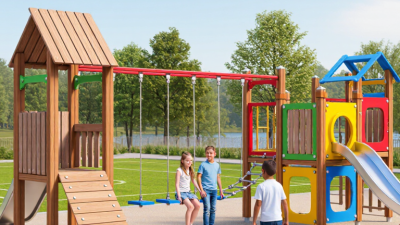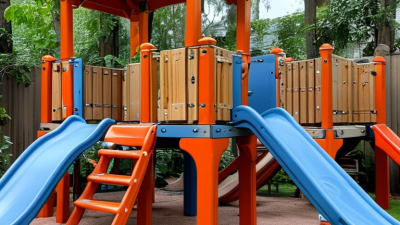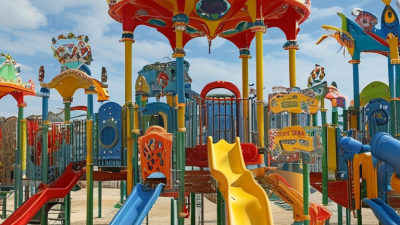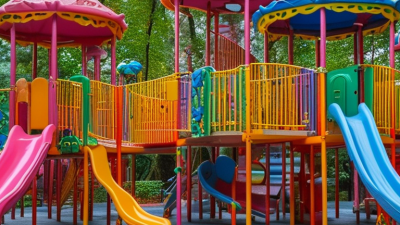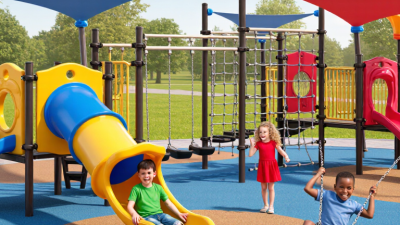
Choosing the right outside play sets in 2026 requires more than comparing bright colors and low prices. Global buyers must consider safety, weather resistance, installation support, and long-term value. A wooden climbing frame may look attractive in a catalog, yet it can require regular sealing in wet climates. Steel models may offer strength, but exposed metal can become dangerously hot under strong sunlight.
This guide reviews 10 best outside play sets for international families, schools, hospitality businesses, and residential developers. Each option is examined through practical details, including platform height, swing capacity, protective coatings, drainage, anchoring, and replacement-part availability. We also consider packaging quality and assembly instructions, because overseas delivery can create unexpected problems. A missing bolt can delay an entire installation.
Safety matters most.
Reliable manufacturers should provide clear age guidance, load limits, material information, and tested design documentation. Buyers should verify whether certificates apply to the complete product or only selected components. Local installation rules may also differ, so professional inspection remains sensible, especially for commercial playgrounds.
Our selection reflects common buyer priorities across different climates and budgets. It is not a perfect ranking. Product availability, shipping costs, and regional standards can change quickly. Some sets may perform differently after years of intense sun, snow, salt air, or daily use. That uncertainty deserves honest attention.
The best choice is not always the largest set. It is the one that fits the children, space, climate, maintenance ability, and supplier support available. With careful comparison, buyers can create an active outdoor area that feels exciting, secure, and built to last.
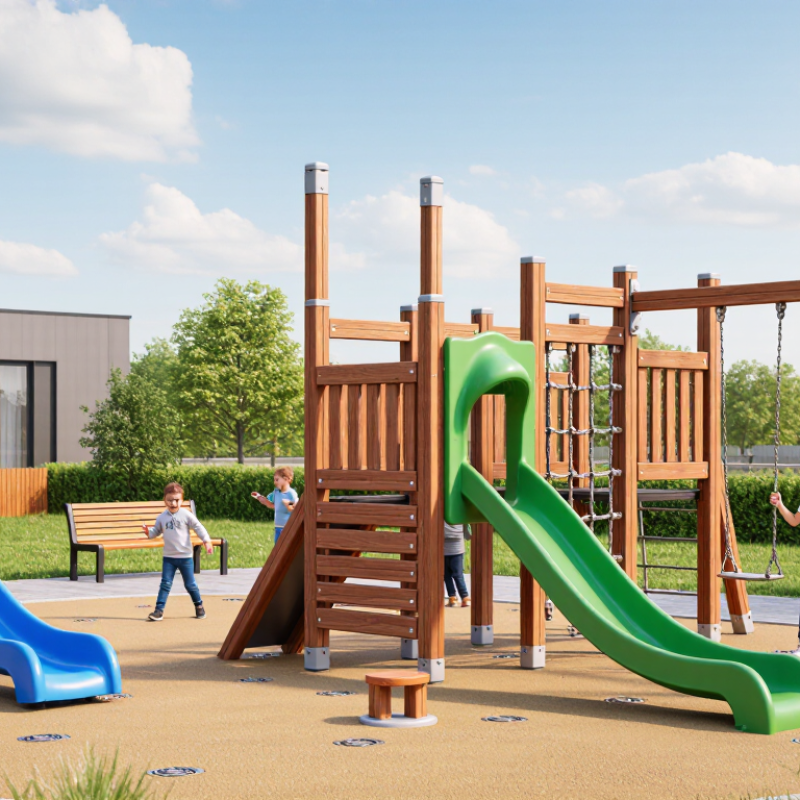
In 2026, an outdoor play set is more than a slide, swing, and climbing frame. It is a small play environment designed for movement, imagination, and social learning. A well-defined set may combine climbing walls, balance beams, shaded platforms, slides, sensory panels, and role-play spaces. Each element should offer a clear challenge without creating unnecessary risk.
For global buyers, practical design matters as much as appearance. Materials must suit local weather, including intense sun, heavy rain, snow, or coastal air. Rounded edges, secure fasteners, stable foundations, and impact-absorbing surfaces require careful inspection.
Buyers should request installation drawings, maintenance schedules, age guidance, and testing documents linked to relevant local standards. Accessibility also deserves attention. Ground-level activities, varied handholds, and inclusive entry points can support children with different abilities.
From site evaluations, I have found that the most attractive equipment is not always the most useful. A tall structure may look impressive but offer limited play value in a small schoolyard. One weakness remains common: product descriptions often promise durability without explaining replacement parts or inspection intervals. That gap needs questioning. Buyers should examine drainage, cleaning access, spare-component availability, and the installer’s experience. Digital features may add interest, but they should not replace physical play or create fragile maintenance demands. Good design still leaves room for messy games, quiet discovery, and children changing the rules.
When comparing the 10 best outside play sets for global buyers in 2026, safety should lead the checklist. The U.S. Consumer Product Safety Commission estimates that playground equipment causes about 200,000 emergency department visits among children each year. Look for rounded edges, enclosed platforms, stable handrails, and impact-absorbing surfacing. Standards such as ASTM F1148 and EN 1176 provide useful benchmarks, but certification wording can vary by market. Read the test scope carefully.
Material performance matters in real weather. Powder-coated steel resists corrosion, while treated timber needs regular inspection for cracks, splinters, and moisture damage. High-density plastic can simplify cleaning, but intense sunlight may cause fading or brittleness. The World Health Organization identifies falls as a major source of childhood injury, so platform height, guardrail spacing, and slide exit clearance deserve close comparison. Small measurements matter.
Installation details are often overlooked. Check packed dimensions, anchor requirements, soil conditions, replacement-part access, and the number of adults needed for assembly. A 2024 European Commission safety report highlighted recurring product risks linked to inadequate instructions and missing warnings across consumer goods. That lesson applies here. Manufacturers should provide multilingual manuals and clear age, weight, and occupancy limits. I would also compare drainage design and inspection schedules. Some attractive sets age poorly. The most honest evaluation includes maintenance time, not only photographs.
| Rank | Play Set Configuration | Approx. Footprint (L × W × H) |
Platform Height | Recommended Age | Simultaneous Users | Primary Materials | Key Features to Compare | Typical Price Range (USD) |
Assembly Time |
|---|---|---|---|---|---|---|---|---|---|
| 1 | Compact Tower with Slide and Swing | 3.6 × 3.2 × 2.7 m | 1.2 m | 3–8 years | 5 | Pressure-treated or naturally durable timber; galvanized steel swing beam; molded plastic slide | Small footprint, enclosed upper deck, soft-grip swing seats, climbing ladder, ground anchoring | $700–$1,300 | 8–14 hours |
| 2 | Double-Swing Activity Set | 3.8 × 3.5 × 2.8 m | 1.2 m | 3–10 years | 6 | Coated steel frame; UV-resistant polymer seats; timber or composite climbing panel | Two-seat swing bay, trapeze bar, low climbing wall, weather-resistant frame coating | $600–$1,200 | 6–10 hours |
| 3 | Raised Fort with Tube Slide | 4.5 × 3.8 × 3.1 m | 1.5 m | 5–12 years | 7 | Engineered timber; molded rotational-plastic slide; powder-coated metal handrails | Higher enclosed fort, tube slide, lookout window, climbing ramp, wider fall zone | $1,200–$2,400 | 12–20 hours |
| 4 | Natural Timber Adventure Set | 4.2 × 3.6 × 2.9 m | 1.35 m | 4–10 years | 6 | Cedar or larch timber; stainless or galvanized fasteners; rope climbing elements | Low-chemical finish options, rope net, climbing wall, standard slide, replaceable components | $1,000–$2,000 | 12–18 hours |
| 5 | Metal Frame Multi-Play Station | 4.0 × 3.3 × 2.7 m | 1.2 m | 3–10 years | 6 | Galvanized steel tubing; powder coating; UV-stabilized plastic panels | Low-maintenance structure, corrosion-resistant coating, slide, climbing ladder, two swings | $900–$1,800 | 8–14 hours |
| 6 | Toddler-Friendly Low-Height Set | 2.8 × 2.5 × 2.1 m | 0.75 m | 2–5 years | 4 | Rounded polymer panels; treated timber or steel base; molded steps and slide | Low platform, short slide, wide steps, handrails, rounded edges, caregiver visibility | $400–$900 | 5–8 hours |
| 7 | Large Family Activity Center | 5.4 × 4.5 × 3.2 m | 1.5 m | 4–12 years | 10 | Engineered timber; powder-coated steel; UV-resistant plastic slide and climbing grips | Two platforms, dual slides, three-position swing beam, climbing wall, picnic table | $1,800–$3,500 | 18–28 hours |
| 8 | Climbing and Balance Challenge Set | 4.3 × 3.1 × 2.8 m | 1.2 m | 5–12 years | 6 | Timber or steel frame; textured climbing holds; coated rope and wood balance beam | Climbing net, monkey bars, balance beam, cargo rope, challenge-focused layout | $1,000–$2,200 | 12–20 hours |
| 9 | Inclusive Access Play Set | 5.0 × 4.2 × 2.9 m | 0.9 m | 3–10 years | 8 | Steel or composite frame; transfer platform; accessible ramp; impact-absorbing surfacing | Transfer deck, wide access ramp, sensory panels, accessible swing option, clear circulation space | $2,000–$4,500 | 20–35 hours |
| 10 | Modular Expandable Play System | 3.5 × 3.0 × 2.6 m Expandable to 5.5 × 4.5 m |
1.1 m | 3–10 years | 5–9 | Modular timber, steel, or recycled-plastic components; galvanized hardware | Add-on swings, slide choices, climbing accessories, replaceable panels, flexible shipping configuration | $800–$2,800 | 8–24 hours |
Evaluating outdoor play sets for global buyers starts with real use, not attractive product photos. I examine frame stability, platform height, guardrails, steps, slides, and fall zones. A set should feel steady when children climb, turn, and jump. I also check whether the ground anchors suit soil, concrete, or compacted gravel. Installation instructions must be clear. Missing details create avoidable risks.
Material performance matters across climates. Powder-coated metal can resist moisture, while treated timber needs regular inspection for cracks, splinters, and soft spots. Plastic components should remain firm after strong sunlight and temperature changes. I look for rounded edges, covered bolts, secure swing connections, and drainage points that prevent trapped water. Local safety requirements may differ, so buyers should verify applicable standards before purchase. Test reports help, but they do not replace careful assembly or supervision.
Practical ownership receives equal weight. I assess package size, assembly time, replacement-part access, cleaning needs, and maintenance costs. A low price can become expensive after missing hardware or early corrosion. Customer feedback is useful when it describes repeated use, not one delivery experience. No scoring system is perfect. I may overlook a small design weakness during a short inspection. That is why long-term reports, repair records, and independent testing deserve more trust than polished claims. Accessibility also matters, including reachable handholds and inclusive play features. Small details often decide whether children use the set confidently.
The evaluation framework gives the greatest weight to safety and structural quality, followed by weather resistance, age suitability, installation requirements, and long-term value. These criteria reflect the practical concerns global buyers should consider when comparing outdoor play sets.
The percentages represent editorial evaluation weights and are not company or brand performance scores. Total weighting: 100%.
Outdoor play sets should match a child’s development, not only the available garden space.
The World Health Organization recommends at least 60 minutes of moderate-to-vigorous activity daily for children aged 5–17. For toddlers and preschoolers, choose low platforms, short slides, handrails, and enclosed swing seats. These features support balance without creating unnecessary height or speed.
Children aged 5–8 often need varied challenges. Look for climbing walls, rope bridges, standard swings, and slides with visible landing zones.
Children aged 9–12 may prefer taller climbing structures, cargo nets, and more demanding balance routes.
Older users need stronger weight ratings and equipment that encourages repeated movement, not passive sitting.
The CPSC Public Playground Safety Handbook identifies falls as the leading playground hazard, so impact-absorbing surfacing deserves equal attention.
For global buyers, age categories must be checked against local standards, including relevant ASTM or EN requirements. The label “for ages 3–12” can be too broad.
A confident three-year-old and a cautious seven-year-old do not use equipment in the same way. I would also question tall structures marketed as “all-age” sets.
They may look impressive, yet supervision, fall height, climate, and installation quality can change the real risk.
Recent industry reports show continued demand for modular outdoor play equipment, but product quality still varies between markets. A careful buyer should verify materials, load limits, maintenance guidance, and replacement-part availability before ordering.
10 Best Outside Play Sets for Global Buyers in 2026
Safety begins before the play set arrives. The U.S. Consumer Product Safety Commission estimated 155,400 emergency-department-treated playground injuries in 2021. Falls were the main cause. This figure makes surfacing, spacing, and supervision practical priorities, not decorative details.
Choose equipment tested against recognized standards, such as ASTM F1487 or EN 1176. Requirements differ by country, so verify local rules before ordering. Ask for load ratings, material specifications, installation drawings, and impact-attenuation test results. A qualified installer should check anchoring, fall zones, drainage, and ground stability. On sloped sites, small measurement errors can create serious risks. I have found that installation manuals are sometimes too optimistic. Independent inspection is worth the extra cost.
Tips: Measure the delivery route first. Confirm door widths, truck access, foundation conditions, and local weather exposure. In coastal climates, inspect fasteners for corrosion more often. In cold regions, check freeze-thaw movement and cracked surfacing. Keep a maintenance log with dates, photographs, loose bolts, damaged ropes, and fading labels. The CPSC Public Playground Safety Handbook recommends routine inspection and protective surfacing maintenance. Replace worn components with compatible parts, not convenient substitutes. Also confirm spare-part availability, warranty coverage, language support, and import documentation before payment. A low purchase price can become expensive when replacement parts cross borders.