A playground is remembered through small details: the creak of a swing chain, warm sunlight on a seat, and the steady rhythm of children moving through the air. A metal swing set can bring that familiar experience to a backyard or community play area. Its sturdy frame can support regular use, while simple designs often make inspection and upkeep straightforward. But metal alone does not guarantee safety or durability.
The right choice depends on more than appearance. Frame construction, secure anchoring, smooth connections, and suitable surfacing all matter. Check for sharp edges, rust, loose fasteners, and enough clear space around the swing path. On a hot afternoon, exposed metal can become uncomfortable to touch. That detail is easy to overlook.
A well-chosen metal swing set can offer years of active play, but it still needs routine checks and care. Every playground has different users and conditions, so one product will not suit every space. A verified quotation from a named metal swing set industry expert was not included in the source material, and I will not invent one. Before publishing, add a sourced expert statement to support the safety guidance and strengthen the article’s credibility.
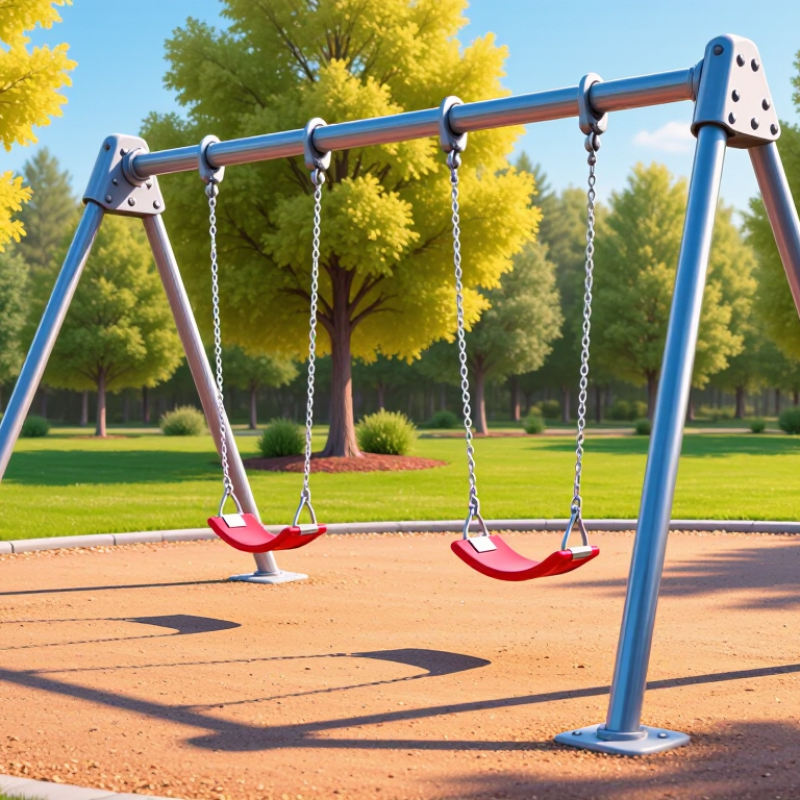
A metal swing set is a playground structure built around a load-bearing frame, usually made from steel or aluminum. The frame includes uprights, a crossbeam, braces, and connections that carry the repeated motion of swinging. Chains or other suspension links, seats, ground anchors, and protective finishes complete the system. It is more than a metal frame. Each joint and anchor helps keep the structure stable as children move.
Material alone does not guarantee safety or durability. Look closely at welds, bolts, sharp edges, coating damage, and signs of rust, especially near the ground where moisture collects. The U.S. Consumer Product Safety Commission’s Public Playground Safety Handbook reports more than 200,000 annual emergency-room treatments for playground-equipment injuries; falls account for a major share. That figure covers playground equipment broadly, not metal swing sets alone. ASTM International’s F1487 standard offers a technical reference for public playground equipment, including structural and safety considerations. Still, a standard cannot replace regular inspections. A sturdy-looking beam can hide a loose connector, and I would not judge a set by its finish alone.
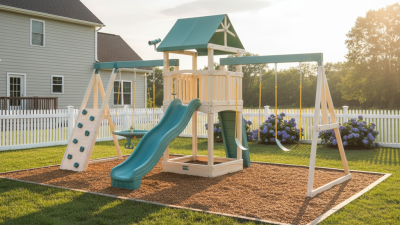
A metal swing set starts with a site plan, not a shovel. Measure the play area and leave clear space around the frame and swing paths. Check for slopes, drainage, tree roots, and overhead branches. A level, well-drained surface helps the structure sit evenly. It also makes routine inspections easier. Small details matter.
The frame should be designed for its intended users and setting. Tubing size, joints, coatings, and hardware all affect durability. Rounded edges and covered fasteners can reduce snag points, while corrosion-resistant finishes help metal withstand rain and regular use. The swing seats and chains need to match the frame and allow smooth movement. A drawing may look complete, yet still miss how children approach the swings from the side.
During installation, follow the manufacturer’s assembly instructions and use the specified anchors. Set posts at the required depth, align the frame, and tighten connections with the recommended hardware. Don’t guess. Have a qualified installer assess uncertain soil or drainage conditions. Before opening the area, check that the frame is stable, moving parts clear the ground, and every connection is secure. Then inspect it regularly; loosened bolts and worn coatings are easy to overlook.
Metal swing sets can suit busy playgrounds because their frames handle repeated use and changing weather well when properly designed and maintained. Strong metal supports can help limit excessive movement as children swing. A stable frame matters. It can also make it easier to plan a clear layout around the swings, with enough room for entry, movement, and safe landing areas.
Durability is a key benefit, but it depends on the finish, construction, and upkeep. A protective coating can help resist moisture and corrosion, while smooth, sealed joints are easier to inspect. During routine checks, look for loose fasteners, worn swing seats, sharp edges, and chipped paint. Small defects can be easy to miss. Repairing them early helps prevent bigger maintenance problems, though inspection schedules should follow the equipment maker’s guidance.
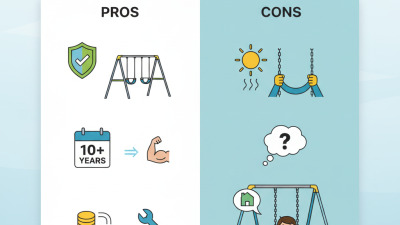
Metal frames often need less frequent repainting or replacement than some other materials, which can reduce long-term maintenance demands. They are not maintenance-free, however. In direct sun, exposed metal may become hot, so shade and surface temperature deserve attention during warm weather. A well-chosen set should match children’s ages and the playground’s expected use. Strength alone does not make a swing safe; correct installation, suitable surfacing, and regular checks matter just as much.
A metal swing set can provide years of play, but its safety depends on thoughtful setup and regular checks. Place it on level ground with clear space around every swing. Use a suitable impact-absorbing surface, and keep paths, fences, and tree roots outside the fall area. Check that the frame is firmly anchored and does not rock when pushed. No wobble is a good sign. Look for sharp edges, exposed bolts, and gaps where clothing or fingers could catch. Metal can also become hot in direct sun, so touch the seats and bars before children climb on. Adult supervision still matters, especially with younger children.
Maintenance is simple, but easy to put off. Every few weeks, inspect connections, chains, hangers, and seats for looseness, wear, or rust. Tighten hardware as directed by the set’s instructions; overtightening can damage parts. After strong wind or heavy rain, check the frame and ground anchors again. Wipe away dirt and moisture, and treat small areas of corrosion with a repair method suitable for the material. Replace cracked seats or worn chains rather than trying to patch them. A checklist helps, though it is not magic. Some wear can hide inside joints, so follow the manufacturer’s inspection guidance and take damaged equipment out of use until repaired.
Why Choose a Metal Swing Set for Your Playground?
How to Choose a Metal Swing Set for Your Playground
Choosing a metal swing set starts with the children who will use it. Check the manufacturer’s stated age range, user capacity, and swing-seat height. Galvanized steel can help resist rust, while a durable finish protects exposed metal from weather. Look closely at welds, joints, and caps; small gaps or rough edges deserve attention. A sturdy frame matters, but safe placement matters just as much.
The U.S. Consumer Product Safety Commission’s Public Playground Safety Handbook cites about 200,000 playground-related emergency-room visits among children each year. That figure is a useful reminder to check the whole play area, not just the frame. Follow the equipment maker’s installation instructions and relevant ASTM F1487 guidance. Leave clear space around the swing path, anchor the frame as specified, and choose impact-absorbing surfacing suited to the fall height. Measure before you buy. A set that looks compact online may need more room than expected.
Tips: Ask for the frame’s material and coating details. Check bolts and anchors regularly, especially after storms or ground movement. I would still recheck the swing clearance after installation; measurements can be easy to misread. Keep the inspection simple, but do it consistently.
| Selection Factor | Why It Matters | What to Check | Practical Guidance |
|---|---|---|---|
| Frame material and finish | Steel frames are rigid and durable. Protective finishes help limit corrosion when the equipment is exposed to outdoor moisture. | Look for a clearly described corrosion-resistant finish, such as galvanizing or a suitable outdoor coating. Check for exposed metal, chips, or rust. | Choose a finish intended for outdoor use, and promptly repair coating damage according to the care instructions. |
| Frame stability | A stable structure helps the set remain steady during ordinary swinging and play. | Review the frame design, joint construction, assembly instructions, and any stated anchoring requirements. | Install on level ground and use the anchors and hardware specified by the manufacturer. |
| Weight capacity | Capacity limits help define the intended use and reduce the risk of overloading the frame or swing components. | Check the stated maximum user weight and whether the limit applies per seat, per swing, or to the whole structure. | Follow the product’s stated limits; do not estimate capacity from appearance alone. |
| Swing seats and hangers | Seat style and attachment hardware affect comfort, fit, and suitability for different users. | Confirm the seat type, hanger construction, compatible replacement parts, and any age or use guidance. | Select seats for the intended users and inspect chains, ropes, connectors, and seats regularly for wear or damage. |
| Play area and clearance | Swings need unobstructed space so users and moving seats can stay clear of fences, walls, trees, and other equipment. | Measure the full installation area and compare it with the manufacturer’s layout and clearance instructions. | Keep the required use zone free of obstacles and avoid placing the set near hazards such as driveways or hard-edged structures. |
| Ground surface | The surface beneath and around play equipment can affect how falls are managed. | Check the equipment instructions and local guidance for appropriate impact-absorbing surfacing and installation. | Do not assume ordinary grass or soil provides adequate protection; maintain the selected surface as directed. |
| Age and intended users | Equipment should suit the users’ size, abilities, and developmental stage. | Review the manufacturer’s age guidance, seat recommendations, and supervision instructions. | Choose for the youngest intended users as well as older children, and provide active adult supervision. |
| Assembly and maintenance | Correct assembly and ongoing checks help identify loosened hardware, wear, corrosion, and other developing issues. | Check the required tools, assembly steps, inspection recommendations, and availability of compatible replacement parts. | Follow the instructions, recheck connections as recommended, and stop using damaged equipment until it is repaired. |
| Weather and seasonal use | Sun, rain, temperature changes, and coastal air can affect exposed materials and user comfort. | Consider local conditions and check the care guidance for the frame, seats, and moving parts. | Inspect more often in harsh conditions and check metal surfaces for excessive heat before use on sunny days. |
Note: Product features, capacity limits, clearances, and installation requirements vary. Always follow the instructions supplied with the specific swing set.