How to Build a Wooden Playground for Your Kids at Home?
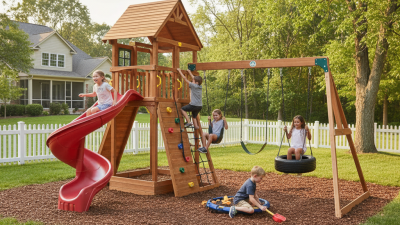
Building a wooden playground at home can be a rewarding experience for both children and parents. Renowned playground design expert, Mark Anderson, once said, "A well-constructed wooden playground not only enhances play but also sparks creativity." Creating a safe and engaging environment for your children is essential.
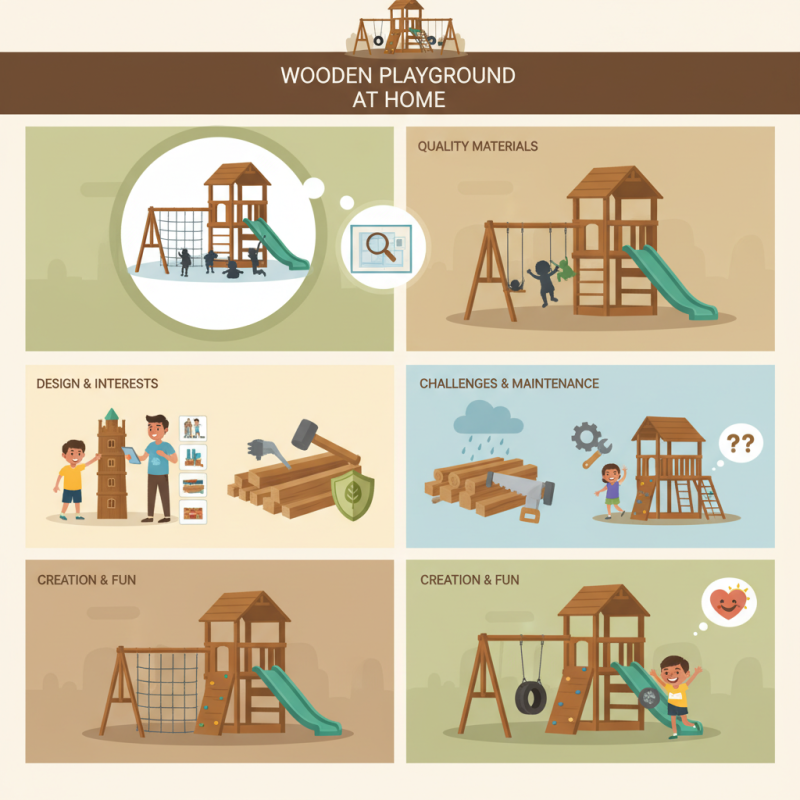
As you consider a wooden playground, think about your child's interests. Choose features that inspire exploration, like slides and climbing walls. Quality materials matter. Investing in durable wood ensures safety and longevity. Address potential challenges, such as weather damage. Regular maintenance is key to keeping the playground in good condition.
In the journey to build this structure, expect challenges. You might encounter design issues or material shortages. It’s important to remain flexible and patient. Each setback provides valuable learning opportunities. Ultimately, the goal is to create a fun space. Your kids will cherish this playground for years to come.
Selecting a Suitable Location for Your Wooden Playground
Selecting a suitable location for your wooden playground is crucial. The right site will enhance safety and enjoyment. Look for a flat area away from hazards like trees, rocks, or fences. This minimizes risks during playtime. Ensure the ground is soft, perhaps grass or sand, to cushion any falls.
Consider the proximity to your home. You want your kids to play without straying too far. A visible location allows you to keep an eye on them. Check local zoning laws too. Some areas have restrictions on structure sizes and placements. Make sure to comply with these rules.
Accessibility is another factor. The location should be easy to reach in all weather. Avoid spots that can become muddy. Shade is important on sunny days. A nearby tree can provide cover. However, keep an eye out for falling branches. Reflections on sun exposure and safety are essential for creating a fun, yet safe environment for your children.
Essential Materials Needed for Building a Wooden Playground
Building a wooden playground can be a rewarding project for parents. You need to choose the right materials for safety and durability. According to the American Society for Testing and Materials, wooden playgrounds should ideally use pressure-treated lumber. This adds strength and helps resist rot.
For essential materials, consider using cedar or redwood. These woods are naturally resistant to insects and decay. It’s advised that your main beams be at least 4x4 inches thick. Smaller pieces, like planks for swings or platforms, can be 2x4 inches. Additionally, have stainless steel screws on hand. They won’t rust, providing longevity.
Don’t forget about safety features. Soft landing materials, like wood chips or rubber mats, can greatly reduce injury risks. Research indicates that up to 77% of playground injuries can be prevented with proper surfacing. Take time to ensure everything is well-constructed. Check for splinters, sharp edges, or loose parts. Reflect on these aspects regularly to maintain a safe environment for your kids.
Step-by-Step Instructions for Constructing Playground Equipment
Building a wooden playground can provide a fun and safe environment for children. According to the American Society for Testing and Materials (ASTM), playground safety is crucial in preventing injuries. Properly constructed, wooden play structures significantly reduce the risk of falls. Many reports indicate that nearly 200,000 children are treated annually for playground-related injuries.
Start by selecting quality wood, such as cedar or redwood, which are naturally resistant to rot. Use thick beams and sturdy joints. Once you have the materials, begin with a solid foundation. This part is vital. Uneven ground can lead to instability. It's common to see DIY playgrounds fail due to poor site preparation. Make sure to level the ground and add support.
Consider incorporating features like swings or slides. According to the Consumer Product Safety Commission, swings should have a minimum clearance of 24 inches above the ground and a safe fall zone. Remember to verify the height of your equipment. A structure too high can cause fear or accidents. Regular maintenance is essential. Inspect the wood for any signs of wear and tear. Kids may outgrow the structure too quickly, so plan for future adjustments.
Wooden Playground Equipment Cost Comparison
Safety Features to Incorporate into Your Playground Design
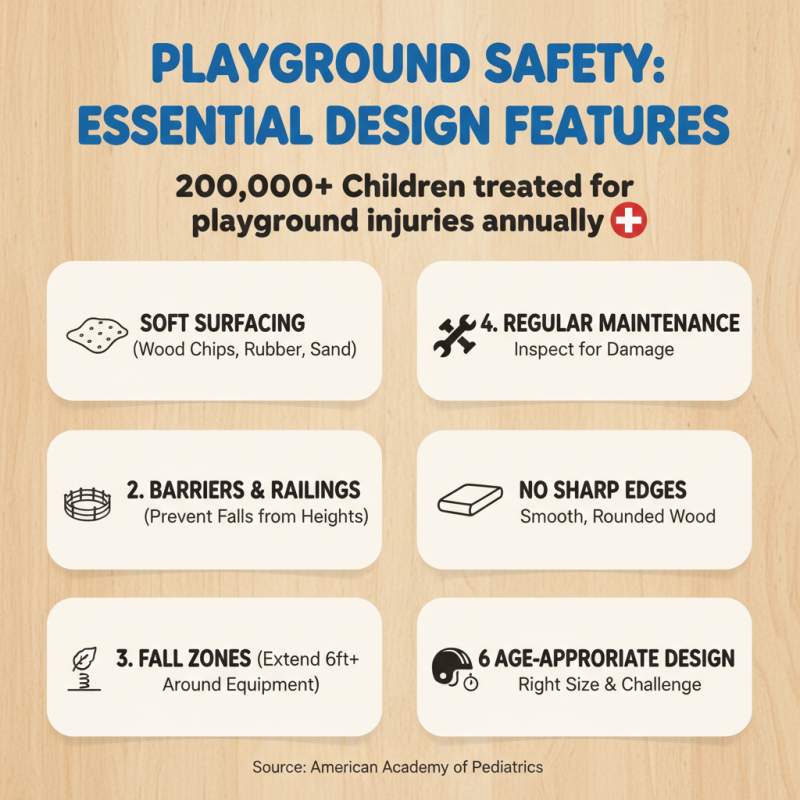
When designing a wooden playground for kids, safety is paramount. According to the American Academy of Pediatrics, injuries in playgrounds are common, with around 200,000 children treated for playground-related injuries each year. To reduce these risks, specific safety features should be incorporated into your playground design.
One essential feature is using soft ground coverings. Materials like rubber mulch or wood chips can lower the chance of injury from falls. The ground should extend at least six feet around apparatuses, like swings and slides. Ensuring that equipment is age-appropriate also plays a crucial role. For instance, slides should be no higher than six feet for younger children.
Tips: Make sure to inspect the wood for splinters. Regular checks can prevent injuries. Similarly, adding safety rails and barriers can help keep children safe while they play. Never underestimate the value of a secure fence around the playground to limit unsupervised access.
Additionally, it's important to think about the playground layout. A well-designed playground allows for free movement and visibility for parents. Avoid placing equipment too close together, as overcrowding may increase the risk of accidents. Prioritize creating an open space where children can interact safely while being supervised.
Finishing Touches: Painting and Maintaining Your Wooden Playground
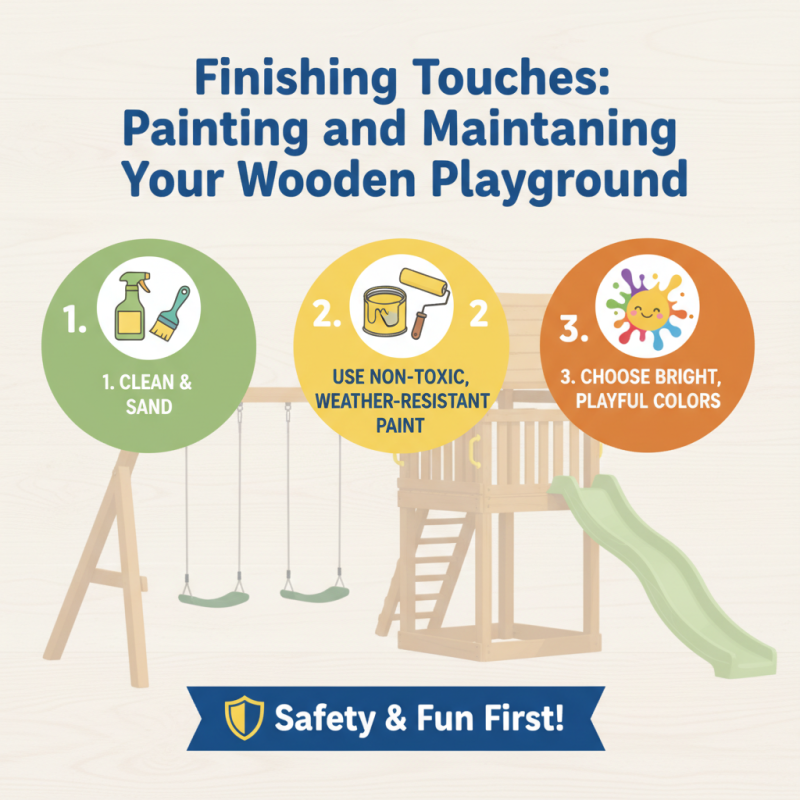
Painting and maintaining your wooden playground are crucial steps to ensure it remains safe and inviting for your kids. Choose non-toxic, weather-resistant paint to protect the wood. Bright colors can stimulate imaginative play and add joy to the space. Before painting, clean the surface thoroughly. Sand down rough areas for a smooth finish. This preparation helps the paint adhere better.
Regular maintenance is essential to prolong the life of your playground. Check for any signs of wear or damage every few months. Look for splinters, cracks, or loose parts. Treat any exposed wood with a sealant to keep it safe from moisture. Kids can be rough on playgrounds. Even a small issue can grow larger if not addressed promptly.
Consider rotating toys and climbing structures periodically. This simple act can create new play dynamics. Kids often enjoy fresh challenges. Remember, sometimes it's okay to embrace the imperfections. Natural wear can add character. Reflect on how your kids use the space. Make changes based on their feedback. This creates a playground that truly meets their needs.