For global buyers, choosing playground accessories is not simply a matter of adding colorful equipment. Each item affects safety, movement, supervision, maintenance, and children’s daily experience. A swing seat, climbing rope, sensory panel, or shaded bench must suit the site, climate, age group, and expected traffic. Details matter. A coastal playground may need corrosion-resistant stainless steel. A busy urban park may require reinforced fixings and replaceable components.
Dr. Joe L. Frost, a respected playground researcher, described playgrounds as “the laboratories of childhood.” His observation explains why accessories deserve careful planning. Children test balance, coordination, confidence, and social boundaries through ordinary play. Global buyers should therefore examine material quality, installation guidance, surface compatibility, cleaning needs, and supplier documentation before placing an order. Certifications and local requirements also need verification, because standards differ between markets. Assumptions can be expensive.
This guide, “Top 10 Playground Accessories for Global Buyers,” focuses on practical purchasing decisions rather than attractive photographs alone. It considers durability, inclusive play, weather resistance, replacement access, and long-term value. A bright plastic panel may look appealing, yet fade quickly under intense sunlight. A small handrail may seem minor, but it can support safer independent movement. Not every accessory fits every playground. That is the uncomfortable part.
Buyers should compare evidence, request product specifications, and ask how components perform after years of use. Supplier claims deserve questions. Real experience often reveals what catalogs omit. The best playground accessories combine thoughtful design, reliable materials, and meaningful play value for diverse communities.
Types of Playground Accessories for Global Buyers
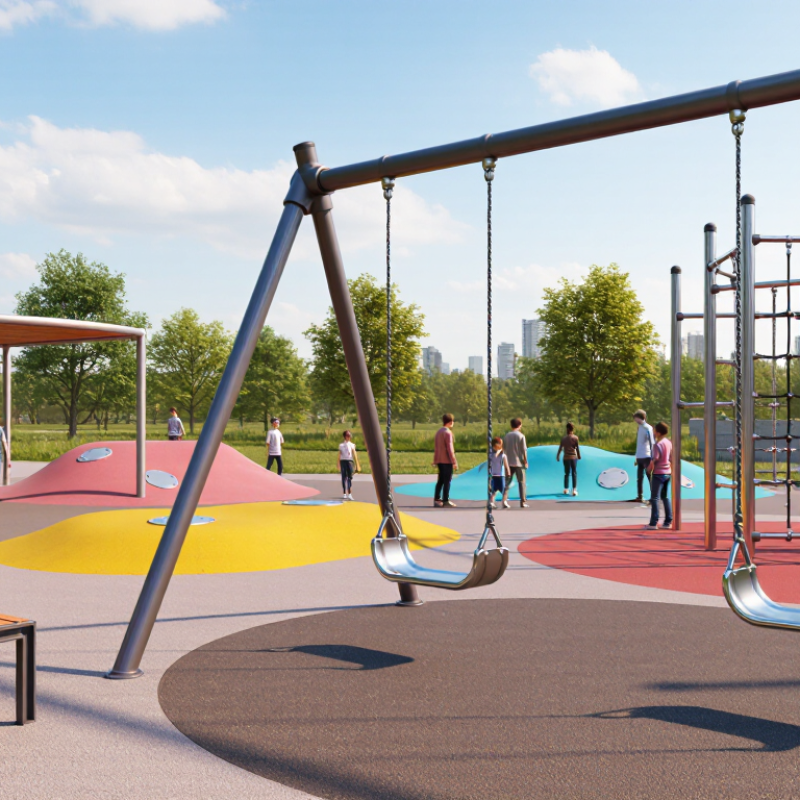
Global buyers need more than colorful add-ons. They need accessories matched to age, climate, space, and local safety requirements. Core options include swings, slides, climbing panels, rope bridges, balance beams, tunnels, and interactive panels. Loose items, such as sand tools and role-play pieces, support flexible play. They also require stronger storage planning.
Inclusive accessories deserve equal attention. Transfer platforms, wide entry points, sensory panels, and ground-level activities can support children with different abilities. The World Health Organization and UNICEF estimate that more than 2.5 billion people need assistive products worldwide. This figure is not playground-specific, but it highlights the importance of accessible design. A buyer should check clear routes, usable heights, surface transitions, and adult supervision points.
Comfort accessories can improve daily use. Shade structures, benches, drinking stations, fencing, waste bins, and equipment labels help families stay longer. According to a 2024 analysis by Grand View Research, the global playground equipment market exceeded US$5 billion in 2023, with continued growth expected through the decade. Demand is rising, yet bigger is not always better. In hot regions, shade and heat-resistant materials may matter more than extra climbing features. Coastal sites need corrosion-aware specifications. I would not rely on attractive images alone. Product drawings, installation details, maintenance records, and third-party safety testing reveal more. Mistakes still happen when buyers compare price before total service life.
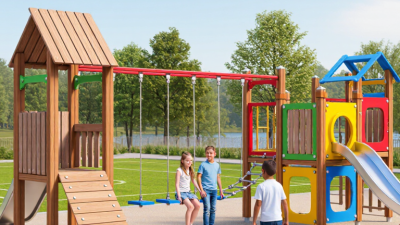
The chart compares common playground accessory types using an indicative global buyer priority score from 1 to 10. Safety, durability, accessibility, and activity value are the main considerations behind the ranking.
Higher scores indicate stronger overall relevance for international playground projects, including public parks, schools, resorts, and family entertainment spaces.
Top 10 Playground Accessories for Global Buyers?
Key Features and Benefits of Essential Playground Equipment
Choosing playground accessories requires more than colorful designs. Buyers should assess durability, age suitability, maintenance, and installation conditions. Slides need smooth, impact-resistant surfaces and secure handrails. Swings should include strong seats, reliable chains, and stable frames. Climbing nets develop coordination, while tunnels encourage crawling and imaginative play. Balance beams improve body control. Spring riders offer simple movement for younger children. Sensory panels add touch, sound, and visual learning. Shade structures reduce direct sun exposure. Impact-absorbing surfacing helps soften falls. Benches support caregivers and improve supervision.
Safety starts with details.
During site planning, measure fall zones carefully and leave clear paths between each activity. Stainless fasteners can resist moisture, but they still need regular inspection. UV-resistant plastics often retain color longer, although harsh climates can shorten their service life. Drainage matters too. Standing water can damage surfaces and create slippery areas. I have seen attractive layouts fail because adults could not easily see children behind tall panels.
Global buyers should request material specifications, load guidance, installation instructions, and maintenance schedules. Products should suit local weather, available space, and the children’s age range. Independent testing documentation can strengthen purchasing decisions, but paperwork cannot replace physical checks. No layout is perfect. A loose fitting, faded warning label, or worn surface may appear minor, yet each deserves prompt attention. Practical trials with children and caregivers can reveal problems that drawings often miss.
| No. | Playground Accessory | Typical Specifications | Key Features | Main Benefits | Common Age Range | Safety and Maintenance Considerations |
|---|---|---|---|---|---|---|
| 1 | Belt Swings | Suspended seat with two chains; commonly installed in single- or multi-bay frames. | Flexible seat Low-friction hangers Replaceable chains | Supports balance, coordination, spatial awareness, and active outdoor movement. | Usually 2–12 years, depending on seat design and installation height. | Inspect chains, connectors, seats, and clearances regularly. Provide an impact-attenuating surface beneath and around the swing zone. |
| 2 | Straight Slides | Typical platform height ranges from approximately 0.9–2.4 m, depending on the intended age group. | Smooth sliding surface Guardrails Exit section | Encourages climbing, controlled descent, confidence, and turn-taking. | Commonly 2–12 years, with height matched to the user group. | Check the slide surface for cracks, sharp edges, heat exposure, and secure connections. Use suitable protective surfacing at the exit. |
| 3 | Climbing Nets and Ropes | Rope or net systems attached to a frame, tower, or independent climbing structure. | UV-resistant rope Flexible climbing paths Multiple difficulty levels | Develops upper-body strength, grip, balance, problem-solving, and route planning. | Typically 5–12 years; designs should be selected according to challenge level. | Check rope fibers, knots, connectors, openings, and anchor points. Keep fall zones clear and use compliant impact protection. |
| 4 | Spring Riders | One-person or two-person molded seat mounted on a heavy-duty spring base. | Low-height motion Ergonomic handles Molded seat | Provides vestibular stimulation and improves balance, posture, and leg coordination. | Generally 2–8 years, subject to the seat size and motion design. | Inspect the spring, anchor bolts, seat, handles, and pinch points. Maintain adequate clearance around the moving unit. |
| 5 | Seesaws | Two-sided beam with a central pivot and seats at opposite ends. | Controlled pivot Hand grips Dampening system | Promotes cooperation, rhythm, balance, communication, and lower-body engagement. | Usually 4–10 years, depending on seat height and operating force. | Use a reliable pivot and end dampers to reduce impact. Inspect the central mechanism, seats, handles, and ground anchors. |
| 6 | Activity Panels | Wall- or post-mounted panels featuring gears, mazes, counters, or tactile elements. | Low moving parts Tactile interaction Inclusive design options | Supports fine-motor skills, sensory exploration, early learning, and quieter forms of play. | Commonly 2–8 years; accessible versions can serve a wider age range. | Use rounded edges and secure moving components. Check for loose hardware, trapped-finger gaps, and weather-related deterioration. |
| 7 | Play Tunnels | Rigid or molded crawl-through sections, often integrated into towers or low-level activity zones. | Crawl-through design Rounded openings Weather-resistant body | Encourages crawling, imaginative play, orientation, cooperation, and gross-motor development. | Typically 2–8 years, depending on tunnel diameter and configuration. | Provide sufficient visibility and ventilation. Inspect surfaces, joints, openings, and internal areas for damage or debris. |
| 8 | Shade Canopies | Fabric or rigid overhead cover installed over selected play and seating areas. | UV reduction Water-resistant fabric options Open-air ventilation | Improves comfort, helps reduce direct sun exposure, and extends the usability of the play area. | Suitable for all age groups when installed outside fall and climbing zones. | Check fabric tension, seams, poles, anchors, drainage, and corrosion. Installation should account for local wind, snow, and weather loads. |
| 9 | Safety Surfacing | Loose-fill or unitary systems such as engineered wood fiber, rubber tiles, poured-in-place rubber, or synthetic turf. | Impact attenuation Drainage options Accessible solutions | Helps reduce injury severity from falls and can improve accessibility, comfort, and site usability. | All age groups; performance must match the equipment’s critical fall height. | Maintain the required depth and coverage. Inspect for displacement, wear, drainage problems, trip hazards, and surface degradation. |
| 10 | Picnic Tables and Benches | Outdoor seating made from treated timber, recycled plastic, metal, or mixed materials. | Stable base Weather-resistant finish Accessible seating options | Provides resting, supervision, social interaction, group activities, and inclusive gathering space. | All age groups; child-sized and accessible configurations are available. | Anchor units where required. Inspect surfaces for splinters, rust, sharp edges, loose fixings, and water accumulation. |
Safety standards should guide every playground accessory purchase. The U.S. Consumer Product Safety Commission reports more than 200,000 playground-related emergency department injuries annually. Falls remain a major concern. Buyers should examine impact-absorbing surfacing, safety mats, guardrails, handrails, barriers, swing seats, slide extensions, protective caps, shade structures, and safety signage.
Requirements differ across markets. In the United States, ASTM F1487 covers public playground equipment, while ASTM F1292 addresses impact attenuation for surfacing. European projects commonly reference EN 1176 and EN 1177. Australia and New Zealand use AS 4685 standards, and Canada applies CSA Z614.
These references affect fall height, entrapment openings, material strength, corrosion resistance, and installation records. A supplier’s test report must match the exact product, not a similar model. That detail is often missed.
Tips:
Request batch-level material certificates, load-test results, UV-resistance data, and installation drawings. Check whether fasteners resist rust near coastal sites. Ask for maintenance intervals and replacement-part availability. Inspect drainage beneath rubber tiles after heavy rain. Small gaps can trap fingers or clothing. A practical mistake is trusting a general “safe for children” statement. It is not a compliance document. Buyers should also confirm third-party inspection requirements before shipment. Standards evolve, and older certificates may no longer reflect current local expectations.
Material selection should start with the local climate, not the catalogue photograph. UV exposure can fade plastic and weaken some polymers. Coastal air accelerates corrosion on untreated steel. Choose galvanized or powder-coated metal, UV-stabilized plastics, and sealed hardwood only after checking supplier test records.
The U.S. Consumer Product Safety Commission reports nearly 200,000 playground injuries receive emergency treatment each year. Falls remain a major concern. Therefore, surfacing matters as much as slides, swings, climbers, tunnels, spring riders, shade structures, panels, handrails, and edging.
Ask for documented compliance with ASTM F1487 or EN 1176 for equipment. ASTM F1292 and EN 1177 address impact-attenuating surfacing. These standards help buyers compare performance, but they do not replace site-specific inspection.
Measure critical fall height, drainage, fastener security, pinch points, and accessible routes. Rubber tiles may simplify replacement, while loose-fill materials need frequent raking and depth checks. Keep it practical.
Maintenance estimates should include labor, spare parts, cleaning chemicals, and seasonal closures. A stainless-steel bolt is not automatically maintenance-free. Dirt can hide cracks around swing hangers and platform joints. Inspect high-use accessories monthly, and schedule a qualified annual review.
A practical warning: suppliers may provide excellent laboratory data, yet overlook tropical heat or freezing cycles. My own checklist can miss vandalism patterns and user behavior. Leave room for local experience, recorded inspections, and honest revision.
Top 10 Playground Accessories for Global Buyers?
A practical top ten includes swings, slides, climbing walls, rope nets, tunnels, spring riders, sand tables, shade canopies, benches, and safety surfacing. Purchasing decisions should begin with children’s age groups and available space. Measure the fall zone, not only the equipment footprint. Request drawings, material specifications, load ratings, and replacement-part details. A low price can hide expensive freight or difficult maintenance.
Shipping needs careful planning. Ask suppliers for packed dimensions, gross weight, carton counts, and moisture protection. Flat-packed components can reduce container space, but small fittings may become confusing during delivery. Use clear labels and a detailed packing list. Check unloading access at the destination. A narrow gate or weak road can delay installation. I once underestimated local handling costs. The equipment arrived safely, but the final delivery required extra labor.
Installation quality affects daily safety. Prepare level ground, proper drainage, and the required clearance around moving parts. Confirm anchor depth and concrete curing time before opening the playground. Safety surfacing should match the equipment height and local requirements. Keep assembly instructions with the site manager. An independent inspection is valuable, especially when local crews interpret drawings differently. Photos of hidden anchors can support future maintenance records. Some buyers rush this stage. That mistake is understandable, but expensive. Regular checks should cover loose bolts, worn ropes, sharp edges, faded markings, and water damage.