How to Choose Swing Sets for Kids in 2026?

Choosing swing sets for kids in 2026 requires more than comparing colors, prices, and slide shapes. A safe set should match your child’s age, height, confidence, and daily play habits. Watch how children move. A cautious four-year-old may need different equipment than an adventurous six-year-old.

Dr. Donna Thompson, a respected playground safety specialist and former executive director of the National Playground Safety Institute, says, “Supervision is the key to playground safety.” Her reminder matters because even well-designed equipment cannot remove every risk. Parents should inspect anchor points, fasteners, swing seats, chains, and pinch zones before purchase. Look for smooth surfaces, rounded edges, clear age recommendations, and enough fall space around the structure. Soft surfacing also deserves attention. Grass may look harmless, but it offers limited protection on hard, compacted ground.

For 2026, many families are also considering weather resistance, recycled materials, adjustable components, and smaller backyard footprints. These features can improve everyday use, but they should not distract from structural quality. Check the manufacturer’s instructions and your local safety requirements. Standards differ by region.

There is no perfect swing set. I once overlooked afternoon heat when judging a backyard layout. The structure fit beautifully, yet the seats became uncomfortable by lunchtime. That small mistake changed my buying checklist. Measure the space at different times of day. Leave room for supervision, maintenance, and children who play unexpectedly fast. The best swing sets for kids support joyful movement while giving adults practical control over safety.
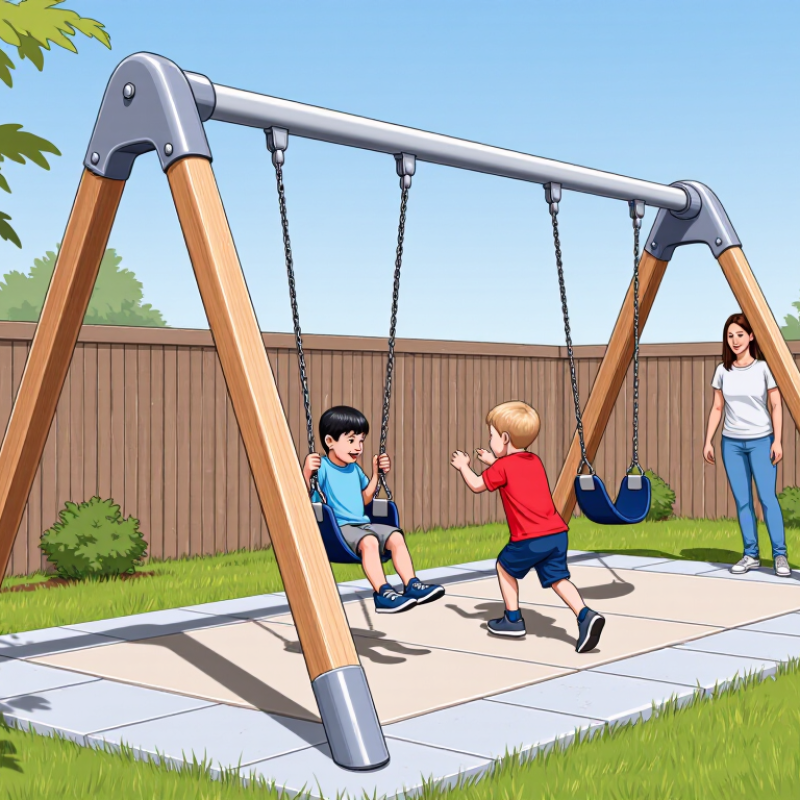
How to Choose Swing Sets for Kids in 2026?

Assess Your Child’s Age, Skills, and Play Preferences

Choosing a swing set in 2026 should start with the child, not the backyard. Age is a useful guide, but it can mislead. A confident four-year-old may need different challenges than a cautious six-year-old. Observe how your child climbs, grips, waits, and recovers after losing balance. Can they sit independently and keep both hands on the ropes? If not, choose a low, enclosed seat with gentle motion. The U.S. Consumer Product Safety Commission reports that falls account for about 79% of public playground injuries (CPSC, Public Playground Safety Handbook). Skill assessment is not paperwork. It is risk control.

Match the set to play preferences, too. A movement-seeking child may enjoy belt swings, climbing ladders, and a short slide. A child who dislikes height may prefer a low platform, tactile panels, or a nest-style seat. Ask what feels exciting, then watch what they actually repeat. Children’s answers change quickly. That is inconvenient, but useful. The American Academy of Pediatrics advises age-appropriate equipment, close supervision, and impact-absorbing surfacing (AAP, “Playground Safety”). Check spacing, pinch points, hardware, and surfacing depth before purchase. A soft-looking surface is not automatically protective.

Leave room for growth, but do not buy for an imaginary teenager. Adjustable components can help, yet oversized structures may invite unsafe climbing. The CDC recommends 60 minutes of daily physical activity for children aged 6–17. A swing set can support that goal, but it cannot replace varied outdoor play. I once treated “more features” as better design. I now see that simpler equipment may produce longer, calmer play. Recheck bolts and movement patterns every few weeks. Your choice may need revision.

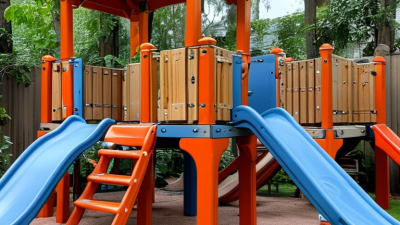
Compare Swing Set Types, Materials, and Features

How to Choose Swing Sets for Kids in 2026?

Choosing a swing set starts with its type, not its color. A-frame sets suit smaller yards and usually offer simpler installation. Modular sets add slides, climbing walls, or play decks. They need more space and stricter layout planning. A bucket seat supports younger children, while a belt seat suits older, confident users. Check age guidance carefully. It is not decorative wording.

Material changes maintenance and comfort. Powder-coated steel offers strong frames and consistent dimensions, but exposed metal can become dangerously hot. Pressure-treated wood feels natural and blends into gardens. However, it needs regular inspection for cracks, splinters, and moisture damage. Recycled plastic resists rust and often needs less care. It can still fade or deform under intense sunlight. The U.S. Consumer Product Safety Commission’s NEISS data estimates about 200,000 children receive emergency treatment for playground-related injuries annually. ASTM F1487 guidance emphasizes protective surfacing, spacing, entrapment prevention, and structural stability.

Tips: Measure the full fall zone, not only the frame. Keep branches, fences, and hard paving outside that area. Look for rounded edges, secure anchors, non-slip steps, and adjustable hardware. Test the swing motion before children use it. My first assumption was wrong: thicker frames alone do not guarantee safer play. Poor anchoring can undermine an otherwise excellent structure. Recheck bolts after installation, especially following heavy rain or ground movement. A little inconvenience is better than a loose frame.

Evaluate Safety Standards, Stability, and Weight Limits

How to Choose Swing Sets for Kids in 2026?

Safety begins with standards, not bright colors or extra accessories. Look for equipment tested against ASTM F1148, the consumer safety specification for home playground equipment. Also check the latest CPSC guidance before buying. The CPSC reports that falls caused about 79% of playground injuries studied. That figure deserves attention.

Inspect every connection. The frame should remain steady when an adult gently pushes it sideways. Anchors must resist rocking, lifting, and gradual soil movement. Place the set on level ground with impact-absorbing surfacing. CPSC guidance recommends at least 9 inches of suitable loose-fill material for equipment with a 7-foot fall height. Measure it after installation. Material compresses and spreads.

Weight limits need careful reading. Use the stated limit for each seat, then consider the combined load on the frame. A swing may hold one child safely, yet two children can create a sharper force during movement. Do not treat a listed limit as a target. Leave a margin. ASTM testing is useful, but home installation can still fail through poor anchoring or worn bolts. That is the uncomfortable part. Recheck hardware monthly, especially after heavy rain or freezing weather. A 2024 CPSC injury report can inform your risk review, but it cannot inspect your yard. That responsibility remains with the adult.

How to Choose Swing Sets for Kids in 2026?

Evaluate safety standards, stability, and weight limits before buying.

How to read the chart: The side clearance is shown at 6 feet, while the front-and-back use zone is calculated as twice the swing pivot height, following guidance from the U.S. Consumer Product Safety Commission's Public Playground Safety Handbook.

Stability check: Select a set with secure anchoring, a level base, tight hardware, and no noticeable rocking or movement during use. Recheck anchors and fasteners regularly.

Weight limits: There is no single universal weight limit for all residential swing sets. Follow the manufacturer's stated per-seat and total load limits, and never exceed the lowest limit for any component.

Safety standards: Look for products tested against applicable residential playground requirements, such as ASTM F1148 or EN 71-8, together with clear installation and maintenance instructions.

Measure Your Yard and Plan the Installation Area

Choosing a swing set starts with the yard, not the catalog. Measure the usable space, then mark the planned footprint with garden stakes. Include slopes, tree branches, fences, sheds, walkways, and underground obstacles. A flat area is safer and easier to inspect.

The U.S. Consumer Product Safety Commission recommends a protective surface extending at least six feet around home playground equipment. For swings, its guidance recommends clearance extending twice the height of the suspending bar in front and behind the seats. ASTM F1148 also addresses residential playground equipment design and performance. These measurements can make a compact yard feel surprisingly small. That is normal. A common mistake is measuring only the frame, then discovering that the swing path reaches a fence.

Tips: Draw the area on paper first. Use a one-inch grid if possible. Add the manufacturer’s required clearance, not just the CPSC minimum. Keep branches above the motion zone. Check the ground after rain, because soft soil can change your level measurements. Leave a clear route for carrying long parts during installation. I would also measure gates and narrow passages. The set may fit the yard, but not the way inside. Recheck every dimension before buying; one missed corner can create an expensive redesign.

How to Choose Swing Sets for Kids in 2026? — Measure Your Yard and Plan the Installation Area
Planning Dimension Recommended Measurement or Calculation How to Measure or Apply It Why It Matters
Available Yard Area Measure the full usable length and width in feet Measure only the level, unobstructed area where the swing set and protective surfacing can be installed. Confirms whether the equipment and its complete use zone will fit without entering fences, walls, trees, or walkways.
Equipment Footprint Record the exact frame length and depth Use the installation manual or measure the outermost structural parts, including posts, platforms, ladders, and slides. The product footprint is different from the larger area required for safe use and fall protection.
General Protective Use Zone At least 6 ft beyond the equipment on all sides Mark a boundary 6 ft outward from the outermost part of the play equipment. Keep this area free of hard objects and obstacles. A 6 ft use zone is a widely used residential playground-planning baseline for protective surfacing around equipment.
Swing Motion Zone Front and back clearance = 2 × the height of the swing pivot point Measure from the ground to the pivot point where the swing chains or ropes attach. For an 8 ft pivot height, plan 16 ft in front and 16 ft behind the swing. Swing seats travel farther forward and backward than stationary play components, so the front and rear zone usually needs additional space.
Side Clearance for Swings At least 6 ft from the outside edge of the frame Measure sideways from the outermost swing frame or seat-support structure to fences, trees, buildings, and other equipment. Reduces the risk of contact with nearby structures while children enter, exit, or move beside the swings.
Illustrative Space Calculation 12 ft frame depth + 16 ft front zone + 16 ft rear zone = 44 ft total depth This example assumes an 8 ft swing pivot height and measures the swing direction from the front to the back of the frame. Shows why swing sets may require substantially more yard depth than their advertised frame dimensions.
Protective Surfacing Coverage Cover the entire calculated use zone Install a suitable impact-attenuating surface across the complete fall and swing area, not only beneath the seats. Gaps between surfacing and equipment can leave children exposed to hard ground during falls or dismounts.
Surface Depth Follow the surfacing material’s tested depth and maintenance requirements Use the depth specified for the selected loose-fill or synthetic surface and check it regularly for displacement, compaction, and wear. Protective performance depends on both the material and its maintained depth; depth requirements vary by material and fall height.
Ground Levelness Choose the flattest practical installation area Avoid steep slopes, depressions, drainage paths, and locations where water collects. Level the area according to the installation instructions. An uneven base can affect frame stability, create trip hazards, and cause protective surfacing to shift or wash away.
Overhead Clearance Keep the complete swing path clear of branches, cables, lights, and roof edges Inspect above the equipment as well as around it. Trim or remove hazards before installation. Children can be injured by contact with overhead objects during swinging or climbing.
Drainage and Weather Exposure Select a location that drains after rain Do not place the set at the bottom of a slope or in a routinely wet area. Confirm that runoff will not erode the surfacing. Standing water can damage materials, reduce traction, and create unsanitary or unstable conditions.
Access and Supervision Maintain a clear route and visible sightline from the home Keep gates, steps, garden furniture, and dense landscaping outside the use zone and position the set where children can be observed. A clear approach lowers trip risks and supports active adult supervision during play.
Equipment Suitability Match the set to the children’s age, size, and abilities Check the manufacturer’s age range, maximum user weight, platform height, swing-seat type, and installation requirements before purchasing. A correctly sized set helps reduce misuse and provides more appropriate challenge and support for the intended users.
Anchoring and Installation Anchor every structure as specified in the installation instructions Install on the recommended base, use the required anchors, and verify that all fasteners are tightened and protected from creating protrusions. Anchoring helps prevent tipping, shifting, and structural movement during active play and strong wind.
Final Boundary Check Equipment footprint + required use zones must fit entirely inside the yard Mark the complete boundary with string or chalk before buying. Check every side, including the swing’s forward and backward travel areas. A full-size layout prevents choosing equipment that fits physically but cannot be installed with adequate safety clearance.

Planning reference: Always follow the current installation manual, local building requirements, and applicable playground-safety guidance. Measurements shown are planning baselines; the required area may be larger for specific equipment, fall heights, site conditions, or local regulations.

Review Maintenance Needs, Durability, and Long-Term Value

Choosing a swing set in 2026 means looking beyond bright colors and climbing features. Maintenance often decides whether outdoor play stays enjoyable. A low purchase price can hide loose hardware, fading surfaces, or difficult replacement parts. Before buying, inspect the frame connections, swing hangers, anchors, and protective finish. These details reveal more than photographs do.

Wooden sets need regular checks for cracks, splinters, moisture damage, and insect activity. Sealed wood may still require cleaning and recoating, especially in wet climates. Metal frames resist some damage, but exposed steel can rust around joints and scratches. Powder-coated surfaces help, though they are not invincible. Plastic components usually need less care, yet sunlight can make them brittle over time. Check every few weeks. It takes minutes.

Durability also depends on installation and daily use. A level base, secure anchoring, and a clear fall area reduce unnecessary stress on the structure. Tighten bolts when needed, but avoid forcing damaged threads. Replace worn ropes, cracked seats, and stretched connectors promptly. I once underestimated how quickly sand and moisture collected under a play platform. That small oversight created extra cleaning and inspection work. Long-term value is not just surviving for ten years. It is remaining safe, repairable, and pleasant to use during those years. Keep receipts and assembly instructions. They make future repairs easier. A set that needs fewer specialist parts may save more than one with a cheaper starting price.