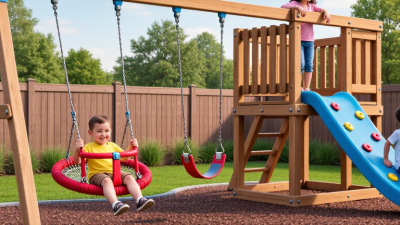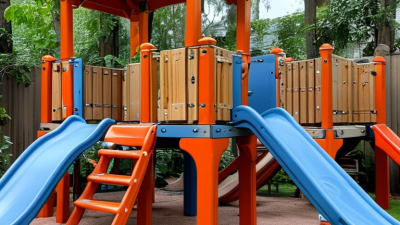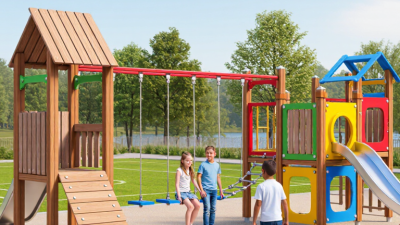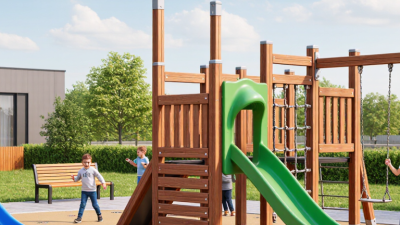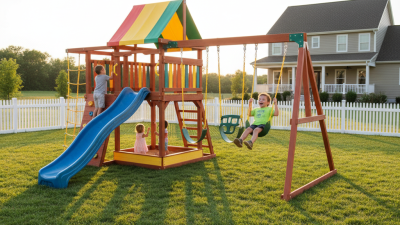
Choosing the best swing set for your backyard is less about bright colors and more about daily family life. Before browsing models, watch how children use your outdoor space. Do they climb, race, or prefer gentle swinging? Their habits matter.
Measure the installation area carefully, including the recommended fall zone around the equipment. A swing set may fit the patio but crowd a fence, tree, or garden path. Leave clear space. More than you think.
Dr. Donna Thompson, a respected playground-safety researcher, has said, “Supervision is the key to playground safety.” Her reminder keeps the decision practical. Choose a swing set that adults can easily see from the kitchen, deck, or usual seating area. Check the manufacturer’s age and weight limits. Inspect the frame, hardware, seats, ropes, and anchoring system before purchase.
Look for durable, weather-resistant materials and clear assembly instructions. Wood can feel natural, but it needs regular sealing and checks for splinters. Metal may last longer, yet it can become hot under strong summer sun. Plastic components are comfortable, though cheaper parts may fade or crack.
Safety standards deserve attention. Verify current certification claims and compare them with local requirements. Do not trust a vague “safe for children” label.
A soft surface helps reduce injury risk. Grass alone is not enough.
The perfect choice may not be the largest model. A compact swing set with solid anchors, visible placement, and room to grow can serve your family better. I would still measure twice. Backyard plans change, and children grow faster than expected.
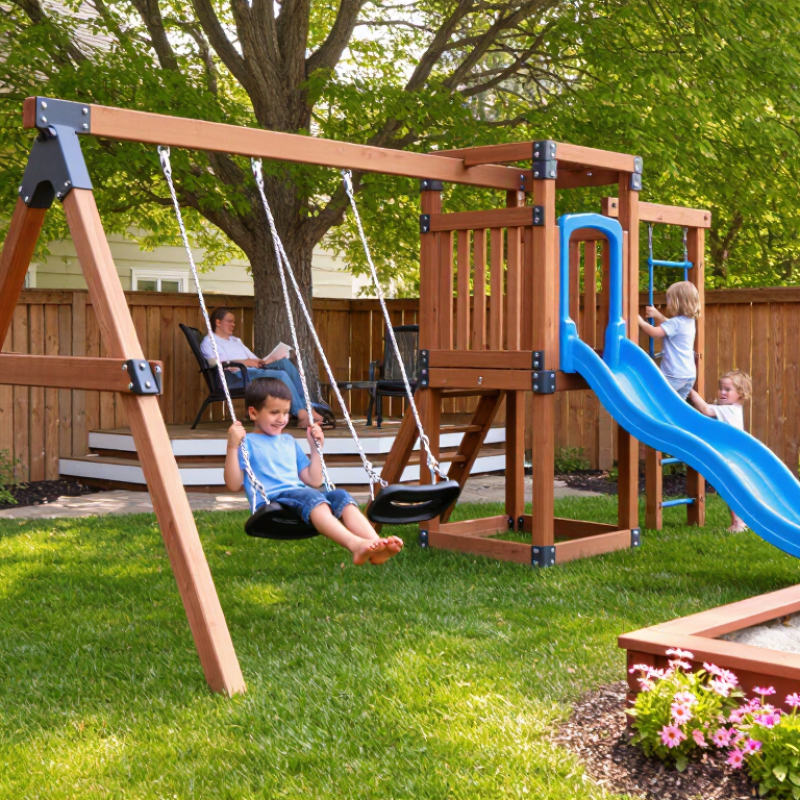
Choosing the best swing set begins with measuring your actual backyard, not browsing attractive pictures. Walk the space at different times of day. Mark fences, walls, trees, decks, sheds, and overhead branches. Measure the usable length and width carefully. A swing also needs room to move forward and backward safely. Leave a generous fall zone around climbing areas. The exact clearance should follow the equipment instructions and local safety guidance. Do not force a large structure into a narrow corner. It may look fine on paper, but daily use can feel cramped.
Define who will use the set and how they will play. Count the children, consider their ages, and note differences in height or mobility. Younger children may need enclosed seats, while older users often prefer climbing features and a wider swing path. Check weight limits, seat spacing, grip sizes, and the structure’s expected maintenance. Weather exposure matters too. Strong sun, heavy rain, and damp soil can shorten the life of some materials. A practical choice is not always the biggest one. I would rather leave open grass than add features nobody uses.
Inspect the ground before installation. A level surface with good drainage is safer than soft, uneven soil near a downspout. Sketch the set with measurements, then place that outline in the yard. Measure twice. Also consider shade, visibility from the house, and access for maintenance. Even careful planning can miss seasonal changes, such as wet ground or a low winter sun.c гendphp
Choosing a swing set starts with comparing materials, not colors. I have found that each material changes maintenance, comfort, and long-term value. Treated wood blends naturally with gardens and feels solid underfoot. However, it needs regular checks for splinters, cracks, moisture damage, and loose fasteners. Powder-coated metal usually offers strong structural support and simpler cleaning. It can become hot in direct sunlight, though. Plastic components resist rust and feel gentler for younger children, but they may fade or weaken over time.
Consider the design carefully. Measure the available area, including the recommended fall zone around the frame. A compact set may suit a small yard, while a larger design could include climbing walls, slides, or a play deck. I once underestimated swing clearance and had to rearrange nearby furniture. Measure twice. Check that the frame can be anchored securely on your surface. Inspect for sharp edges, pinch points, unstable platforms, and gaps that could trap small fingers.
Available features should match the children’s ages and abilities. Belt swings suit toddlers when properly supported, while flat or flexible seats fit older children. Adjustable ropes, handrails, and textured steps can improve access. Look for clear weight limits, weather-resistant hardware, and detailed assembly instructions. Independent safety guidance and local requirements deserve attention before installation. Some attractive features add little value if children cannot use them confidently. A shaded canopy may matter more than an extra climbing panel on a hot afternoon.
Safety begins with recognized standards, not attractive colors. The U.S. Consumer Product Safety Commission’s Public Playground Safety Handbook reports that falls cause about 79% of playground injuries. Look for equipment designed to ASTM F1148, the consumer safety specification for home playground equipment. Check the instructions, hardware quality, guardrails, and pinch-point protection. A safety label helps, but it cannot correct poor installation.
Stability deserves a hands-on test. Place the swing set on level ground, anchor every required support, and push the frame from several directions. It should not rock. Measure the recommended protective surface and keep the fall zone free from fences, stones, and garden tools. CPSC guidance commonly recommends at least six feet around play equipment, with larger clearance in front of and behind swings. Small errors matter.
Age-appropriate design changes the decision. Toddlers need low platforms, enclosed seats, short slides, and openings too small for head entrapment. Older children may use taller climbing features, but only when their balance and strength match the equipment. Follow the stated age range, even when a child seems unusually confident. I still find this easy to underestimate. A capable child can lose footing quickly. Recheck bolts, anchors, ropes, and surfacing every month, especially after rain or freezing weather. A checklist is useful, but careful observation remains essential.
How to Choose the Best Swing Set for Your Backyard?
The right swing set begins with accurate measurements, not excitement. Measure the available yard, then reserve a clear fall zone around the structure. Leave extra space behind and in front of each swing. A cramped layout can turn normal play into a collision risk. Check overhead branches, fences, garden walls, and outdoor lighting before choosing a location. I once underestimated the swing arc by a few inches. That small mistake made the layout feel uncomfortable.
Size should match the children’s ages, number, and movement habits. Younger children may need lower platforms, shorter slides, and enclosed climbing areas. Older children usually need more height and wider activity zones. Do not select a large structure simply because the yard allows it. More equipment also means more inspection points and maintenance. Place the set where adults can see it easily from the house. Shade is helpful, but damp ground can weaken some surfaces and encourage slippery growth.
Installation method depends on soil, drainage, and the structure’s weight. In-ground posts with properly prepared concrete can provide strong stability, but the concrete must cure fully. Surface-mounted systems may work on solid, level ground with suitable anchors. They are not automatically easier. Follow the assembly instructions closely, and use a qualified installer when the ground is uneven or uncertain. Before use, check every bolt, anchor, platform, and protective surface. Recheck them after heavy rain or seasonal movement. Safety guidance is useful, but the yard itself still requires honest judgment.
| Backyard Size | Recommended Swing-Set Footprint | Recommended Safety Zone | Suitable Layout | Typical Capacity | Installation Method | Recommended Surface | Best Use Case |
|---|---|---|---|---|---|---|---|
| Under 300 sq. ft. | Up to 6 ft × 8 ft | Allow at least 6 ft around the equipment where possible; keep the set away from fences, walls, trees, and other obstacles. | Compact frame with one swing bay, a short slide, or a small climbing element. | 1–3 children | Use ground anchors or an approved anchoring kit. Select a low-height structure that can fit without blocking walkways. | Engineered wood fiber, rubber mulch, or another impact-attenuating playground surface. | Small urban yards, patios with suitable clearance, and younger children. |
| 300–600 sq. ft. | Approximately 8 ft × 10 ft | Plan for a clear play area of roughly 20 ft × 22 ft when swing movement and access paths are included. | Two-seat swing beam with a slide or compact climbing wall positioned to reduce crossing traffic. | 2–4 children | Anchor each main support according to the manufacturer’s instructions. Level the ground before installation. | Engineered wood fiber or rubber surfacing over a well-drained base. | Typical family backyards with limited but usable open space. |
| 600–1,000 sq. ft. | Approximately 10 ft × 12 ft | Reserve about 22 ft × 24 ft for the equipment, swing arcs, landing areas, and circulation. | Two or three swing positions, a slide, climbing steps, and a small upper platform. | 3–6 children | Permanent ground anchoring is recommended. Confirm that the soil is stable and that buried utilities are identified before digging. | Engineered wood fiber, rubber tiles, rubber mulch, or other tested impact-absorbing material. | Medium-sized yards used by children of different ages. |
| 1,000–1,500 sq. ft. | Approximately 12 ft × 14 ft | Allow a larger unobstructed zone, especially in front of slides and around the full swing travel area. | Separate active zones: swings on one side, slide and climbing features on another, with a visible caregiver area. | 4–8 children | Use all specified anchors, brackets, and fasteners. A professional installer can help with leveling and concrete footings when required. | Deep, consistently maintained engineered wood fiber or a professionally installed rubber safety surface. | Large family yards and frequent play with several children. |
| Over 1,500 sq. ft. | 14 ft × 16 ft or larger, subject to site planning | Create a dedicated play zone with generous separation from structures, landscaping, pools, driveways, and hard surfaces. | Multi-zone layout with swings, climbing equipment, a slide, and open space for supervision and movement. | 6–10 children | Professional site preparation and permanent anchoring are strongly advisable for larger or taller structures. | A certified impact-attenuating system selected for the equipment’s fall height and installed at the required depth. | Large properties, shared family play areas, and long-term backyard installations. |
Planning note: Measurements are practical planning ranges, not universal product specifications. Always follow the selected equipment’s installation manual, age and weight limits, local building requirements, and current playground-safety guidance. Inspect hardware, anchors, surfacing, and clearance areas regularly.
A swing set budget should include more than the purchase price. Measure the yard first, then price delivery, installation, protective surfacing, and yearly inspections. A practical reserve is 10–15% of the initial cost each year. It covers tightening hardware, replacing worn seats, treating wood, and removing rust before it spreads. That percentage is only a planning guide, not a rule.
The U.S. Consumer Product Safety Commission’s Public Playground Safety Handbook estimates about 200,000 children receive emergency treatment annually for playground-related injuries. Falls account for roughly 79% of reported injuries. These figures concern public playgrounds, but they highlight a private-yard lesson: budget for safe surfacing and clear fall zones. ASTM F1148 also provides safety guidance for home playground equipment. Check the set against those requirements before buying.
Look closely at the ground after rain. Soft soil can hide unstable posts. A loose anchor may seem harmless until the frame shifts during a fast swing. Inspect bolts monthly, especially after storms, and check wood for splinters or swelling. I would choose durable materials, but not assume they are maintenance-free. That assumption is where budgets often fail. Keep a small maintenance log with dates, photographs, and replaced parts. It feels excessive at first. It is useful later.