
What Are the Best Backyard Swing Sets for 2026?
Choosing the best backyard swing sets for 2026 means looking beyond bright colors and cheerful product photos. A sturdy frame, secure anchors, age-appropriate seats, and enough clearance around each swing matter more. So does the ground beneath it. A set that looks perfect online may feel cramped beside a fence or wobble on uneven soil.
Playground researcher Dr. Joe Frost’s work highlights the value of play environments that support children’s development. I can’t verify a direct quotation from him about backyard swing sets, so I won’t put invented words in his mouth. That distinction matters. Safety claims deserve careful checking, not catchy lines without sources.
This guide compares sets by materials, construction, play features, maintenance needs, and the space each design requires. Picture measuring the yard, checking the overhead branches, and leaving room for a moving swing. Small details count. We’ll consider compact options for younger children, larger structures for mixed ages, and designs that may grow with a family. We’ll also note trade-offs, because no set is ideal for every yard, budget, or household. Some details can be easy to overlook—especially how much assembly and upkeep a wooden frame may need. The goal is a practical shortlist, with clear points to verify before buying.
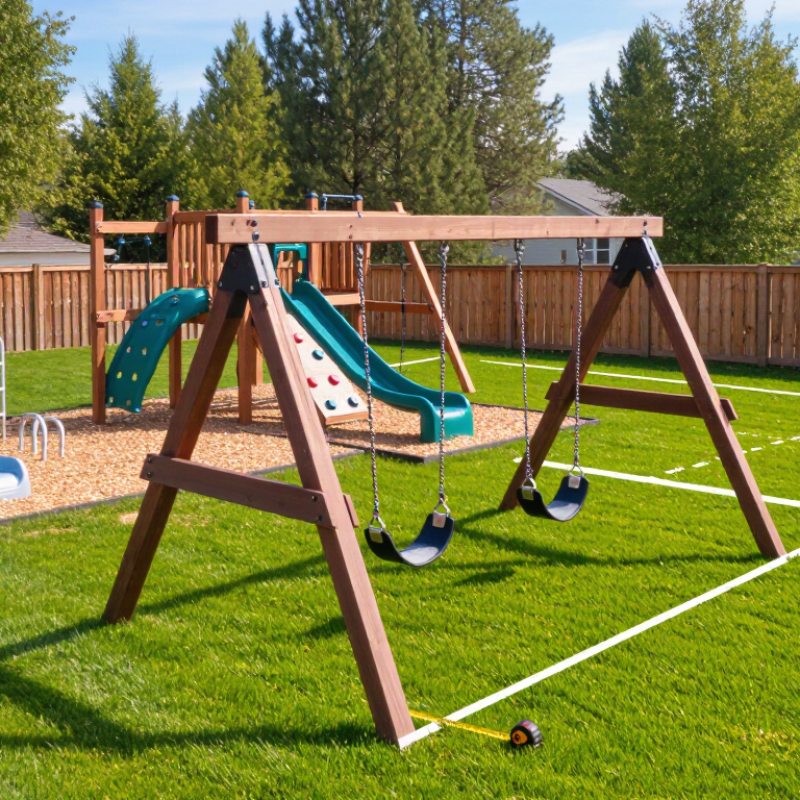
Classify 2026 Backyard Swing Sets by Design, Materials, and Age Range
For 2026, backyard swing sets are easiest to compare by layout: compact A-frames, modular play towers, and multi-bay sets with separate swings. A 2024 Grand View Research report valued the global playground equipment market at about $4.2 billion in 2023 and projected 6.3% annual growth through 2030. That figure covers more than backyard sets, but it reflects growing interest in outdoor play. Measure the fall zone, not just the frame. A swing needs clear space in front and behind, away from fences, trunks, and hard paving.
Materials change upkeep. Powder-coated steel frames usually need checks for rust, loose bolts, and worn joints. Cedar or other treated wood can blend into a garden, but needs regular inspection for splinters, cracks, and shifting supports. Plastic slides and seats feel smooth, yet sun exposure can age them. No material is maintenance-free.
Age range should guide the design more than a long accessory list. Toddlers need low platforms, secure barriers, and age-appropriate seats; older children may prefer climbing features and higher swings. The U.S. Consumer Product Safety Commission’s Public Playground Safety Handbook offers useful guidance on age separation and fall surfaces, though it addresses public playgrounds rather than certifying home sets. Check the manufacturer’s stated age and weight limits, and inspect the ground after heavy rain. A tidy yard can still hide a hard landing.
What Are the Best Backyard Swing Sets for 2026? — Classify 2026 Backyard Swing Sets by Design, Materials, and Age Range
| Swing Set Design | Typical Features | Common Materials | Typical Age Range | Best Suited For | Practical Considerations |
|---|---|---|---|---|---|
| Compact A-Frame Swing | Two support legs on each side of a crossbeam, usually with one or two swing positions. | Galvanized or coated steel; pressure-treated lumber or naturally durable wood. | Often designed for preschool and school-age children; some models accept toddler seats. | Small yards and families looking for straightforward swinging without a large play tower. | Check the required clearance around and beneath the swings. Secure anchoring is important, especially on freestanding frames. |
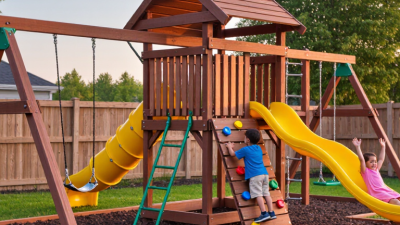
| Wooden Playset with Fort or Deck | Raised platform or playhouse with a ladder or steps, often paired with swings and a slide. | Pressure-treated lumber, cedar, or other outdoor-rated wood; hardware is commonly corrosion-resistant metal. | Typically aimed at preschool and school-age children, depending on platform height and play features. | Families wanting several activities in one structure and enough yard space for a larger installation. | Wood needs routine checks for splinters, loose fasteners, and weathering. Follow the instructions for assembly, anchoring, and maintenance. |
| Metal Multi-Swing Frame | Freestanding frame with multiple hanging points, commonly configured with belt, bucket, or glider seats. | Painted or powder-coated steel tubing with metal connectors and outdoor-rated swing hardware. | Varies by included seat: enclosed bucket seats are generally intended for younger children, while belt seats are commonly for older children. | Households that want multiple swing positions or a frame that is generally simpler to clean than wood. | Inspect coatings and joints for damage or corrosion. Use only seats and attachments approved for the frame. |
| Toddler-Focused Swing Set | Low-height frame or compact play structure with an enclosed or supportive swing seat; some include a small slide. | Outdoor-rated plastic, coated metal, or a combination of plastic and metal. | Often intended for toddlers and younger preschoolers; exact minimum age and weight limits are model-specific. | Young children who need a supportive seat and a play area scaled to their size. | Check the seat’s restraint and weight limits. Adult supervision is essential, and children should use only age-appropriate equipment. |
| Combination Climber and Swing Set | Combines swings with features such as a climbing wall, ladder, slide, or overhead bars. | Wood, coated steel, molded plastic, or a combination of these materials. | Usually better suited to preschool and school-age children; climbing features may have separate age guidance. | Active play and multiple children, when the yard has room for the structure and its use zones. | Review each feature’s age and capacity limits. Allow clear space around moving swings and slides, and use an appropriate impact-absorbing surface. |
| Modular or Expandable Playset | A base structure designed to accept compatible additions, such as another swing, a slide, or a climbing feature. | Most often outdoor-rated wood or coated metal, with plastic components on some accessories. | Depends on the base structure and each add-on; check the age guidance for every component. | Families who want to start with a simpler setup and add features as space or needs change. | Use only compatible accessories specified for the structure. Added components can change clearance needs, stability, and maintenance requirements. |
Selection and safety note: Age ranges above are general planning guidance, not a substitute for the specific product’s instructions. Before buying, verify age and weight limits, required yard dimensions, anchoring instructions, and recommended surfacing. Provide active adult supervision and inspect the structure and hardware regularly.
Related Posts
-
How to Choose a Childrens Swing Set in 2026?
-

Top Clearance Swing Sets for Backyard Fun and Adventure?
-

What is a Swing Set at the 139th Canton Fair?
-
Why Buy Outdoor Playground Equipment Wholesale?
-
Why Choose a Metal Swing Set for Your Backyard Play Area?
-
What Is Rainbow Play Systems and How Much Do They Cost?