Why Choose Wooden Swing Sets for Your Playground?
Choosing wooden swing sets involves more than selecting an attractive backyard feature. It means balancing play value, structural safety, maintenance, and a child’s changing abilities.
The U.S. Consumer Product Safety Commission reports that more than 200,000 children receive emergency-room treatment annually for playground-related injuries. Its Public Playground Safety Handbook emphasizes fall-absorbing surfaces, safe spacing, stable anchoring, and regular inspections. These recommendations apply to residential equipment too. A wooden swing set should stand firmly on level ground, with rounded edges, protected bolts, and clear space beneath and around each swing.
The details matter.
Donna Thompson, a playground-safety expert and former CEO of the National Program for Playground Safety, states, “Safety is not a product; it is a process.” That principle explains why high-quality wood alone cannot guarantee safe play. Parents still need to check for splinters, loose fasteners, water damage, and worn swing seats. The International Play Equipment Manufacturers Association also stresses inspection, maintenance, and impact-attenuating surfacing in its safety guidance.
Wooden swing sets offer a warm, natural appearance and can blend with gardens, patios, and shaded play areas. Their solid beams may also create a reassuring, furniture-like presence. Yet wood requires attention. Rain, insects, and ultraviolet exposure gradually weaken untreated surfaces.
That is the part many buyers overlook.
With responsible installation, suitable surfacing, and consistent inspections, wooden swing sets can support active outdoor play while complementing a home’s landscape. They are not maintenance-free, but their practical and visual benefits can make the effort worthwhile.
Wooden Swing Sets: Definition and Core Features
Why Choose Wooden Swing Sets for Your Playground?
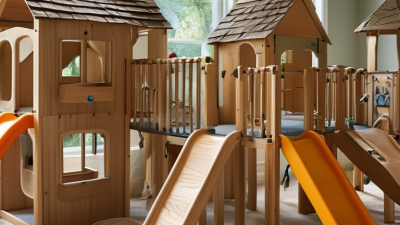
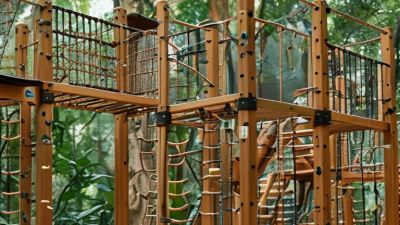
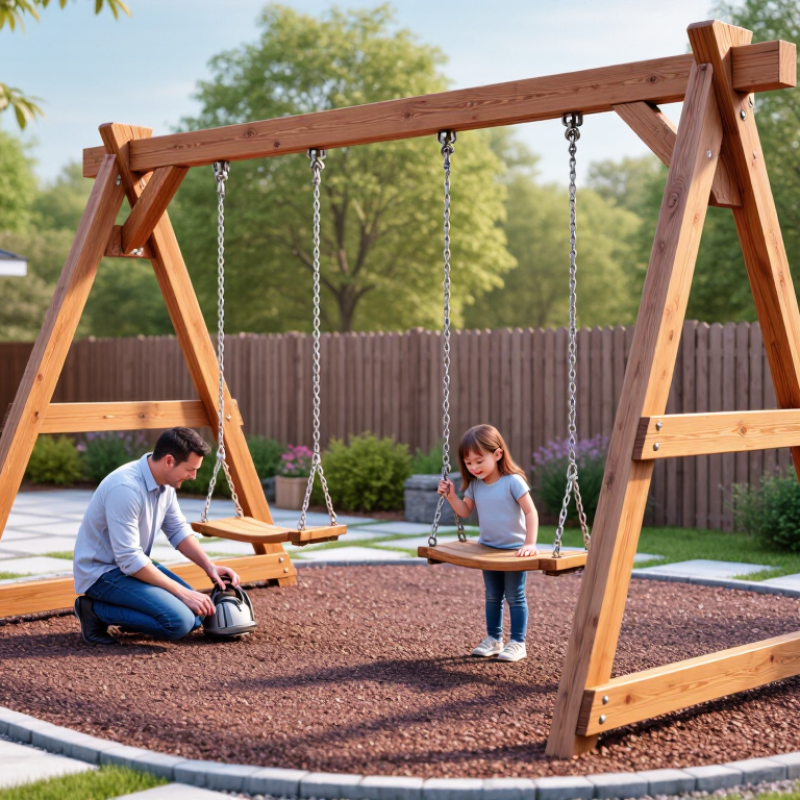
Wooden swing sets combine a timber frame, swing beams, seats, connectors, and climbing features. Their core strength is structural stability. Properly treated timber can resist moisture, insects, and repeated outdoor use. Thick posts also create a grounded, natural appearance. Children notice the texture, warmth, and small changes in the wood surface.
The U.S. Consumer Product Safety Commission’s 2023 playground equipment report estimated about 145,000 emergency-department-treated injuries among children under 14. Falls remain a major concern. Therefore, a wooden swing set needs impact-absorbing surfacing, secure anchors, rounded edges, and carefully spaced swings. ASTM F1487 provides widely used safety guidance for public playground equipment. These standards support better design decisions, but they do not replace regular inspection. Wood can split. Hardware can loosen. My own practical view is simple: a beautiful frame is not enough.
Tips: Check for cracks, rust, exposed bolts, and soft ground each week. Keep swing seats away from walls and fences. Choose age-appropriate seat heights. Use engineered wood fiber, rubber tiles, or another tested impact surface. Leave clear movement zones around every swing. Ask a qualified inspector to review heavily used equipment. Small oversights matter.
How Wooden Swing Sets Support Play and Development
Why Choose Wooden Swing Sets for Your Playground?
How Wooden Swing Sets Support Play and Development
A wooden swing set gives children more than a place to move. Each push builds balance, timing, and body awareness. Children learn to control speed, adjust their grip, and judge distance. These small actions support physical confidence through repeated practice. A sturdy platform can also encourage climbing, stepping, and careful decision-making.
Play becomes social around a swing set. One child may push while another waits nearby. They practice turn-taking, patience, and simple negotiation. Imaginative play often grows from ordinary details, such as pretending the platform is a lookout tower. From my experience observing outdoor play, children stay engaged longer when the equipment allows several activities. Still, not every child joins immediately.
Wood has a warm, natural texture that can make a play area feel less harsh. Properly maintained surfaces should remain smooth, secure, and free from exposed fasteners. Regular checks matter. Look for loose joints, splinters, worn ropes, and unstable ground. A shaded seat may feel comfortable, but wet wood can become slippery. That detail is easy to miss. Caregivers should match equipment use to each child’s age, ability, and confidence. No playground design supports development perfectly. Children still need supervision, space, and time to create their own challenges.
Safety Design and Installation Considerations
Why Choose Wooden Swing Sets for Your Playground?
Safety Design and Installation Considerations
A wooden swing set can create a warm, natural playground feature, but safe design requires more than attractive timber. During playground inspections, I look for rounded edges, smooth surfaces, secure fasteners, and strong connections. Splinters are a warning sign. Wood should resist moisture, decay, and insect damage, especially near the ground. Regular sealing helps, but it does not replace inspection.
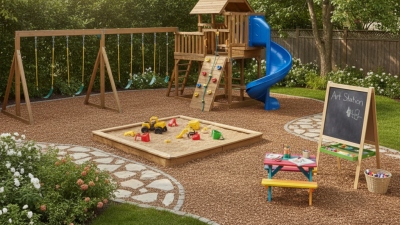
The swing area needs a clear fall zone with suitable impact-attenuating surfacing. Grass and compacted soil may look soft, yet they provide limited protection after repeated use. Check local playground standards for surfacing depth, equipment spacing, and accessibility requirements. Install anchors according to the structural design, then test the frame for movement. A level foundation matters. Poor drainage can weaken posts and create unstable ground.
Leave enough space between swings, supports, fences, and other equipment. Use hardware that cannot loosen easily, and cover exposed bolts where practical. Remove pinch points and check chains, seats, and connections before opening the playground. I recommend recording inspection dates and correcting small defects quickly. No checklist is perfect. Weather, heavy use, and rushed installation can still expose weaknesses. An independent safety review is worthwhile when the structure serves many children or sits on uneven ground.
Comparing Wooden Swing Sets with Other Playground Options
Why Choose Wooden Swing Sets for Your Playground?
Comparing Wooden Swing Sets with Other Playground Options
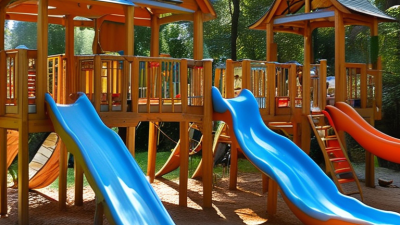
Wooden swing sets create a warmer, more natural play space than metal or plastic equipment. The grain feels comfortable under small hands, and the structure can blend with gardens or school yards. In my experience, children often use wooden frames for more than swinging. They climb, pretend, and turn the space into a small fort. That flexibility matters.
Metal frames usually offer strong resistance to heavy use, but their surfaces can become painfully hot in direct sunlight. Plastic equipment feels bright and smooth, with fewer splinter concerns, yet some designs provide less climbing variety. Composite materials resist moisture well and need less repainting than wood. However, they can cost more and may feel less authentic. Wood requires regular checks for cracks, loose bolts, water damage, and rough edges. It is not maintenance-free.
That part is easy to underestimate. A quality wooden set needs stable anchoring, suitable fall protection, and enough clearance around each swing. The surface should be inspected after storms and during seasonal changes. Following current playground safety guidance is essential, especially for spacing and equipment height. I once assumed a shaded location solved most problems. It did not; damp wood still needed attention. Choosing wood works best when caregivers accept these small responsibilities and match the design to children’s ages, abilities, and daily play habits.