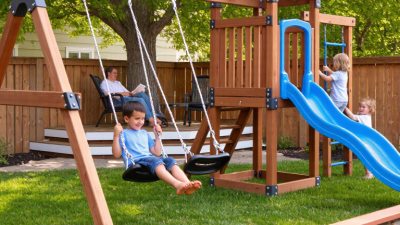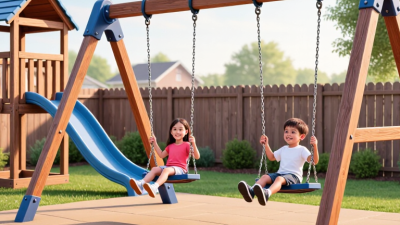
Choosing among the top wooden swingsets in 2026 takes more than comparing photos or counting play features. A sturdy-looking tower may still be too large for a narrow yard, while a compact set may not suit several children at once. This guide considers practical details: overall footprint, recommended age and weight limits, wood type, hardware, anchoring, and available warranty information. Check the manufacturer’s specifications before buying, since models and package contents can change.
Wood also needs care. Sun, rain, and seasonal temperature changes can affect its finish over time, so maintenance matters as much as the initial price. Look closely at connection points, ladder steps, and the space around the swings. A few inches can matter. Installation deserves attention, too; an uneven base can compromise stability, and some designs call for more than one adult to assemble safely. Not every yard fits.
The recommendations ahead are meant to help families compare options, not promise a perfect choice for every home. A swingset that works well for one household may feel cramped or need more upkeep in another. I would still measure the site twice and confirm current safety guidance before ordering. That small pause can prevent an expensive mismatch—and make playtime more enjoyable.
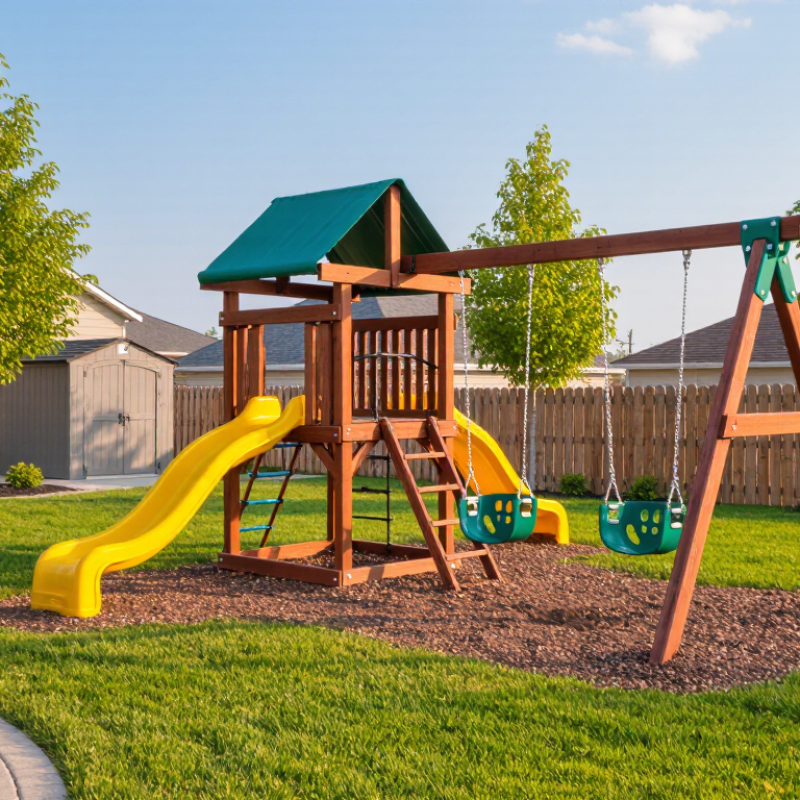
A top wooden swing set in 2026 should be judged by safety, durability, and fit—not by its number of accessories. The U.S. Consumer Product Safety Commission’s Public Playground Safety Handbook ties protective surfacing to both fall height and material; its guidance lists 9 inches of engineered wood fiber for equipment with a fall height up to 10 feet, when properly installed. That detail matters: a soft-looking lawn is not a substitute for tested impact-absorbing surfacing. Look for clear assembly instructions, stable anchoring, smooth edges, and enough open space around each swing.
Wood quality matters, too. Ask what species is used, how it is treated, and whether replacement hardware is available. ASTM F1148 covers consumer safety performance for home playground equipment, so request documentation showing how the set was evaluated against the standard. Check joints and bolts regularly; weather and repeated movement can loosen them. Small gaps count.
A practical set should suit the children using it now and leave room for growth. Measure the yard before buying, including the swing path and space beneath climbing platforms. A tall tower may look impressive, but it can be awkward in a compact garden. And “low maintenance” is rarely maintenance-free. Inspect for splinters, corrosion, and shifting posts each season.
Wood quality shapes how a wooden swingset ages. Cedar and redwood naturally resist decay, while properly rated treated lumber can also suit outdoor use. Ask how the wood was treated and whether it is intended for children’s play equipment. Smooth, rounded edges matter. So do sturdy joints and corrosion-resistant bolts that stay tight through wet seasons.
Design should fit the yard, not just the catalog photo. Check the swing’s clearance, overhead branches, and space around the frame. A stable A-frame, secure ground anchors, and comfortable handholds help reduce avoidable hazards. The landing area needs an appropriate impact-absorbing surface, such as engineered wood fiber or rubber mulch; grass can hide hard ground beneath it. Small details matter. A shaded spot may protect both children and the structure, though shade alone will not prevent weather damage.
Look for clear assembly instructions, age and weight limits, and guidance for routine inspection. In the United States, ASTM F1148 covers residential playground equipment; buyers elsewhere should check applicable local standards. Standards do not replace careful installation. Recheck fasteners, look for splinters or cracks, and test the frame for movement before each season. Even good wood can split. That part deserves an honest look, especially after a harsh winter.
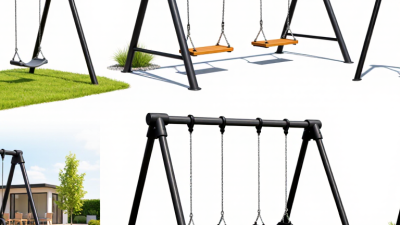
Wooden swing sets serve different needs, so the best type depends on children’s ages, yard space, and play habits. An A-frame set is a practical choice for swinging without taking over the yard. Its open layout can fit two or more swings, depending on the frame design. Check the listed weight limits and leave clear space around each swing. Space matters.
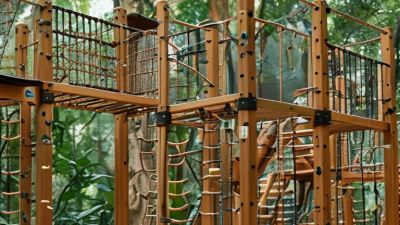
A tower-style set adds a raised platform, often with a slide or climbing wall. It suits children who enjoy imaginative play and active climbing. The platform should have secure rails, and the structure needs stable footing on level ground. These sets take more room and usually need more assembly. That trade-off is easy to underestimate.
Compact wooden sets may pair one swing with a small slide or playhouse. They work well for younger children, but age-appropriate seats and close adult supervision still matter. For siblings, a combination set can offer varied activities, though not every feature will get equal use.
Before buying, measure the play area, including clearance beyond the frame. Follow the assembly instructions, anchor the structure as directed, and check bolts, wood, and swing connections regularly. Wood can weather or develop splinters, so routine inspection is part of ownership. I’d avoid choosing by feature count alone. A simpler set may fit the yard and family better.
Compare each set against your yard, not just its listed play features. Measure the full frame and its recommended clearance area, then check gates, fences, trees, and overhead branches. A compact set may suit a narrow yard, while taller towers need more room and careful fall-surface planning. The U.S. Consumer Product Safety Commission’s Public Playground Safety Handbook reports that falls account for about 79% of playground injuries; that figure concerns public playgrounds, but it underscores why landing zones matter at home, too. Check the set’s age and weight limits, anchor requirements, and whether its layout can grow with your children.
For durability, inspect the wood type, treatment, hardware, and maintenance instructions. Ask whether boards resist rot and insects, and look for smooth edges, sturdy joints, and replaceable parts. Price should include delivery, installation, surfacing, and upkeep—not just the frame. A lower price can be tempting. Still, missing details about wood treatment or anchoring are reasons to pause. Compare warranties, but read exclusions closely; weather damage may not be covered.
Tips: Sketch the footprint with a tape measure before shopping. Compare total installed cost, then revisit the dimensions after accounting for clearance. Small oversight, big difference. A feature-packed tower is not automatically the best choice; a simpler set that fits safely and gets regular use may be more practical.
A wooden swing set should fit the yard, not just the wish list. Measure the available space, then leave room for the swings to move and for children to enter and exit safely. Check the assembly guide for required clearances and anchoring details; these vary by design. A compact frame may suit a small lawn, while a larger play structure needs level ground and a clearly defined fall zone. Looks matter, but safe placement matters more.
Tips: Mark the frame’s footprint with garden stakes before buying. Check for low branches, fences, slopes, and sprinkler lines. Choose a spot where an adult can see the play area from the house. Avoid placing the set over concrete or paving; use suitable impact-absorbing surfacing as directed by the manufacturer.
Consider who will use it now and later. Younger children may benefit from low platforms and easy-to-grip steps, while older kids often want room to climb or add activities. Cedar and other outdoor-rated woods can weather differently, so read care instructions and plan to inspect joints, fasteners, and surfaces regularly. Even a sturdy set needs upkeep. That part is easy to underestimate, especially after a wet winter. Check that the wood is splinter-free and the structure remains stable before each play season.
| Set Type | Typical Product Footprint | Common Play Features | Best Suited To | Key Buying Checks |
|---|---|---|---|---|
| Compact A-frame | About 6–10 ft wide × 6–9 ft deep | Two belt swings or one belt swing and one toddler seat | Smaller yards and families prioritizing simple swinging play | Check the swing-beam height, seat compatibility, anchoring method, and the usable clearance around the swing arc. |
| Classic swing-and-slide set | About 8–12 ft wide × 8–12 ft deep | Two swings, a small elevated platform, and a slide | Families looking for a balanced mix of active play without a large fort structure | Measure the slide’s exit area and confirm that the platform height and intended age range suit the children who will use it. |
| Fort-style playset | About 10–16 ft wide × 10–14 ft deep | Elevated play deck, slide, climbing ladder or wall, and one or two swings | Yards with room for a defined play zone and children who enjoy climbing and imaginative play | Review the fall height, guardrails, access points, anchoring instructions, and the space needed around both the slide and swings. |
| Multi-activity set | About 12–20 ft wide × 12–16 ft deep | Multiple swings, a climbing feature, a slide, and a larger play deck | Several children or households seeking different play activities in one structure | Compare the number and type of play stations with the available yard space; check the stated user limits and whether accessories are included. |
| Expandable modular set | About 8–14 ft wide × 8–12 ft deep initially; larger with add-ons | Basic swing frame or platform, with compatible accessories available for some designs | Buyers who want to start with a smaller setup and add features later | Confirm that future accessories are designed for the exact structure and that expansion will still leave adequate clearance. |
Planning note: Footprints are approximate ranges for common residential wooden-set configurations, not specifications for a particular product. Always use the assembly manual for exact dimensions, age and weight limits, anchoring, and required safety zones. Before buying, measure the level area and account for swing travel, slide exits, overhead branches, fences, and other obstacles.