Top Playground Accessories to Enhance Play Areas in 2026?
As we approach 2026, the landscape of playground accessories is evolving, enhancing play areas across communities. Experts like Dr. James Anderson, a specialist in child development, emphasize the importance of interactive play. He states, “The right playground accessories can transform how children engage and learn outdoors.”
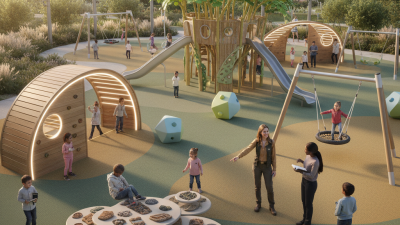
Playground accessories are no longer just additions; they are essential tools for growth. Innovations in design are creating more opportunities for imaginative play. Equipment such as sensory panels and climbing structures encourage children to explore, socialize, and develop critical skills. However, there's a challenge; many play areas lack these vital items.
Communities must reflect on their investment in quality playground accessories. An inviting space encourages children to play actively and safely. It's crucial to assess whether existing installations meet current needs. Enhancing play areas goes beyond aesthetics; it shapes the experiences of the next generation. Collaboration with experts can help guide improvements, ensuring playgrounds remain engaging and functional.
Innovative Playground Accessories to Boost Imagination and Creativity
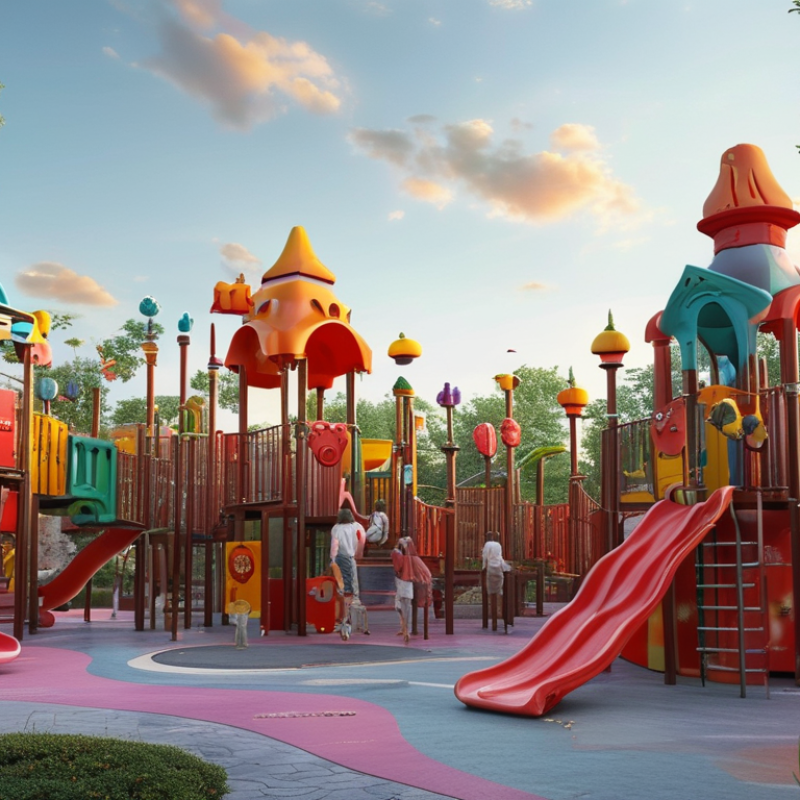
In 2026, playgrounds will evolve with innovative accessories that spark imagination and creativity. Modern designs encourage children to explore new ideas. Think of DIY stations for crafting or interactive walls displaying vibrant art. These features allow children to express themselves freely and engage with their surroundings in unique ways.
Integrating sensory elements is crucial. Use materials that feel different, like textured panels and sound-producing elements. These can be both fun and educational. Children can learn about cause and effect as they interact with various textures and sounds. This sensory integration enhances their play experience and cognitive development.
Tips: Encourage outdoor creativity with portable art kits. Having crafting materials available can inspire impromptu projects. Consider providing spaces for role-playing games. This can transform a simple playground into a vibrant community where imagination thrives. Remember, it’s essential to keep play areas flexible, allowing for adjustments based on feedback and evolving needs. Engaging children in the design process could lead to more fulfilling play experiences.
Safety Features: Ensuring a Secure Environment for Children's Play
Creating a safe play environment is essential for children’s development. Playground accessories can enhance safety features significantly. Soft landing surfaces are a must. They cushion falls and reduce injuries. Options like rubber mulch or turf are popular choices. These materials can mitigate the impact of falls effectively.
Another critical aspect is proper equipment spacing. Children need ample room to play without the risk of collisions. Swing sets and slides should be strategically placed. Clear sightlines for caregivers are also important. They help adults supervise children easily. Regular maintenance checks can ensure equipment remains safe and functional. Worn-out parts should be replaced promptly.
While safety features are vital, they are not foolproof. Children will still explore and take risks. It is important to educate them about safety. Teaching kids to play responsibly can complement physical safety measures. It's a dynamic challenge. Balancing creativity with safety can lead to a rewarding play experience. Emphasis on physical safety doesn’t eliminate the need for supervision and guidance. The ongoing commitment to safety should evolve with the play area.
Top Playground Accessories Enhancing Safety in 2026
Eco-Friendly Materials: Sustainable Options for Modern Playgrounds
In 2026, enhancing playgrounds with eco-friendly materials is more crucial than ever. Sustainable options promote health for children and the planet. For instance,
natural wood playscapes made from responsibly sourced timber create a warm, inviting environment. In addition, recycled rubber surfaces provide safety while minimizing waste. These choices show a commitment to sustainability.
Tips: Look for certified eco-friendly suppliers. Evaluate the lifecycle of the materials. Consider how they can educate children about nature.
Incorporating plants into play areas adds beauty and functionality. Native plants can attract local wildlife, promoting a lesson in biodiversity. However, careful selection is key. Some plants may pose allergies or maintenance challenges. It’s essential to strike a balance.
Tips: Research local flora suitable for play areas. Engage children in gardening activities. Monitor growth and maintenance needs regularly.
Engaging Technology: Interactive Elements to Attract Young Users
In 2026, interactive technology is set to transform playgrounds dramatically. Children today crave engagement. Reports indicate that 70% of young users prefer play areas with digital features. These features include augmented reality experiences and motion-activated installations. They create immersive environments that captivate kids, fostering social and cognitive development.
To enhance play areas, consider incorporating interactive games. Digital scavenger hunts encourage teamwork. They also inspire curiosity and exploration among kids. Another approach is integrating fitness trackers within the playground. These devices can motivate children to be active, collecting data on their physical movements. However, it’s essential to monitor screen time and balance digital interaction with physical play. Engaging tech must complement traditional activities, not replace them.
It's worth reflecting on the evolving needs of children. While technology attracts young users, it’s essential to design thoughtfully. Avoid overwhelming children with screens. Instead, create zones where digital and physical elements coexist. This balance can provide diverse experiences that promote healthy development. Revisiting these strategies regularly ensures that play areas remain appealing and beneficial.
Multisensory Experiences: Accessories That Stimulate the Senses
In 2026, enhancing playgrounds goes beyond traditional equipment. Multisensory accessories are key for stimulating children's senses. These additions create engaging environments that promote exploration and interaction. For example, textured paths encourage tactile experiences. Kids can feel different surfaces, sparking curiosity and sensory exploration.
Auditory elements also play a significant role. Wind chimes or musical panels provide sound experiences. Children can experiment with rhythm and tone. These sounds can energize a playground and draw in diverse groups. Visual components, like colorful murals, capture attention and inspire imagination. Bright colors can transform a dull area into a vibrant creative space.
However, creating these multisensory environments requires reflection. Not every sensory addition may resonate with all children. It’s essential to consider individual preferences. Some kids might find auditory stimulation overwhelming. Others may thrive on it. Designing inclusive spaces often presents challenges. Listening to community feedback can help strike a balance. Creating a harmonious play area can lead to richer play experiences for everyone.