Sourcing bm bags from China can give global buyers access to varied materials, production methods, and order sizes. Yet a polished catalog tells only part of the story. Reliable purchasing depends on checking factory capability, sample quality, communication, and delivery planning before a large order is placed. Small details matter: zipper movement, seam strength, lining thickness, and how a bag holds its shape after packing.
This guide introduces ten suppliers for buyers comparing options across China. It is a starting point, not a substitute for independent checks. Supplier profiles should be assessed against your own design, target price, minimum order quantity, and required production timeline. Ask for recent product samples, clear material specifications, and written confirmation of customization details. Where relevant, request business credentials and quality-control information, then verify them through appropriate channels.
Look closely.
A low quotation may exclude packaging, inspection, or shipping-related costs. Samples can also differ from bulk production, so agree on measurable standards before approving an order. This step is easy to overlook. It can prevent costly misunderstandings later. The best supplier is not automatically the largest or cheapest; it is the one whose capabilities match your needs and whose claims stand up to verification. Use the list to ask better questions, compare evidence, and build a sourcing decision with fewer surprises.
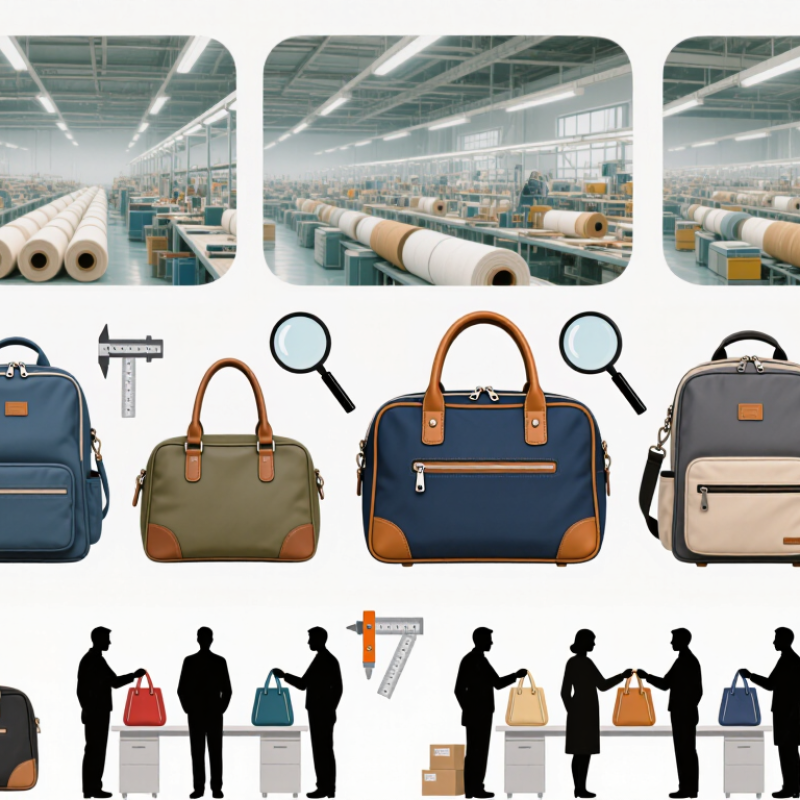
BM bags are a commercial term, not one universal product specification. Buyers should clarify the intended use: retail display, daily carrying, travel, or promotional distribution. Material, handle construction, stitching, and load capacity shape performance. A bag that looks sturdy on a desk may fail when carried in rain or loaded with bottles. Small details matter.
These products connect manufacturers with retailers, importers, and event suppliers across global markets. The WTO’s Global Trade Outlook and Statistics 2025 reported that merchandise trade volume grew 2.9% in 2024, underscoring the scale of cross-border trade. For product classification, UN Comtrade records relevant containers under HS 4202, though not every shopping bag belongs in that category. Buyers comparing Chinese suppliers should request material specifications, sample measurements, packing details, and test results. Then check that mass-production samples match the approved sample. This step is easy to overlook.
Tip: Ask for a filled-bag load test and clear photos of seams and handles. Confirm dimensions in writing. A sample is useful, but it cannot prove every production run will be consistent; buyers should plan checks before shipment.
How to Evaluate Chinese BM Bag Suppliers
A polished sample is only a starting point. Ask suppliers to identify the actual production site, explain which steps they subcontract, and provide recent inspection records. Check business registration and export references against the factory’s name and address. Then test a sample for seam strength, color transfer, zipper function, and lining defects. Keep the approved sample as a written production reference. Looks matter. So does what is inside.
Request a clear production schedule, material specifications, and written defect-handling terms. Ask how inspectors record defects and what happens when a batch misses agreed limits. A third-party audit can help, but its date, scope, and factory address matter. Country-level logistics data cannot certify one supplier: the World Bank’s 2023 Logistics Performance Index gave China a score of 3.7 out of 5, ranking it 19th. Treat that as context, not a delivery guarantee. The WTO’s April 2024 Global Trade Outlook projected merchandise trade volume growth of 2.6% for 2024, following a 1.2% decline in 2023. Demand shifts can unsettle schedules. I would still verify lead times with a small trial order; even detailed paperwork can miss a production bottleneck.
A practical comparison checklist for assessing potential suppliers. The criteria below are evaluation factors, not a ranking of named companies.
| No. | Evaluation Dimension | What to Assess | Evidence or Buyer Check |
|---|---|---|---|
| 1 | Product Specialization | Whether the supplier regularly makes the relevant bag types, construction methods, and intended-use categories. | Review recent product examples, construction details, and production samples. Confirm that examples are the supplier’s own work and representative of current capabilities. |
| 2 | Material and Specification Control | Whether materials, dimensions, colors, hardware, linings, and tolerances are clearly defined before production. | Request a written specification sheet and material details. Confirm how substitutions are approved and how material lots are identified. |
| 3 | Sample-to-Production Consistency | Whether bulk goods can be produced to the approved sample and agreed specifications. | Approve and retain a signed or otherwise clearly identified reference sample. Compare pre-production and production samples against the same specification. |
| 4 | Quality-Control Process | How incoming materials, in-process work, and finished products are checked, and how defects are recorded and corrected. | Ask for the inspection checklist, defect classification, inspection records, and corrective-action process. Agree on inspection criteria before placing an order. |
| 5 | Production Capacity and Lead Time | Whether available capacity and the proposed schedule fit the order quantity, seasonal demand, and shipping plan. | Request a production schedule showing key stages, order assumptions, and contingency time. Confirm capacity for the specific product and period rather than relying only on a general factory figure. |
| 6 | Minimum Order Quantity and Cost Clarity | Whether minimum quantities, tooling or setup charges, packaging costs, and price breaks are transparent. | Request a written quotation that identifies the product specification, order quantity, unit price, excluded costs, payment terms, and quotation validity period. |
| 7 | Destination-Market Compliance | Whether the product and its materials meet requirements that apply in the buyer’s destination market and intended use. | Identify applicable requirements for the product and destination before ordering. Request relevant, current test reports or declarations and verify that they cover the actual materials and product configuration. |
| 8 | Export and Shipping Readiness | Whether the supplier can coordinate agreed export arrangements and provide accurate shipment information and documents. | Confirm the Incoterms® rule and named place, packing details, shipment schedule, and responsibility for export procedures. Check that commercial documents match the order and shipment. |
| 9 | Customization and Change Management | How the supplier handles custom sizes, colors, logos, packaging, design changes, and approvals. | Document each approved change in writing, including its effect on price, sample approval, materials, and lead time. Clarify who owns or may use buyer-provided artwork and specifications. |
| 10 | Communication and After-Sales Support | Whether the supplier responds clearly, keeps commitments, escalates production issues, and handles quality claims constructively. | Agree on response contacts, update frequency, claim deadlines, evidence requirements, and remedies before production. Assess communication during sampling and order planning. |
Buyer tip: Compare suppliers using the same product specification, quantity, delivery terms, and inspection requirements. Verify documents and claims independently where appropriate; a certificate or test report should match the relevant product, materials, scope, and validity period.
These ten anonymized supplier profiles highlight different strengths buyers may encounter when sourcing BM bags in China. They are capability snapshots, not a verified ranking; confirm each company’s current products, factory address, and export experience.
Details matter.
Ask for close-up photos of seams, zipper pulls, lining, and packed cartons. Request a pre-production sample and compare its measurements with your specification sheet. A polished sample does not guarantee consistent bulk quality; that is an easy assumption to make. Confirm material composition, lead time, inspection steps, and who handles defects in writing before placing an order.
Top 10 BM Bags Suppliers in China for Global Buyers?
A useful supplier comparison looks beyond product photos. Check whether each company offers the bag styles, fabrics, linings, and hardware your order needs. Ask for a current product catalog and a sample made with the proposed materials. A neat sample is useful, but it cannot prove every production batch will match. Confirm how the supplier checks stitching, dimensions, and color consistency before shipment.
Customization can mean more than adding a logo. Ask about fabric choices, pocket layouts, closures, packaging, minimum order quantities, and sample fees. Get specifications and approved changes in writing. Compare suppliers’ responses, not just their quoted prices. A fast reply is encouraging, but vague answers deserve a follow-up. Small details get missed.
Tips: Request a sample and a written quotation with itemized costs. Check whether the supplier explains lead times, sample approval, packing details, and export documents. Ask who handles shipping coordination and how delays are reported. A clear process matters. Still, no checklist removes every risk; allow time to inspect samples and confirm details before placing a larger order.
When evaluating BM bags suppliers in China, verify the factory behind the sales contact. Request its registered business details, production address, and a live video tour showing cutting tables, sewing lines, and finished-goods storage. Ask how many units it can produce each month, and compare that figure with its staff and equipment. Request recent inspection records and references from buyers with similar order sizes. A polished showroom is not proof of reliable production. Check the details.
Before placing a bulk order, agree on a written specification covering dimensions, fabric composition, color references, stitching, hardware, packaging, and acceptable defect levels. Order a sample and test its seams, zippers, lining, and measurements against that document. Keep dated photos and signed approvals. It sounds basic, but small changes can cause real disputes. Confirm the production schedule, inspection point, shipping terms, and payment milestones in writing. Use a third-party inspection when the order value warrants it, and avoid paying the full balance before quality checks. No single check removes risk; I would treat even a good sample as evidence, not a guarantee. Compare several suppliers, document every decision, and leave time for corrections before shipment.