Top 10 Reasons to Choose a Wooden Playground for Your Kids
Choosing the right playground for children can be a daunting task. A wooden playground stands out among various options available. It offers safety, durability, and a connection to nature. Parents often seek an environment where children can play and learn simultaneously.
Wooden playgrounds provide a tactile experience that plastic or metal cannot match. They inspire creativity and imaginative play, allowing kids to build their worlds. The warmth of wood invites children to explore new adventures. Many families notice that kids are drawn to wooden structures, perhaps due to their natural appearance.
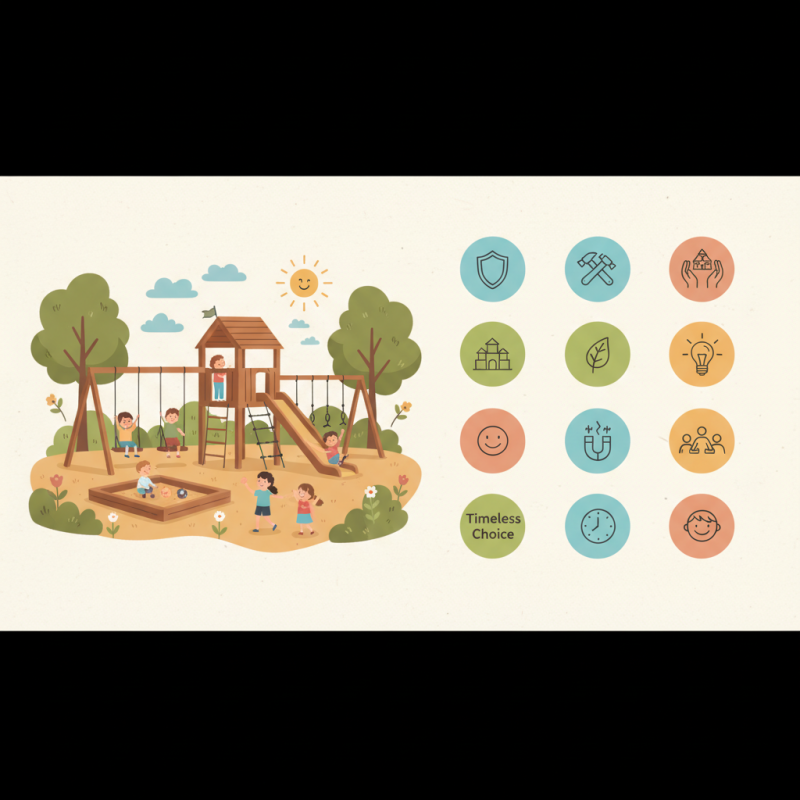
However, it's essential to consider maintenance. Wooden playgrounds can require regular care to prevent wear and tear. Also, some might worry about safety features and durability. Yet, these challenges lead to rewarding experiences. The charm of a wooden playground can foster a sense of community and belonging in kids. It represents a timeless choice that brings countless smiles.
Benefits of Natural Aesthetics in Wooden Playgrounds for Child Development
The charm of wooden playgrounds lies in their natural aesthetics, which greatly benefit child development. Kids are naturally curious. They engage more when surrounded by earthy textures and colors. Wooden structures blend seamlessly into outdoor settings. This connection fosters a sense of belonging and comfort. Children often feel a part of nature. They create imaginative games and stories based on their surroundings.
The tactile experience of wood is distinct. Children can feel the grain under their fingers. This sensory interaction can stimulate their cognitive development. However, maintenance can be tricky. Wood can splinter or warp over time. Regular checks are essential. Parents must stay vigilant.
Still, when cared for properly, wooden playgrounds offer an inviting space for exploration and creativity. Kids often love the warmth of wood. They find comfort in playing around it. It's a canvas for their imagination, inviting them to climb, build, and discover.
Comparison of Safety Standards: Wood vs. Metal and Plastic Play Structures
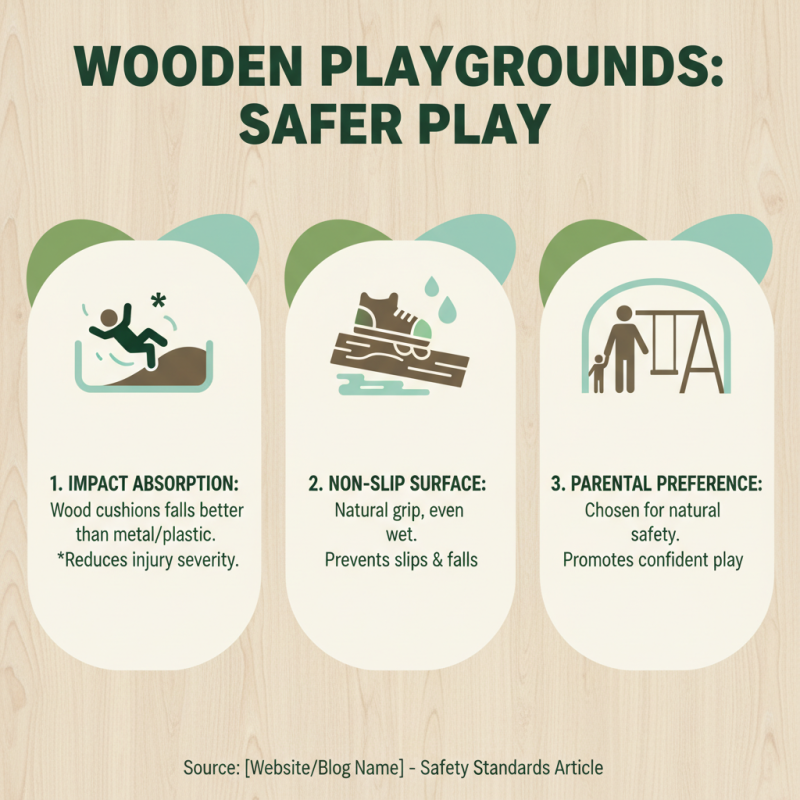
When it comes to safety standards, wooden playgrounds often shine bright. The natural material tends to absorb impact better than metal and plastic structures. This is crucial for preventing injuries when kids play. Wood surfaces are also less slippery, especially when wet. This fact makes wooden playgrounds a preferred option for many parents.
In contrast, metal structures can heat up quickly in the sun. This poses a burn risk for young children. Plastic can crack or bend, compromising the safety of the equipment. Some may argue that wood requires maintenance, such as sanding and sealing. However, regular upkeep can enhance its durability. With the right care, a wooden playground can outlast its metal and plastic counterparts. The trade-off seems worth it when considering long-term safety and enjoyment.
Durability of Wooden Playgrounds: Industry Insights on Longevity
Wooden playgrounds have gained popularity for their durability and natural beauty. When properly maintained, they can last for decades. Many parents admire the resilience of high-quality wood. It withstands harsh weather conditions, unlike plastic or metal alternatives. However, wood does require care and regular inspections. Splinters or rot can creep in if neglected.
Proper maintenance includes sealing and staining the wood. This helps prevent moisture damage and extends its life. Wooden structures can fade over time, losing their vibrant appearance. Therefore, choosing the right type of wood matters. Certain species resist wear better than others. Moreover, reinforced joints and hardware contribute to longevity.
Kids love the feel of wood as they climb and explore. It offers a tactile experience that synthetic materials cannot match. Yet, safety should always be a priority. Ensuring that the wood is smooth and well finished is crucial. Overall, wooden playgrounds combine aesthetics with durability, providing endless fun for children. However, they also remind parents of the responsibility in upkeep.
Top 10 Reasons to Choose a Wooden Playground for Your Kids
Environmental Impact: The Sustainability of Wood in Playground Construction
Choosing wooden playgrounds for children has significant environmental benefits. Wood is a renewable resource, making it an eco-friendly choice. A report by the Forest Stewardship Council highlights that sustainably sourced wood can lower carbon footprints by nearly 50%.
Wooden playgrounds require less energy to produce than plastic or metal structures. Manufacturing processes for these materials often involve fossil fuels and generate considerable waste. In contrast, wood can be locally sourced, reducing transportation emissions. This aspect directly contributes to a healthier planet for future generations.
However, not all wood is equal. It is crucial to ensure that wood comes from sustainable forests. Mismanagement in timber harvesting can lead to deforestation and habitat loss. A study from the World Resources Institute shows that over 13 million hectares of forest are lost each year due to unsustainable practices. Parents and communities must remain vigilant in advocating for responsible sourcing in playground construction.
Psychological Benefits of Outdoor Play in Wooden Environments for Kids
Outdoor play has profound psychological benefits for children. Research shows that children who engage in outdoor play exhibit improved mood and reduced stress levels. A study published in "Child’s Health" noted that children spent 50% more time outdoors report feeling happier and more relaxed. Wooden playgrounds offer a natural environment that fosters creativity and imaginative play.
In a wooden setting, kids often find themselves immersed in sensory experiences. The textures of wood, the sounds of rustling leaves, and the sights of nature promote mindfulness. Data indicates that children playing in natural spaces display higher attention spans and better cognitive skills. However, not all kids have equal access to these enriching environments. Many urban areas lack sufficient outdoor spaces, which can hinder cognitive and emotional development.
Moreover, there's still a gap in understanding how different play structures influence social skills. While wooden playgrounds encourage cooperative play, children may struggle with sharing if not guided properly. Observing how kids interact can reveal areas for improvement. These reflections highlight the importance of intentional design in play spaces to enhance the psychological well-being of children.