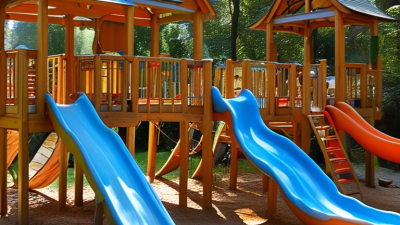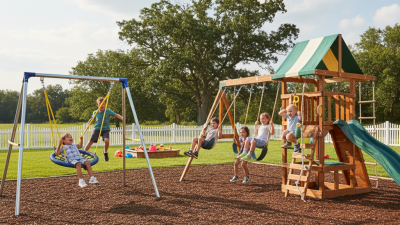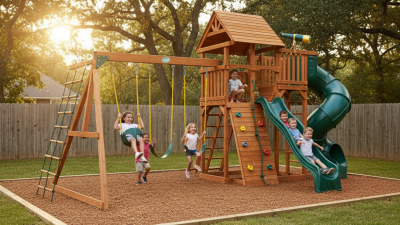
In 2026, choosing a backyard swing set is less about picking the brightest color and more about matching materials, layout, and maintenance to your household. Vinyl swing sets can offer a smooth, low-maintenance exterior, but “vinyl” does not tell the whole story. Ask what the posts cover, what supports the structure, and how the manufacturer describes weather resistance. Details matter. A vinyl finish over a sturdy frame may perform differently from a product with unclear construction or limited documentation.
Start by measuring the play area, overhead clearance, and ground around every swing path. Then compare weight limits, age guidance, anchoring requirements, replacement-part access, and warranty terms. Look for clear assembly instructions and product information, not just polished photos. Small print matters. Check how seats, chains, connectors, and climbing features are made, since these parts face regular movement and changing weather. If possible, review the set in person or request close-up images of its joints and finish edges. That can reveal details a product page misses.
This guide explains how to compare vinyl swing sets with practical questions rather than broad promises. It considers climate, available space, family needs, and long-term upkeep. No single design suits every yard. A lower-maintenance surface may still need routine inspection, and a higher price does not automatically mean better construction. Use manufacturer specifications as a starting point, then compare them with your actual site and expectations.
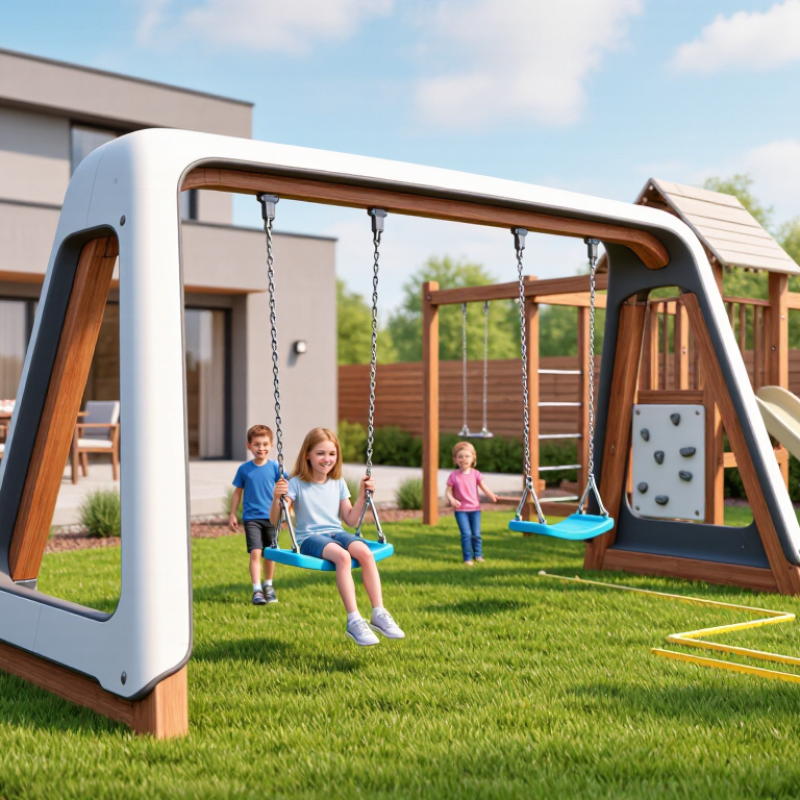
Before comparing vinyl swing sets, picture an ordinary afternoon: two children taking turns, a caregiver nearby, and wet shoes on the patio. How many children will use the set at once? What are their ages, sizes, and interests? A toddler’s needs differ from a school-age child’s, and a set built for one frequent user may feel crowded with three. Measure the yard, including the clear space around swings and the route for bringing equipment into the yard. Measure twice. It is easy to focus on the frame and forget the gate.
Think about how the set will actually be used. Quiet swinging, climbing, and group play call for different features. The Outdoor Industry Association’s 2024 Outdoor Participation Trends Report counted 175.8 million U.S. outdoor recreation participants. That broad figure does not predict swing-set use, but it shows how common outdoor activity is. For children ages 6–17, the CDC recommends at least 60 minutes of physical activity daily; a backyard set can support movement, but it cannot guarantee that routine.
Check the manufacturer’s stated user limits, anchoring instructions, and recommended clearance before choosing a layout. Consider who will supervise, whether the ground stays level after rain, and how much upkeep you can manage. Vinyl may simplify surface care, but connections and hardware still need inspection. A larger set can look impressive and still be wrong for a narrow yard. That part deserves a second look.
Before choosing a vinyl swing set, measure the usable yard, not just the open patch of grass. Mark the proposed footprint with stakes or a garden hose. Then check the full movement area for each swing. A seat travels beyond the frame. Allowances vary by design, so use the installation manual rather than guessing. Measure twice. A fence, tree trunk, patio edge, or parked vehicle can become an overlooked obstacle.
Check what lies above and below the site. Low branches and roof edges may interfere with play, while buried utility lines can affect where anchoring is possible. Contact the appropriate utility service before digging. The ground should drain well and be reasonably level; a soft, muddy corner may shift after rain. Small slopes can look harmless. They may not be. Confirm that the soil can support the specified anchors, and ask the installer if the site is uncertain. Also measure the route from the driveway to the yard, including narrow gates and turns. A careful sketch helps, but it can miss a low branch or hidden dip. Recheck the space on site before ordering.
Compare Vinyl Materials, Frames, and Swing Configurations
Vinyl swing sets are not all built alike. Check whether the vinyl is UV-resistant and thick enough to protect the supporting structure. A smooth surface wipes clean, but seams and joints still need regular inspection. Look beneath the vinyl, too. Galvanized steel can resist rust, while treated wood offers a more traditional feel and may need periodic care. Ask for clear material and load specifications rather than relying on appearance alone. Small details matter.
The frame should suit your yard, soil, and expected use. A broad base can improve stability, but installation and anchoring still count. Measure the full swing path, including space behind and beside each seat. Then compare configurations: belt swings need room to move, while a glider or small platform swing may suit younger children. Leave room for growth. It is easy to choose more seats than your yard can comfortably handle.
Tips: Check fasteners and vinyl joints before each season. Look for cracked covers, loose hardware, and worn swing chains. A quick inspection takes minutes. If the set feels unstable, stop using it until the cause is checked. I might be tempted by a colorful layout, too, but shade, drainage, and clearance deserve equal attention.
Evaluate Safety Standards, Weight Limits, and Maintenance
A vinyl covering can resist splinters, but it does not make a swing set maintenance-free. Check whether the set is designed and tested to ASTM F1148-22, the standard for home playground equipment. Ask for written documentation, not just a sales claim.
CPSC’s 2022 NEISS estimates recorded about 145,500 emergency-department visits involving playground equipment; that figure covers equipment broadly, not vinyl home sets alone. Still, it is a useful reminder that falls and impacts deserve serious attention.
Read the posted weight limit for each seat and the whole structure. A child’s growing weight, plus an adult pushing from the frame, can change the load. Keep limits visible. Inspect anchors, bolts, chains, and seat connectors before use, and look closely where vinyl sleeves meet joints. A neat exterior can hide a loose fastener or moisture damage underneath. I would not judge stability by appearance alone.
Maintenance is practical, not glamorous.
Rinse dirt from the vinyl, use mild soap, and avoid harsh cleaners unless the manufacturer approves them. Check for cracks, chalking, sharp edges, loose caps, and exposed wood after winter and storms. CPSC’s Public Playground Safety Handbook emphasizes regular inspection and safe surfacing around equipment; its guidance is mainly for public playgrounds, so confirm home-set instructions too.
Soft ground matters. And yes, inspections can feel repetitive. That is exactly why they get skipped.
When comparing vinyl swing sets in 2026, look beyond the displayed price. Request an itemized quote covering freight, anchoring hardware, installation, and taxes. A low sticker price can change quickly once delivery is added. Ask whether the vinyl is UV-resistant and how the frame handles moisture and temperature changes. Small details matter.
Compare warranty terms line by line. Check coverage periods for the frame, vinyl components, ropes, and hardware, plus exclusions for fading, cracking, weather, and normal wear. Ask who pays labor and shipping if a replacement part is approved. CPSC estimates that playground equipment is associated with about 200,000 emergency-room-treated injuries to children annually; this figure covers playground equipment broadly, not vinyl sets alone. Still, it makes clear why sturdy construction and timely replacement parts matter. Ask directly.
Support can be harder to judge than materials. Before buying, contact the seller with a practical question about a missing bolt or damaged panel. Note how quickly and clearly they respond. Get the support process in writing, including parts availability and typical response times. I would not treat a long warranty as proof of dependable service; the fine print can disappoint, and I have seen buyers overlook delivery costs. Compare the full ownership cost, not just the first invoice.
Indicative U.S. retail price ranges for planning purposes; actual prices vary by size, configuration, shipping, and seller. Prices below generally exclude tax, site preparation, and installation. Warranty coverage and support differ by product, so confirm the written terms before purchase.
| Set Type or Feature | Indicative Price Range (USD) | Warranty Terms to Check | Support to Confirm | Best Fit |
|---|---|---|---|---|
| Compact set with basic swings | $1,500–$3,000 | Check separate coverage for the frame, vinyl coating, hardware, and swing seats. Coverage periods may differ by component. | Parts ordering, assembly instructions, and help identifying replacement hardware. | Smaller yards and households seeking a straightforward play setup. |
| Mid-size set with slide and climbing feature | $3,000–$6,000 | Verify whether the warranty covers structural defects only or also cracking, fading, or other material issues. | Assembly guidance, missing-part resolution, and clear instructions for submitting a claim. | Families looking for a mix of swinging, sliding, and climbing activities. |
| Large multi-activity set | $6,000–$10,000+ | Confirm coverage limits, exclusions, transferability, required maintenance, and whether commercial use is excluded. | Delivery coordination, installation options, and access to replacement parts over time. | Larger yards or households that want several play options in one structure. |
| Delivery and freight | Often quoted separately; cost depends on distance, shipment size, and delivery service. | Ask whether transit damage is covered and how quickly damage must be reported. | Confirm delivery appointment requirements, unloading arrangements, and what to do if a shipment is incomplete or damaged. | All buyers, especially those ordering large or heavy sets. |
| Professional assembly or installation | Often an additional charge; obtain a site-specific quote. | Ask whether installation workmanship has its own warranty and whether third-party installation affects product coverage. | Confirm site inspection, anchoring, cleanup, and responsibility for permits or utility checks. | Buyers who prefer not to assemble the set themselves or need help with anchoring. |
| Replacement seats, ropes, hardware, or accessories | Varies by part, material, and availability. | Check whether replacement parts carry new coverage or remain subject to the original warranty. | Ask for part numbers, ordering steps, expected availability, and compatibility guidance. | Owners planning for routine repairs or future accessory changes. |
| Before buying, request a written, component-by-component warranty; compare total delivered and installed cost; and confirm how to reach support after the sale. | ||||