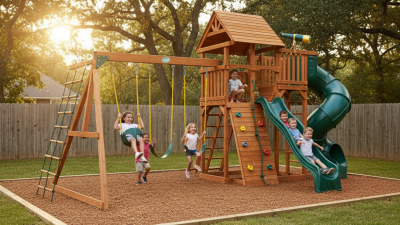
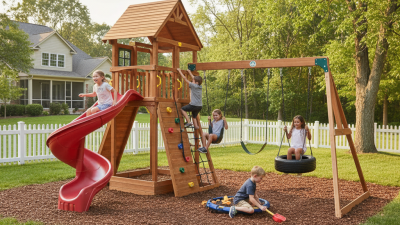
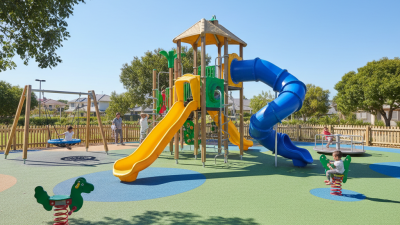
2026 How to Choose the Best Playground Equipment for Your Kids?
Choosing the right playground equipment for your kids can be overwhelming. There are countless options on the market today. Each piece of equipment offers distinct benefits. Parents want their children to be safe while having fun and developing important skills.
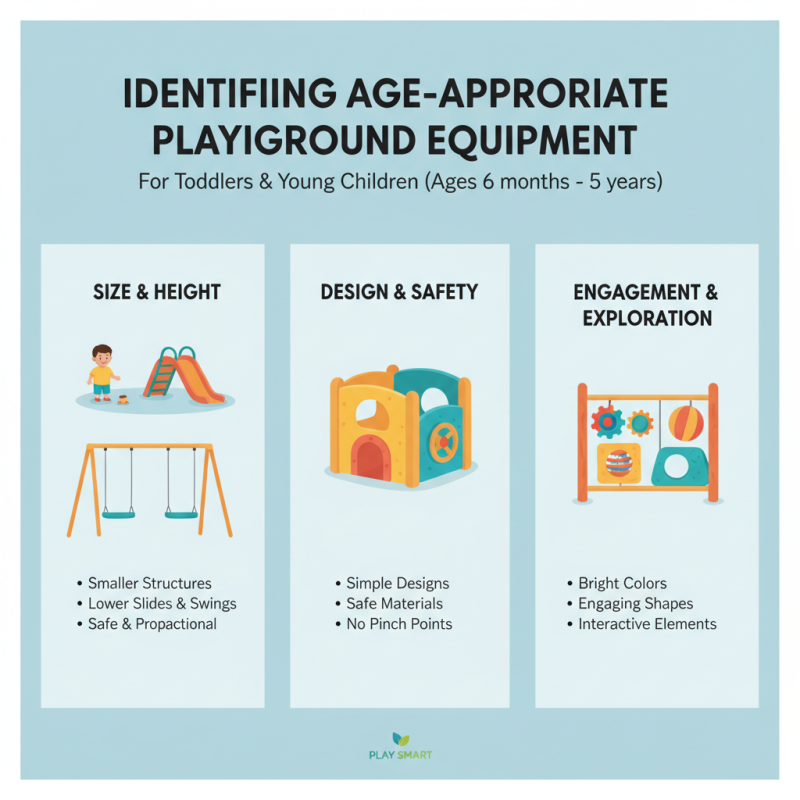
Consider age-appropriateness when selecting playground equipment. What works for toddlers may not suit older children. Look for equipment that promotes physical activity. Slides, swings, and climbing structures encourage movement and social interaction. Safety features like soft landing zones are crucial to prevent injuries.
It’s vital to assess the durability and maintenance of the equipment. Not all playground equipment is created equal. Some materials may deteriorate quickly in outdoor settings. Researching top brands and reading reviews can provide insight. In the end, investing in high-quality playground equipment ensures a safer and more enjoyable experience for your kids. Your choices can create lasting memories and foster a love for active play.
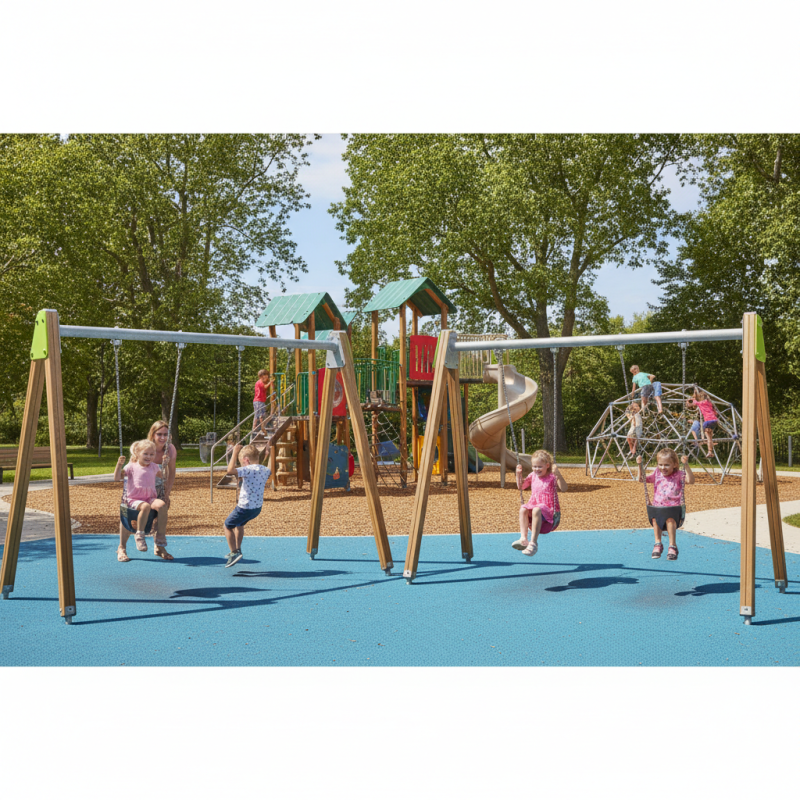
Understanding the Importance of Quality Playground Equipment for Kids
Choosing quality playground equipment is vital for children’s safety and enjoyment. Durable materials ensure that structures can withstand heavy use. Look for equipment that meets safety standards. However, it’s easy to overlook smaller details. For instance, sharp edges can cause injuries. Always inspect for potential hazards.
Moreover, the design should encourage imaginative play. Open-ended structures can stimulate creativity. Yet, not all equipment facilitates this. Some may be too focused on climbing or sliding, neglecting balance and coordination. It’s crucial to explore different types of play activities. Diverse options cater to children’s varying interests and abilities.
Finally, involve your kids in the decision-making process. Their preferences matter. They may have specific likes or dislikes. Keep in mind, children may not always articulate their needs well. Observe how they play. Sometimes, what looks appealing may not support their growth. Quality equipment fosters both fun and development, creating lasting memories.
Evaluating Safety Standards and Materials for Playground Equipment
Choosing playground equipment involves careful consideration of safety standards and materials. Safety is paramount, as it directly impacts children's well-being. Look for equipment that meets recognized safety guidelines. These standards help minimize risks for children during play.
Materials play a crucial role in ensuring durability and safety. High-quality plastics and metals should be the first choice. Wooden structures may lack longevity unless treated properly. Check for splintering or potential hazards. The finishes should be non-toxic and weather-resistant. While these requirements can elevate the cost, they may prevent accidents and injuries.
While evaluating, imperfections may arise. Some equipment could look safe but may not pass rigorous testing. Regular inspections are necessary after installation. Watch for wear and tear, especially on high-use apparatus. Sometimes, the most affordable options cut corners on safety features. Investing in reliable playground equipment today pays off in peace of mind tomorrow.
Considering Space and Layout for Your Playground Setup
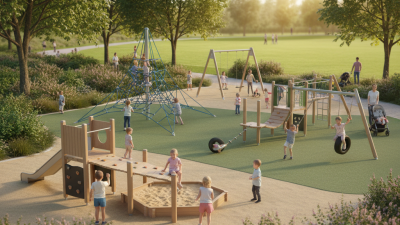
When planning a playground, space and layout are crucial. Start by measuring your area carefully.
Consider the size and shape of the equipment you want to include. It’s essential to leave adequate room around
each piece for safe play. Kids need space to run and explore, so don't crowd the equipment together.
Think about how the layout will impact play dynamics. Arranging equipment in a way that encourages
social interaction is important. For example,
place swings near climbing structures. This promotes natural engagement among children.
However, be wary of potential congestion points. Too many kids in one area can lead to accidents.
Designing a playground should be creative yet practical.
Any landscape features can enhance play but shouldn’t obstruct visibility. Natural elements help kids
connect with nature. Still, you must balance these with safety and accessibility. Reflect on how different
layouts affect children's behavior and safety. Adapting to the space available is key. A thoughtful layout
ensures kids have a joyful and safe experience.
Budgeting and Maintenance Tips for Long-lasting Playground Equipment
Choosing the right playground equipment for your kids involves careful budgeting and maintenance considerations. The cost of quality equipment ranges significantly. A study from the Consumer Product Safety Commission notes that well-maintained playgrounds reduce injury rates by over 50%. Investing in durable materials can save money in the long run. For instance, metal or high-density plastic can withstand harsh weather and extensive use.
Routine maintenance is crucial. Inspect equipment for wear and tear regularly. Some reports indicate that 75% of playground injuries occur due to inadequate supervision and maintenance. Simple tasks like tightening bolts and checking safety surfacing can prevent accidents. A budget of $200 annually for upkeep is often suggested by industry experts. This ensures the equipment remains safe and enjoyable for children.
Consider community resources as well. Joining local partnerships can help spread maintenance costs. Some parks offer free maintenance workshops, providing valuable tips. However, not every community actively engages in these initiatives. Reflecting on these aspects can guide you in making sustainable choices for your playground investment.
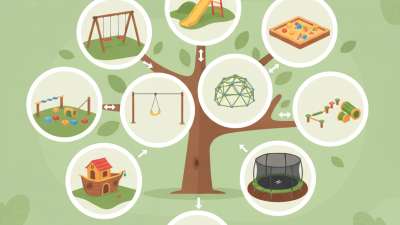
Playground Equipment Choices by Age Group