How to Choose the Best Perfume Atomizer in 2026?
Choosing the best Perfume Atomizer in 2026 requires more than comparing attractive designs. A reliable atomizer should protect fragrance quality, prevent leaks, and produce a fine, even mist. Its size also matters when it sits beside a laptop, inside a handbag, or in a jacket pocket.
Real-world testing reveals details that product photos often hide. Check whether the refill mechanism feels secure and whether the cap stays attached during travel. Spray the atomizer several times. The mist should feel light, not wet or uneven. Aluminum models are usually durable, while glass reservoirs may preserve a premium appearance and clear fragrance visibility.
Material quality deserves careful attention. Look for smooth seams, a firm valve, and seals that do not loosen after repeated use. A practical design should also allow simple cleaning between fragrances. However, not every “leak-proof” claim performs equally well. Small differences in pressure, temperature, and handling can change results.
Expert reviews, manufacturer specifications, and verified customer experiences can provide useful evidence. Still, personal testing remains valuable because fragrance habits differ widely. Some users prefer ten-milliliter travel bottles, while others need compact atomizers for occasional touch-ups. No guide is flawless. Even a well-reviewed product may feel awkward in daily use.
This guide examines capacity, refill systems, spray quality, materials, durability, portability, and overall value. It focuses on safe, lawful fragrance use and practical ownership. The ideal choice should feel dependable in the hand, fit naturally into daily routines, and keep every spray controlled. Small details matter.
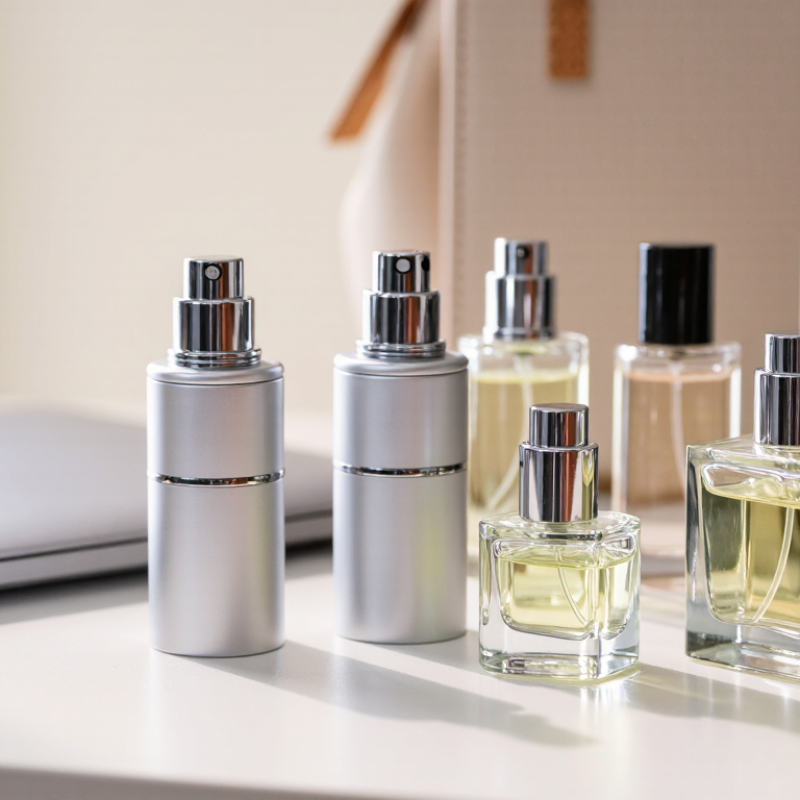
Perfume Atomizers: Definition, Purpose, and Main Types
Perfume Atomizers: Definition, Purpose, and Main Types
A perfume atomizer is a small container that turns liquid fragrance into a fine spray. Its pump draws liquid through a narrow tube and releases it as droplets. This makes application easier to control than pouring, while helping spread fragrance across a wrist or collar. Atomizers also make it practical to carry a small amount for travel or touch-ups. They are not all equally leak-resistant, though; a loose cap or poor seal can leave a scented mess in a bag.
Common types include refillable pump atomizers, compact travel sprays, and bulb-style atomizers. Refillable models are useful for regular use, but filling them can be fiddly if the opening is narrow. Travel sprays are usually light and simple to store. Bulb-style designs use a squeeze bulb to move air and disperse fragrance, giving a distinctive, softer spray. The right type depends on how often you use it, how much fragrance you need, and whether easy cleaning matters. Some details are easy to overlook.
Tips: Check that the atomizer’s materials are suitable for fragrance, and test the seal with water before filling it. A fine, even mist is generally easier to apply than a strong stream. Clean refillable parts according to the maker’s instructions, and avoid mixing different fragrances in one container.
Key Features to Compare When Choosing a Perfume Atomizer
How to Choose the Best Perfume Atomizer in 2026?
Key Features to Compare When Choosing a Perfume Atomizer
The fragrance market is expanding, but an attractive bottle is not automatically a practical atomizer. Grand View Research valued the global fragrance market at USD 50.85 billion in 2022, with a projected 5.9% annual growth through 2030. This growth increases the need for reliable dispensing, not decorative packaging alone.
Test the spray pattern first. A fine, even mist should cover the skin without wet spots. Press the actuator repeatedly with one finger. It should feel firm, not loose or sticky. Check the closure around the pump and cap. A small leak can ruin a handbag, even when the scent smells excellent. Glass usually offers stronger chemical resistance, while quality plastic can reduce weight and breakage. Material compatibility still depends on the fragrance formula.
Look for refillable construction, a secure valve, and a capacity suited to daily use. Ten milliliters may fit travel routines, but frequent users may need more. Smithers’ global packaging research highlights continuing pressure to reduce material waste and improve packaging efficiency. That makes refillability worth comparing, although refill systems are not always simple to clean. I would also inspect the atomizer under warm conditions and after several sprays. Laboratory data matters, but real handling reveals weaknesses. A perfect-looking mechanism can still fail in practice.
Materials, Capacity, Portability, and Refill Mechanisms
How to Choose the Best Perfume Atomizer in 2026?
A reliable perfume atomizer should match your daily routine, not only its appearance. Aluminum feels light and resists accidental drops, while glass offers better chemical stability and a clearer view of remaining fragrance. I have found that poorly fitted plastic parts may affect scent quality over time. However, material performance depends on manufacturing quality, not material labels alone.
Capacity changes convenience. A 5 ml atomizer fits a small pocket and usually covers several days of touch-ups. Larger 10 ml models suit travel bags but feel heavier during commuting. Check the spray pattern, too. A fine mist spreads evenly, while a weak nozzle may leave wet spots on skin or fabric.
Refill mechanisms also deserve close attention. Bottom-fill designs are quick, but they require a compatible perfume bottle. Funnel-fill models work more broadly, although they can spill without steady hands.
Tips: Test the cap before buying. It should close firmly without scraping. Inspect the refill valve for leaks, especially around the base. Keep one filled for several days before judging its durability. My own preference has changed after a supposedly convenient model leaked inside a bag. Small details matter. A washable interior would be useful, but many atomizers are difficult to clean completely. That limitation deserves honest consideration when changing fragrances often.
How to Maintain, Clean, and Safely Store a Perfume Atomizer
A good perfume atomizer should feel secure in your hand, seal tightly, and spray a fine, even mist. Check the cap, nozzle, and refill opening before buying. A loose cap can turn a small bottle into a scented mess inside your bag. Glass shows the remaining liquid clearly, while a protective sleeve helps reduce chips and scratches. Small details matter.
Clean the atomizer when changing fragrances, or when the spray becomes uneven. Follow the maker’s cleaning instructions, since parts and seals vary. For a refillable model, empty it and rinse only if the instructions allow. Let every part air-dry completely before adding perfume. Even a little leftover water can alter the scent. Be patient. I have found that rushing this step often means doing it twice.
Store the bottle upright in a cool, dry drawer, away from direct sunlight, radiators, and steamy bathrooms. Heat and light may affect fragrance over time. Keep the cap firmly in place, and check for dampness around the nozzle before travel. A small sealed pouch offers extra protection. Don’t overfill it; leave room for the sprayer mechanism. There is no perfect routine, and some atomizers are simply harder to clean than others.
Perfume Atomizer Care: Approximate Hands-on Time
These practical time estimates help plan routine care; actual cleaning time depends on the atomizer’s design and condition. Follow the manufacturer’s instructions, and let parts dry completely before refilling.