How to Choose the Best Playground Accessories for Kids?
Choosing the right playground accessories is crucial for enhancing children's play experiences. According to the 2021 Outdoor Play Equipment Market Report, the playground accessories segment is projected to grow significantly, indicating a rising focus on enriching outdoor play. Safety and engagement are key factors that parents consider; an estimated 75% of parents prioritize secure and innovative equipment for their children.
Investing in quality playground accessories not only fosters creativity but also encourages physical activity. A study published by the American Academy of Pediatrics highlights that active play helps in developing motor skills and overall health in children. However, it can be challenging to navigate the myriad of options available. Parents may find themselves overwhelmed, as not all accessories provide the same benefits or safety features.
Reflecting on the balance between fun and safety is essential. While colorful slides and swings attract kids, they must meet safety standards. It's vital to ensure that accessories are durable yet appropriate for the age group they serve. Understanding these aspects will empower parents to make informed decisions that promote joyful and safe play.
Understanding the Different Types of Playground Accessories Available
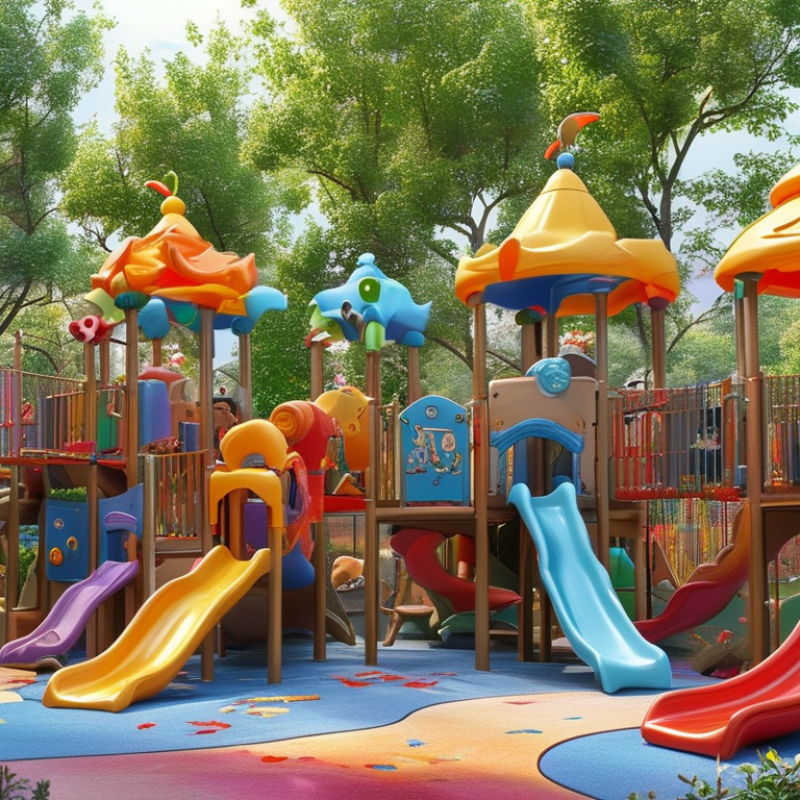
When selecting playground accessories, it's essential to understand the various options available. Playground accessories can enhance children's play experiences. From swings to slides, each piece adds unique value. According to the International Play Equipment Manufacturers Association, the right accessories foster creativity and physical activity.
Swings are a classic choice, promoting balance and coordination. They come in various styles, such as bucket swings for toddlers and traditional swings for older kids. Climbing structures, another popular accessory, enhance strength and problem-solving skills. A report by the American Academy of Pediatrics emphasizes that climbing promotes critical motor skills.
Safety is paramount when choosing accessories. Accessories must meet safety standards to prevent accidents. For example, materials should be durable and non-toxic. Inadequate maintenance can lead to wear and tear, making some accessories risky. Regular inspections are crucial to ensure the playground remains safe and enjoyable. Understanding these elements helps caregivers make informed decisions for children's play environments.
Choosing the Best Playground Accessories for Kids
This chart illustrates the different types of playground accessories that are popular among children and their respective popularity ratings based on surveys.
Assessing Safety Features in Playground Accessories for Children
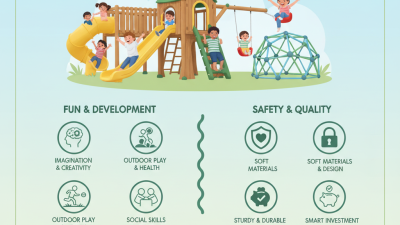
When selecting playground accessories for kids, safety features are crucial. Parents should look for products made from durable, non-toxic materials. Materials that resist harsh weather can also offer better longevity. Ensure the accessories have rounded edges to prevent injuries. Avoid sharp corners that can cause cuts or scrapes.
In addition to materials, consider the design. Look for sturdy support structures that can withstand rough play. Accessories should be tested for stability to avoid tipping or collapsing. Check for compliance with safety standards, which vary by region. Regularly inspect the equipment for wear and tear, as even minor damages can pose risks.
A well-designed playground must encourage imaginative play while maintaining safety. Accessories should be accessible for children of various ages. It’s worth assessing how different accessories interact. For example, swings need sufficient space around them. Reflecting on these details ensures every child can enjoy a safe and engaging play environment.
Evaluating Age Appropriateness for Playground Accessories
Choosing the right playground accessories for kids involves understanding their developmental stages. Age appropriateness is crucial for safety and fun. For example, accessories designed for toddlers should emphasize stability and simple interactions. Meanwhile, older children benefit from more challenging structures that enhance physical coordination. National studies indicate that more than 70% of playground injuries result from inappropriate equipment for the user’s age.
When selecting items like slides or swings, consider the recommended age range. Accessories should match kids' physical and cognitive abilities. Experts recommend that equipment for younger children be lower to the ground and made of softer materials to reduce the risk of injury. Statistics show that playgrounds with age-appropriate equipment have at least 50% lower injury rates.
Despite this, many playgrounds still mix equipment designed for different age groups. This can lead to dangerous situations, as younger kids might attempt to use equipment meant for older ones. Continuous assessment of playground setups is necessary, as even minor adjustments can significantly enhance safety. Monitoring children's play actively can also provide insights into their developmental needs and ensure that fun does not compromise safety.
Considering Space and Layout When Choosing Playground Accessories
When choosing the best playground accessories, space and layout play critical roles. A recent study from the American Society of Landscape Architects indicates that the spatial organization of playground equipment can significantly affect children's play behavior. Equipment spaced too closely can lead to overcrowding and safety concerns. In contrast, well-planned layouts allow for free movement and exploration, providing kids with a more enjoyable experience.
Consider the age demographic of the children. Younger kids often need smaller swings and climbing structures. For them, accessible structures encourage creative play. The specific dimensions of your space should guide decisions. If space is limited, choose versatile equipment, such as multi-use playsets. These can fit into tighter areas while still offering diverse activities.
Reflect on the height and surface materials too. Equipment should match the surrounding ground cover. Safety surfacing, such as rubber mats or wood chips, can reduce injury risks. According to the Consumer Product Safety Commission, proper surfacing can reduce falls by up to 80%. Be mindful that even the best accessories need regular inspections, as wear and tear can create risks that aren't immediately obvious.
Budgeting for Quality and Durability in Playground Accessories for Kids
Choosing the best playground accessories for kids involves careful budgeting for quality and durability. According to the Consumer Product Safety Commission, playground equipment should sustain vigorous use. High-quality materials typically last longer and reduce the need for frequent replacements, saving money in the long run. The National Association of State Park Directors reported that investing in durable accessories can decrease maintenance costs by up to 30%.
When selecting accessories, consider the materials used. Look for products made from weather-resistant materials like high-density polyethylene or stainless steel. These choices can stand up to wear and tear, especially in outdoor environments. Additionally, assess the safety certifications of each product. Equipment with ASTM or CPSC certifications can enhance safety, providing assurance of quality.
Tips for budgeting wisely include comparing costs across various suppliers and considering long-term savings. Investing a bit more initially can yield better returns over time. Reflect on the importance of safety features, as cheaper alternatives may skimp on essential protective measures. Choose accessories designed for the right age group to ensure fun and safety, enhancing children's play experiences while being mindful of your budget.
How to Choose the Best Playground Accessories for Kids?
| Accessory |
Material |
Durability Rating |
Estimated Cost ($) |
Age Appropriateness |
| Swing Set |
Steel & Plastic |
High |
250 |
3+ |
| Sandbox |
Wood |
Medium |
150 |
2+ |
| Slide |
Plastic |
High |
200 |
3+ |
| Climbing Frame |
Metal |
Very High |
400 |
4+ |
| See-Saw |
Wood & Steel |
High |
180 |
3+ |