7 Best Rainbow Playsets for Schools and Parks?

Choosing among the 7 Best Rainbow Playsets for Schools and Parks requires more than comparing bright colors and price tags. A successful playset must support active movement, imaginative play, social interaction, and safe daily use. It should also fit the site, age range, maintenance budget, and community needs. Rainbow playsets can create a memorable centerpiece, but appearance alone does not guarantee quality.

Dr. Stuart Brown, founder of the National Institute for Play, has said, “The opposite of play is not work; it’s depression.” His observation explains why thoughtfully designed playgrounds matter. A rainbow structure with climbing panels, slides, bridges, and accessible routes can encourage children to test balance, cooperate, and return with new ideas. Yet the most colorful option may not be the best choice. A crowded layout can limit supervision. Poor shade planning can make metal components uncomfortable on sunny afternoons. Inadequate surfacing can also create avoidable risks.

This guide examines seven strong options for schools and public parks. Each selection is considered through practical details, including durability, inclusive access, age suitability, safety features, installation demands, and long-term care. Some judgments remain subjective. Children may prefer a smaller structure with a thrilling slide over an expensive centerpiece. That possibility deserves attention. The best rainbow playsets are not simply attractive; they are usable, maintainable, and genuinely inviting for different children throughout the year.
7 Best Rainbow Playsets for Schools and Parks?

What Makes a Rainbow Playset Suitable for Schools and Parks

7 Best Rainbow Playsets for Schools and Parks?

What Makes a Rainbow Playset Suitable for Schools and Parks

A suitable rainbow playset must balance visual appeal, safety, access, and daily durability. A bright arch is not enough. CPSC’s Public Playground Safety Handbook reports more than 200,000 annual emergency-room visits from playground injuries among children under 14. It also identifies fractures as a frequent outcome. Therefore, schools and parks should require impact-attenuating surfacing, guarded platforms, secure handrails, and fall zones designed around the equipment height. ASTM F1487 provides widely used performance guidance for public playground equipment.

Accessibility also matters. A strong design offers transfer points, ground-level activities, and routes that accommodate children with different abilities. Rainbow structures should support varied play, not just climbing. Durable powder-coated metal, UV-resistant panels, sealed fasteners, and drainable components can reduce maintenance problems. Park managers should inspect joints, surfacing depth, and sharp edges regularly. Small defects become serious during busy recess periods. I would not rely on appearance alone.

Tips: Ask the installer for load ratings, material specifications, and inspection instructions. Compare the design with current ASTM and local accessibility requirements. Leave clear sightlines for teachers and caregivers. A colorful structure can still create blind spots. Test supervision from several angles before approval. Keep records of repairs and surfacing checks. The ideal playset may be slightly less dramatic, but easier to monitor and maintain.

Seven Top Rainbow Playsets for Safe and Inclusive Public Play

Seven Top Rainbow Playsets for Safe and Inclusive Public Play

A strong rainbow playset should welcome different ages, abilities, and confidence levels.

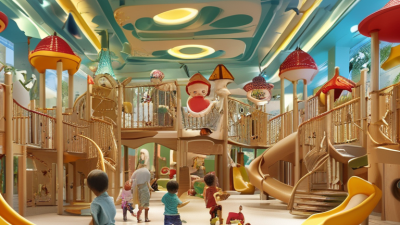
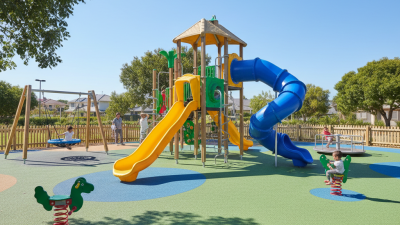
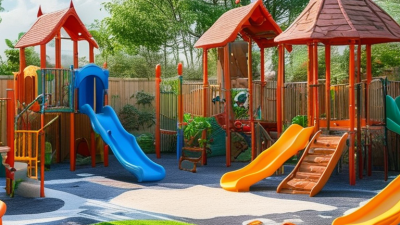
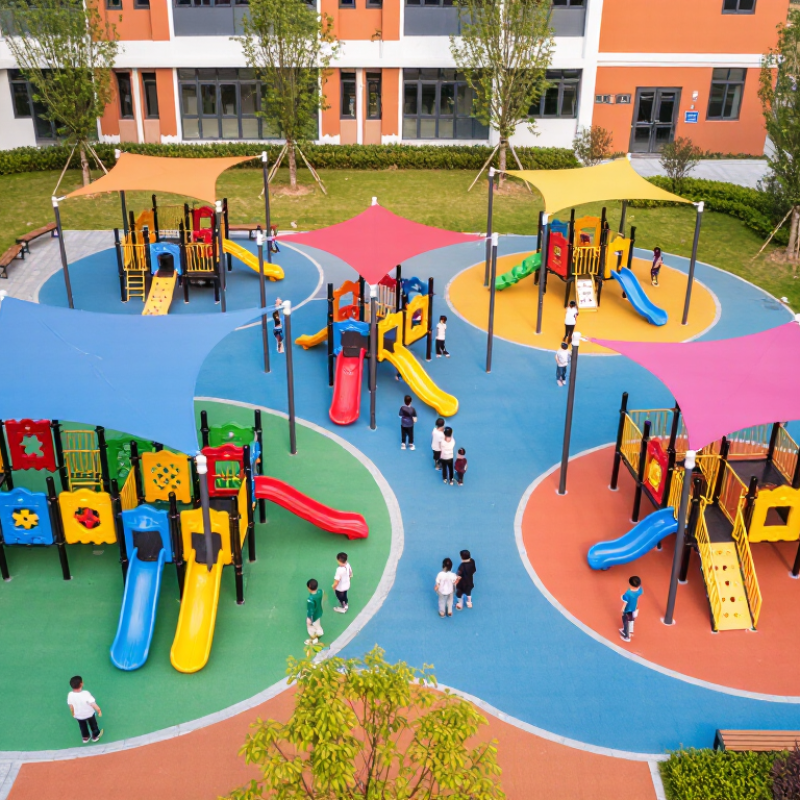
Seven practical choices include an accessible ramp tower, low-height climber, sensory play panel, wide slide, adaptive swing zone, musical activity station, and nature-themed play structure.

Bright color bands help children navigate the space, but visibility matters more than decoration.

Clear sightlines let caregivers watch from shaded benches.

Separate running paths reduce collisions near slide exits.

Safety must guide every colorful detail.

The U.S. Consumer Product Safety Commission reports roughly 200,000 playground-related emergency department visits involving children each year.

Falls account for a large share of these injuries.

Therefore, schools and parks should specify impact-attenuating surfacing, guarded platforms, secure handrails, and carefully measured fall zones.

ASTM F1487 provides a widely recognized standard for public playground equipment.

Experienced inspectors should check hardware, surfacing depth, entrapment risks, and wear before opening.

Inclusive design needs more than one wheelchair-accessible entrance.

Ground-level activities, transfer platforms, contrasting colors, and quieter retreat spaces can support varied needs.

A 2022 World Health Organization report emphasizes accessible environments as part of healthy child development.

Still, no layout serves every child perfectly.

A musical panel may delight one child and overwhelm another.

Community feedback should shape revisions after installation.

Seven play types can create choice, not guaranteed inclusion.

Key Features to Compare: Safety, Durability, Accessibility, and Age Range

Choosing among the 7 best rainbow playsets for schools and parks requires more than colorful slides. Safety should guide every comparison. Look for rounded edges, secure handrails, stable platforms, and impact-absorbing surfacing. Gaps must be narrow enough to reduce entrapment risks. Shade over climbing areas can also limit hot metal surfaces during summer.

Durability matters because public play equipment faces daily use, rain, dirt, and occasional misuse. Choose corrosion-resistant materials, reinforced joints, and replaceable components. Ask for inspection records and clear maintenance instructions. Accessibility should include transfer platforms, wide routes, supportive rails, and ground-level play features. A child using mobility equipment should reach meaningful activities, not simply watch from the side. Age range needs careful review, too. Toddlers require lower heights and simpler movement, while older children need challenging climbing and balancing elements. Mixing age groups can work, but supervision becomes harder.

Tips: Walk the site before purchasing. Notice drainage, visibility, shade, and paths from classrooms or parking areas. Test reach distances from a child’s viewpoint. Do not rely only on catalog images. A colorful layout may look excellent but create hidden supervision gaps. I have found that minor access details are easy to overlook during planning. Recheck them with children, caregivers, and maintenance staff before installation. No checklist is perfect.

How to Choose the Right Rainbow Playset for Your Community

Choosing the right rainbow playset starts with community needs, not bright colors. Measure the available footprint, shade patterns, drainage, and sightlines from benches. A busy school may need wide circulation routes and separate zones for toddlers and older children. Parks often need stronger vandal resistance and flexible capacity. CPSC surveillance found about 205,000 children received emergency treatment for playground injuries annually in the United States. Falls remain the dominant concern. Design should reduce fall height, crowding, and hidden corners.

Review each option against ASTM F1487 performance requirements and local accessibility rules. Check protective surfacing depth, transfer access, handrail spacing, and wheelchair routes. A rainbow layout can create visual excitement, but too many towers may limit supervision. Ask installers for maintenance schedules, inspection records, replacement-part availability, and climate testing. Materials should tolerate wet winters, intense sun, and repeated contact. Do not trust a glossy specification sheet alone. Real site conditions often expose weaknesses.

Tips: Invite teachers, caregivers, children, and maintenance staff to review the plan. Their priorities may conflict, which is useful. Request an independent safety inspection before opening. Keep impact-attenuating surfacing clean and level; CPSC warns that loose-fill materials can shift beneath high-use areas. Reinspect after storms and school holidays. Track minor complaints, not only injuries. A slippery ramp or confusing entrance may reveal a design problem early. The best playset is colorful, accessible, observable, and practical to maintain.

Maintenance and Safety Guidelines for Long-Term Use

7 Best Rainbow Playsets for Schools and Parks?
Maintenance and Safety Guidelines for Long-Term Use
A colorful playset needs more than attractive design. Staff should inspect it before opening each day. Check loose bolts, cracked plastic, sharp edges, exposed anchors, and damaged ropes. Walk around the structure slowly. Listen for unusual movement. A trained inspector should complete a deeper review each month, including platforms, ladders, slides, handrails, and connection points. Keep dated records with photos. These details help identify gradual damage before it becomes dangerous.
The safety surface deserves equal attention. Rake loose-fill material evenly beneath swings, slides, and climbing exits. Replace areas that become thin, muddy, or compacted. Check drainage after heavy rain. Standing water can weaken foundations and create slippery paths. Inspect shade structures and painted surfaces for fading or corrosion. Follow the playset’s technical instructions and applicable local safety standards. Never treat a clean appearance as proof of structural safety. A bright surface may hide a loose fitting underneath.
Tips: Create a simple inspection sheet. Assign one responsible staff member each shift. Close damaged equipment immediately. Use barriers, not warning notes alone. Schedule professional inspections at least annually, or more often after storms and heavy use. Our checklist may still miss something; children use equipment in unpredictable ways. Review incident reports, ask supervisors what they notice, and adjust the maintenance routine. Small repairs are easier when parts, tools, and contact information are ready nearby. Ensure fall zones remain clear of benches, bins, stones, and standing water.