What is the Best Big Exercise Mat for Your Fitness Needs?
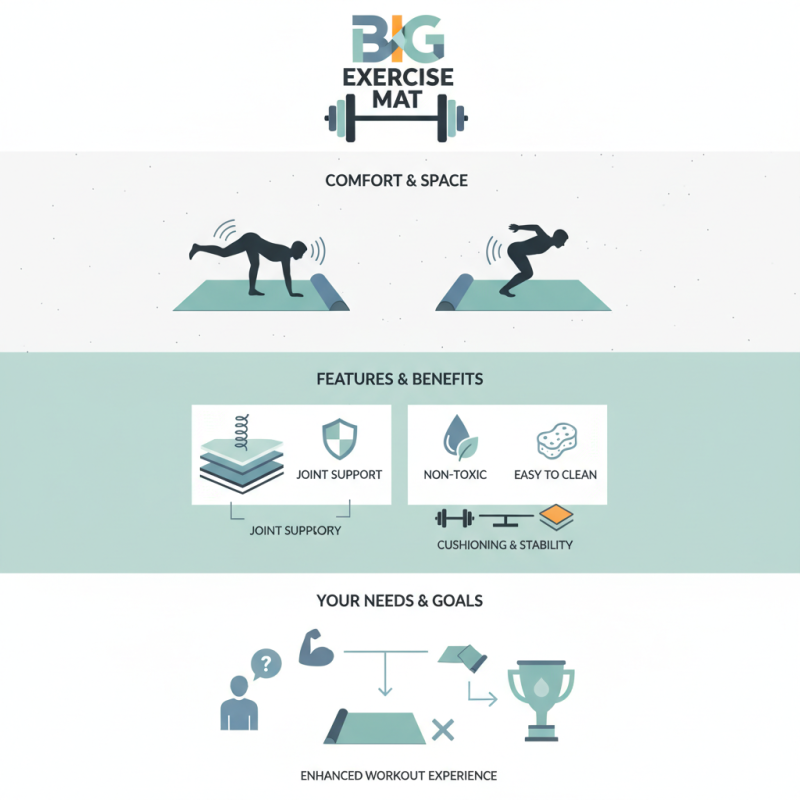
Finding the perfect Big Exercise Mat can significantly enhance your workout experience. When space and comfort are priorities, a spacious mat makes all the difference. It provides a dedicated area for various exercises, from yoga to high-intensity training. A large mat allows for freedom of movement, reducing the risk of slipping and injury.
Different users have unique needs. Some prioritize thickness for joint support. Others seek durability for heavy use. A quality Big Exercise Mat should offer a balance between cushioning and stability. Look for materials that are non-toxic and easy to clean.
In fitness, the right equipment matters. Investing in a reliable mat can encourage you to stick to your routine. However, it's easy to overlook this essential item. Sometimes, we settle for smaller or less functional options. Take time to reflect on your fitness goals. Choosing the best mat can ultimately transform your exercise experience.
What to Consider When Choosing a Big Exercise Mat for Home Workouts
Choosing the right big exercise mat is essential for an effective home workout. A large mat provides sufficient space for various exercises, accommodating movements like yoga, pilates, and strength training. According to a report from the International Health, Racquet & Sportsclub Association, around 73% of individuals working out at home expressed the need for adequate exercise space.
When selecting a mat, consider material and thickness. A thicker mat can offer more cushioning, which is vital for floor exercises. However, it might feel less stable for balance-focused activities. If you often switch between exercise types, a medium-thickness mat can strike a balance. Look for mats made from non-toxic materials to ensure safety during workouts.
Tips: Always check for surface texture. A non-slip surface provides grip, preventing slips during intense workouts. Additionally, consider the weight of the mat if you plan to store it. Some users have found that heavier mats can be a hassle to move around, causing them to avoid workouts altogether.
Another critical factor is durability. Some materials wear down quickly, creating an uneven surface. This can affect your performance and lead to injuries. Regular evaluations of your mat are essential. Reflect on how it supports your exercise routine and be ready to make changes if it no longer meets your needs.
Material Comparison: PVC vs. TPE for Durability and Comfort
When choosing a big exercise mat, material plays a crucial role. Two popular options are PVC and TPE. PVC mats are known for their durability. They are resistant to wear and tear, making them a long-term investment. According to industry reports, PVC mats can last up to five years with proper care. However, they may lack comfort. Many users find them hard on the joints, particularly during extended workouts.
On the other hand, TPE is a newer material gaining traction. It is praised for its eco-friendliness and comfort. TPE mats offer better cushioning, reducing the risk of injury during exercise. Studies indicate that TPE mats provide a softer surface that enhances performance. They are often lighter and more portable than PVC. Despite these advantages, TPE mats typically have a shorter lifespan, averaging around three years.
Both materials have pros and cons. While PVC offers durability, TPE provides comfort and eco-friendliness. It’s essential to think about your specific fitness needs and preferences when choosing a mat. Consider how often you exercise, the types of workouts you do, and your personal comfort levels.
Size Matters: Ideal Dimensions for Various Types of Exercises
When choosing an exercise mat, size is crucial. A standard yoga mat is about 68 inches long and 24 inches wide. This size works well for yoga and Pilates routines. However, activities like high-intensity interval training (HIIT) may require larger mats. A mat measuring 72 inches by 36 inches offers more space for dynamic movements.
Research indicates that a larger exercise mat can enhance workout performance. According to a report by the International Sports Sciences Association, 75% of users prefer mats with at least six feet of length. Those who use mats longer than 72 inches reported feeling more comfortable during lunges and stretches. Do consider thickness as well. A minimum of 5mm thickness is recommended for joint protection.
Certain exercises demand more surface area. For instance, floor exercises and stretching benefit from wider mats. The American Council on Exercise suggests mats that are at least 30 inches wide for strength training. This reduces the risk of slipping and helps maintain balance. However, oversized mats can also feel cumbersome. Finding the right fit may take some trial and error. Personal preferences vary, and what works for one may not work for another. Choose wisely and create a comfortable workout space.
Best Exercise Mat Sizes for Different Activities
This chart illustrates the ideal dimensions of exercise mats for various types of workouts. The bars represent the optimal width (in inches) needed based on the type of exercise performed.
Portability and Storage Solutions for Large Exercise Mats
When choosing a large exercise mat, portability and storage become key factors. A high-quality mat should be lightweight and easy to roll up. Many mats produce a carrying strap, making transport simple. Studies show that over 70% of users prioritize these features. They want convenience, especially for outdoor workouts or traveling.
Storage solutions can vary. Mats should fit in closets, under beds, or even behind doors. A mat that folds rather than rolls may be easier to store in tight spaces. According to fitness experts, mats thicker than 6mm are cumbersome. Users often struggle to find adequate spots in apartments. Thus, a design that balances thickness with ease of storage is essential.
Not all mats offer the same durability. Some materials may wear out faster than others, making long-term use challenging. A mat that becomes hard to transport or store can frustrate users. Reflect on what features matter most for your lifestyle. A mat should adapt to your needs, ensuring space efficiency and ease of movement.
Maintenance Tips for Keeping Your Exercise Mat in Top Condition
To keep your exercise mat in prime condition, regular cleaning is essential. Wipe down your mat after each use with a mild soap solution. A simple mix of water and vinegar works well for disinfection. Allow your mat to air dry completely. This prevents the accumulation of sweat and bacteria, ensuring a healthier workout environment.
Storage is another critical factor. Avoid folding your mat, as creases can weaken the material over time. Instead, roll it up loosely when not in use. This preserves its shape and prevents damage. If you notice any wear or tear, consider repairing it promptly. Ignoring these issues can lead to more significant problems down the road.
Lastly, placing your mat in a shaded area during sunny days can avoid fading and material degradation. Protecting your exercise gear ensures it lasts longer and maintains its performance. Feel free to assess how well you're maintaining your mat. The right steps can improve your workout experience and longevity of your equipment. Reflect on your habits and adapt as needed.