10 Best Backyard Playground Ideas for Fun and Safety at Home?
Creating a backyard playground can transform your outdoor space into a magical area for kids. It offers a safe environment for them to play, explore, and be active. Safety and fun go hand in hand when designing this special area.
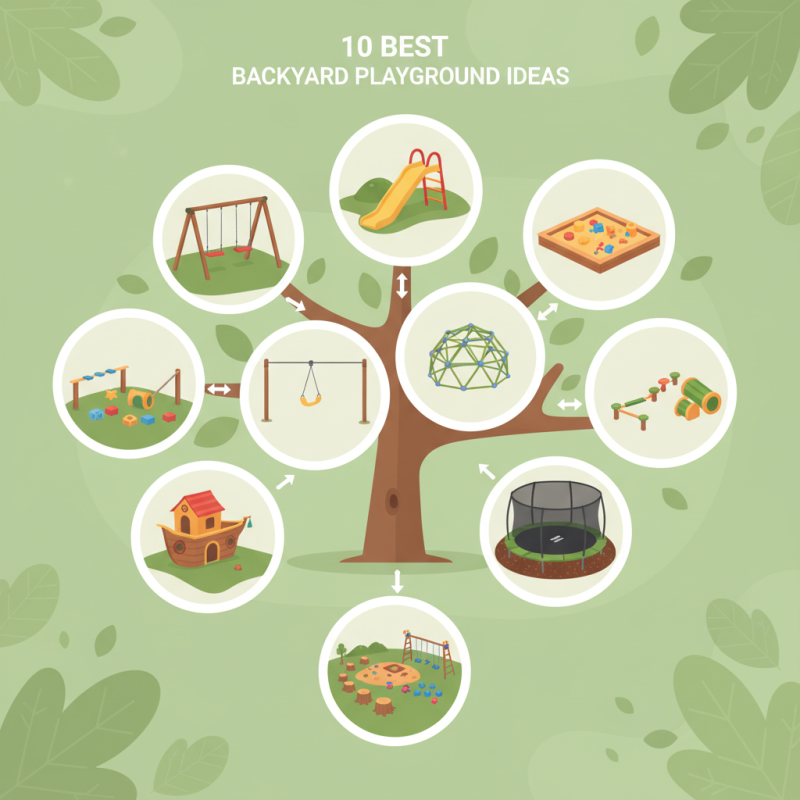
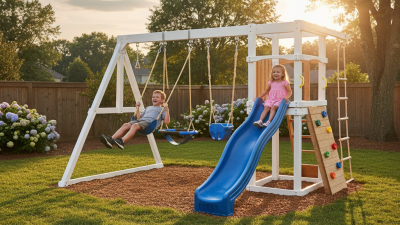
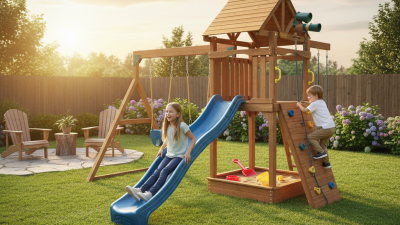
Consider various ideas that suit your yard's size and layout. A small grassy area can accommodate a slide or climbing frame. Larger yards might allow for a swing set or sandbox. Think about adding soft flooring like mulch or artificial grass to reduce injury risks. Balance creativity and safety to provide an enjoyable space.
Involving children in the design process can make it even more meaningful. Let them choose colors or themes. Remember, imperfections can lead to new adventures. Your backyard playground doesn’t have to be perfect; it just has to inspire fun. Embrace the journey of creating a delightful and safe playground for your little ones!
Creative Design Ideas for Backyard Playgrounds
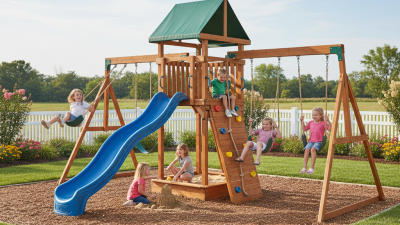
Creating a safe and fun backyard playground involves thoughtful design. According to the U.S. Consumer Product Safety Commission, over 200,000 children visit emergency rooms each year due to playground-related injuries. Incorporating safety measures can significantly reduce these incidents. Soft surfaces, like mulch or foam mats, help cushion falls. Fencing can also secure the area, providing peace of mind for parents.
When designing the playground, consider various play structures. Swings, slides, and climbing walls encourage different physical activities. It's essential to include elements that foster creativity, such as sandbox areas or water play stations. These features stimulate imagination and social interaction. Research shows that imaginative play supports cognitive development in children.
Tips: Regularly inspect equipment for wear and tear. Establish rules for safe play, which can help children understand boundaries. Involve kids in the design process. Their input can lead to a space they truly love. Create zones for different ages to ensure everyone can play safely. It’s also important to think about visibility. Parents should be able to supervise easily.
10 Best Backyard Playground Ideas for Fun and Safety at Home
Safety Features to Consider for Children’s Play Areas
Creating a safe backyard playground is essential for children's well-being. Start by choosing a flat, even surface. Grass, rubber mats, or wood chips can cushion falls. These materials help reduce injury risks. Ensure equipment is age-appropriate. Younger kids should use smaller swings and slides.
Next, consider safety features like soft barriers around play areas. Fencing can prevent unsupervised exits. It creates a boundary for children to play safely. Check for any sharp edges or protruding parts on the playground equipment. Regular maintenance is crucial. Inspect for rust or loose screws frequently.
Don’t forget about shade. A sun-protected area can prevent overheating during hot days. Encourage children to drink water frequently. Safety also includes teaching kids about responsible play behavior. They should understand how to share equipment. This helps avoid accidents and promotes cooperation. Creating a safe backyard playground is a journey, not just a setup.
10 Best Backyard Playground Ideas for Fun and Safety at Home
| Playground Idea |
Safety Features |
Age Range |
Material |
| Swingset |
Soft landing surface, safety chains |
2-12 years |
Metal and wood |
| Climbing Wall |
Non-slip grips, padded base |
4-14 years |
Wood |
| Sandbox |
Covered sand, rounded edges |
1-5 years |
Plastic or wood |
| Playhouse |
Stable structure, safe entry/exit |
2-10 years |
Wood or plastic |
| Trampoline |
Safety net, padded edges |
6-16 years |
Steel frame |
| Slide |
Gentle slope, secure base |
2-10 years |
Plastic or metal |
| Zip Line |
Secure harness, clear landing area |
8-16 years |
Steel cable |
| Balance Beam |
Low to the ground, stable base |
5-12 years |
Wood or rubber |
| Water Play Area |
Shallow depth, non-slip surfaces |
All ages (with supervision) |
Plastic |
Materials Selection for Durable and Safe Play Structures
Creating a safe and enjoyable backyard playground starts with selecting the right materials.
Wood is a popular choice for play structures. It offers a natural look and feel. However, not all wood is equal. Ensure it is treated and durable to resist rot and splinters.
Regular maintenance is essential. Check for wear and tear periodically.
Metal is another option. It provides strength and longevity. Steel playground equipment can withstand harsh weather conditions.
However, metal can heat up in the sun. It's crucial to provide shaded areas. Safety pads or mats should be considered as well. They can soften falls and prevent injuries.
Plastic is lightweight and versatile. It doesn't splinter or rust, making it easier to handle.
However, select high-density options to ensure sturdiness. With any material, safety is a concern. Inspect play structures regularly to ensure stability.
Relying solely on one material might not be wise. A blend of materials could enhance safety and visual appeal.
Incorporating Natural Elements into Playground Design
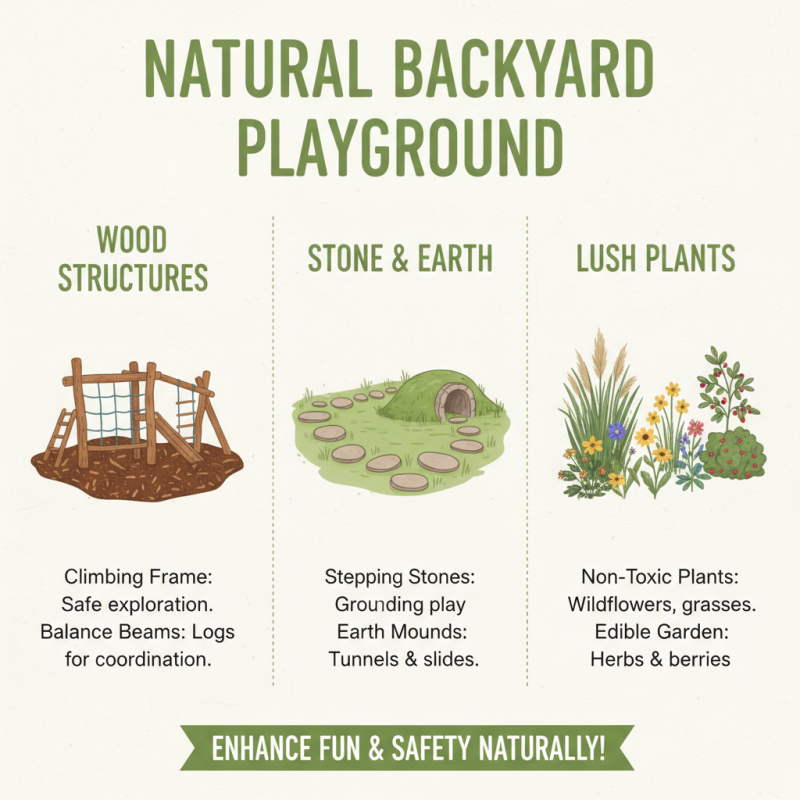
Creating a backyard playground with natural elements can enhance both fun and safety. Consider using wood, stones, and plants to build a unique play area. A simple wooden climbing structure surrounded by soft grass or mulch offers children a safe space to explore. Incorporating logs as balance beams can help kids develop coordination. Choose non-toxic plants like wildflowers or grasses to create a vibrant environment.
However, constructing a natural playground requires careful planning. Inspect the materials for safety and durability. Some wood types may splinter easily, while certain plants could be harmful. A little research goes a long way. You may also want to test the ground for uneven surfaces. Children need safe areas to run and play freely without tripping hazards. Nature can be inspiring but should be used wisely.
Installing a sandbox filled with natural sand or fine pebbles adds sensory play elements. Kids love digging and building. Surround the sandbox with shade trees or umbrellas for protection from the sun. Yet, remember that all-natural materials need maintenance. Regular checks for pests or erosion issues ensure a safe playground throughout the year. Balancing creativity with safety is essential in your design.
Fun Activities and Equipment for Engaging Backyard Playgrounds
Creating an engaging backyard playground offers endless fun. A safe space can spark creativity. Start with swings and slides that cater to different age groups. Consider adding a sandbox for tactile play. Kids love digging and building castles. A simple treehouse can also inspire adventure. It serves as a hideout and a stage for imaginative games.
Include versatile equipment. Balance beams help improve coordination. Climbing walls can provide physical challenges. Make use of natural elements like trees. They can become part of a climbing structure. However, ensure all surfaces are safe. Soft grass or mulch can cushion falls. Regularly check equipment for wear and tear. Maintenance is crucial for safety. Engage children in keeping the space tidy. It encourages responsibility.
Finally, think about incorporating quiet areas too. A small garden or reading nook can balance active play. These spaces allow for relaxation and creativity. Your backyard should be inviting but also encourage reflection. Balancing fun and safety requires attention, but it is rewarding. Every child deserves a playful yet secure environment. Creating that space can take some effort but is well worth it.